The Aperol Spritz is not a complicated drink. Three parts prosecco, two parts Aperol, one part soda water, served over ice with an orange slice. A child could make it. Yet this simple orange cocktail has achieved something remarkable: it has become visual shorthand for a certain kind of life — unhurried, sun-dappled, effortlessly European. You do not order a Spritz because you crave its bittersweet taste. You order it because you want to feel, however briefly, like someone who summers.
This is not an accident. It is the result of one of the most successful lifestyle marketing campaigns in beverage history, executed with patience and precision by Campari Group, which acquired Aperol in 2003.
The long game of orange
Aperol itself dates to 1919, created by the Barbieri brothers in Padua. For decades it remained a regional curiosity, overshadowed by its more assertive cousin Campari. The Spritz format — wine mixed with bitters and fizzy water — had existed in the Veneto since Austrian soldiers diluted local wines in the nineteenth century. But the specific combination of Aperol, prosecco, and soda was codified relatively recently, and its global spread is a twenty-first-century phenomenon.
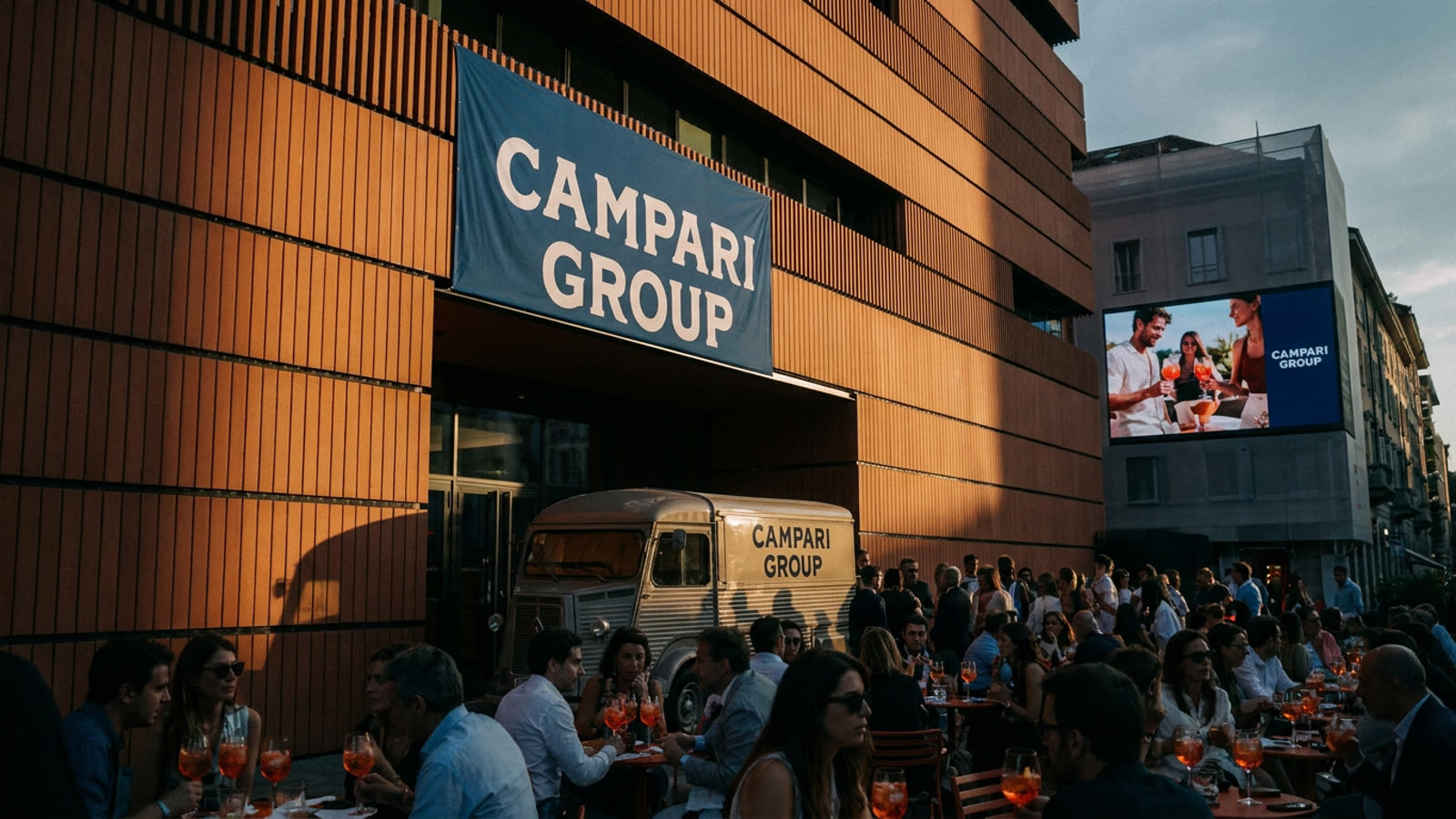
Campari's strategy was elegant. Rather than pushing the drink through traditional advertising, the company invested in what marketers call "on-premise activation" — ensuring the Spritz was served, beautifully, at the right places. Piazzas in Venice and Milan. Rooftop bars in New York and London. Beach clubs from Mykonos to Miami. The drink's vivid orange colour made it inherently photogenic, a quality that proved invaluable once Instagram transformed dining into performance.
The aesthetics of aspiration
What Campari understood, perhaps before the rest of the spirits industry, was that modern consumers do not simply purchase beverages — they purchase identities. The Aperol Spritz does not compete with other cocktails on flavour. It competes with the idea of the Negroni, the fantasy of the Martini, the mythology of Champagne. Each carries its own cultural baggage. The Spritz's baggage is particularly appealing: it suggests leisure without decadence, sophistication without snobbery, Europe without the effort of actually being European.
This positioning proved resilient even when challenged. When The New York Times published a 2019 article declaring the Spritz "not a good drink," the backlash was immediate and fierce. Readers did not defend the cocktail's taste so much as its vibe. To criticise the Spritz was to criticise a lifestyle, and lifestyles, once adopted, are defended like territories.
The paradox of popularity
Yet success creates its own complications. The Aperol Spritz is now served at chain restaurants, airport lounges, and suburban happy hours. It appears on menus from Tokyo to Toronto, often made poorly, frequently overpriced. The very ubiquity that demonstrates Campari's marketing triumph also threatens the drink's aspirational positioning. Nothing feels exclusive when everyone has it.
This is the central tension in lifestyle branding. Desirability depends on a certain scarcity, real or perceived. Once a product becomes genuinely mass-market, it risks becoming what it was designed to transcend: ordinary. Campari has attempted to manage this through premiumisation — higher-end variants, limited editions, partnerships with luxury venues — but the fundamental challenge remains.
Our take
The Aperol Spritz deserves neither the adoration nor the occasional scorn it receives. It is a perfectly pleasant, low-alcohol drink ideally suited to warm afternoons. What makes it culturally interesting is what it reveals about contemporary consumption: we are not buying drinks, we are buying feelings, and the feelings we crave most are ease, beauty, and the sense that life could be simpler than it is. Campari did not invent this longing. They simply bottled it in orange.