The arithmetic of viral justice has become grimly predictable: horrific footage surfaces, collective outrage builds, and within days a GoFundMe transforms a victim's trauma into a six-figure windfall. The latest case—a Los Angeles street vendor beaten in a caught-on-camera attack—follows the template precisely, raising over $100,000 from strangers moved by a clip they wish they'd never seen.
This is the peculiar economy of witnessed suffering in 2026.
The mechanics of crowdfunded compassion
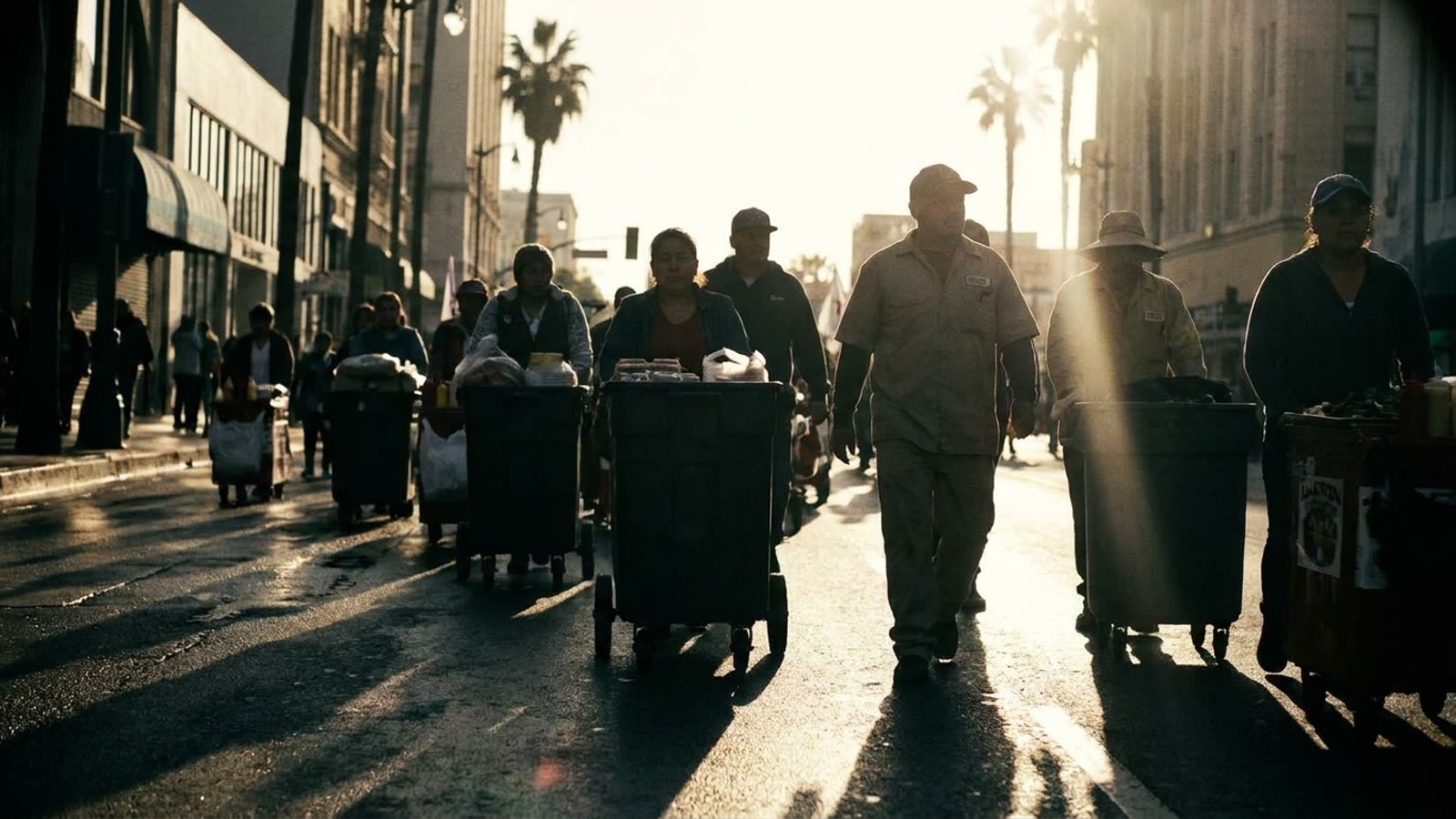
Street vending in Los Angeles occupies a legally ambiguous, economically precarious space. Vendors—predominantly immigrants selling fruit, flowers, bacon-wrapped hot dogs—operate with minimal protection and maximum exposure. When violence finds them, they rarely have recourse to traditional safety nets: employer-provided insurance, workers' compensation, paid medical leave.
The viral video filled that void with remarkable speed. Donors who will never visit the vendor's corner, never taste the food, never learn his full story nonetheless contributed amounts ranging from $5 to thousands. The campaign's success reflects both the genuine generosity of strangers and the uncomfortable reality that such generosity is lottery-dependent. Not every attacked vendor gets filmed. Not every filmed attack goes viral. Not every viral moment converts to donations.
The platform as informal welfare state
GoFundMe has become, almost accidentally, America's largest health-care and crisis-response platform. The company facilitates billions in transfers annually, much of it covering gaps that formal institutions leave unfilled. For undocumented workers, those in cash economies, or anyone lacking insurance, the platform offers a path—however capricious—to financial recovery.
The L.A. vendor's windfall will likely cover medical bills, lost income during recovery, and perhaps provide a cushion against future precarity. It will not, however, address the systemic vulnerabilities that made the fundraiser necessary. The next vendor attacked on the next corner will need their own viral moment, their own algorithmic luck.
Our take
There is something both beautiful and deeply broken about a system where strangers' generosity can materialize $100,000 in days for one victim while identical victims remain invisible. The donors deserve credit for their compassion. The platform deserves credit for the infrastructure. But the very success of these campaigns indicts the formal systems—municipal, state, federal—that should render them unnecessary. We've privatized crisis response and called it community.