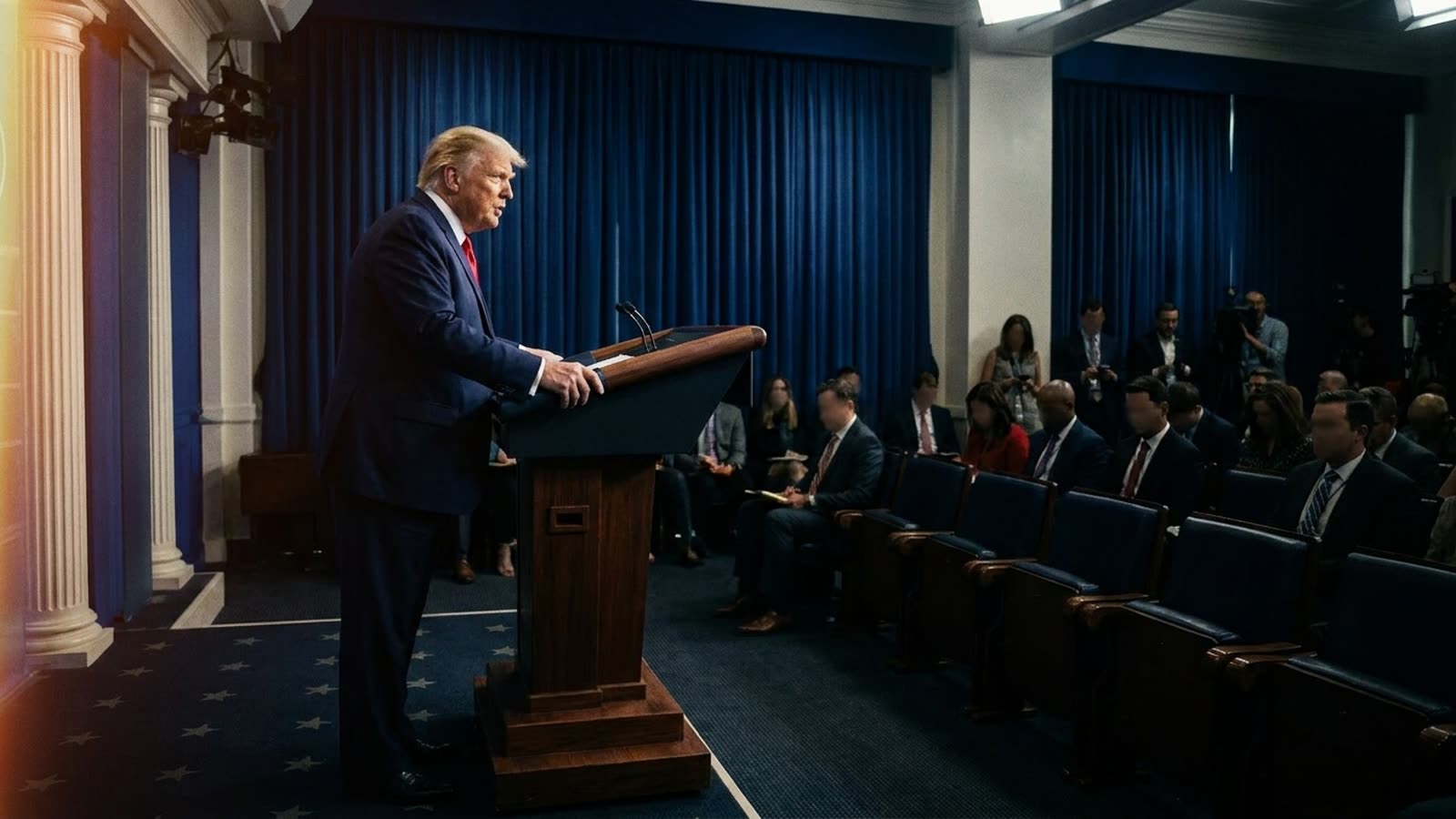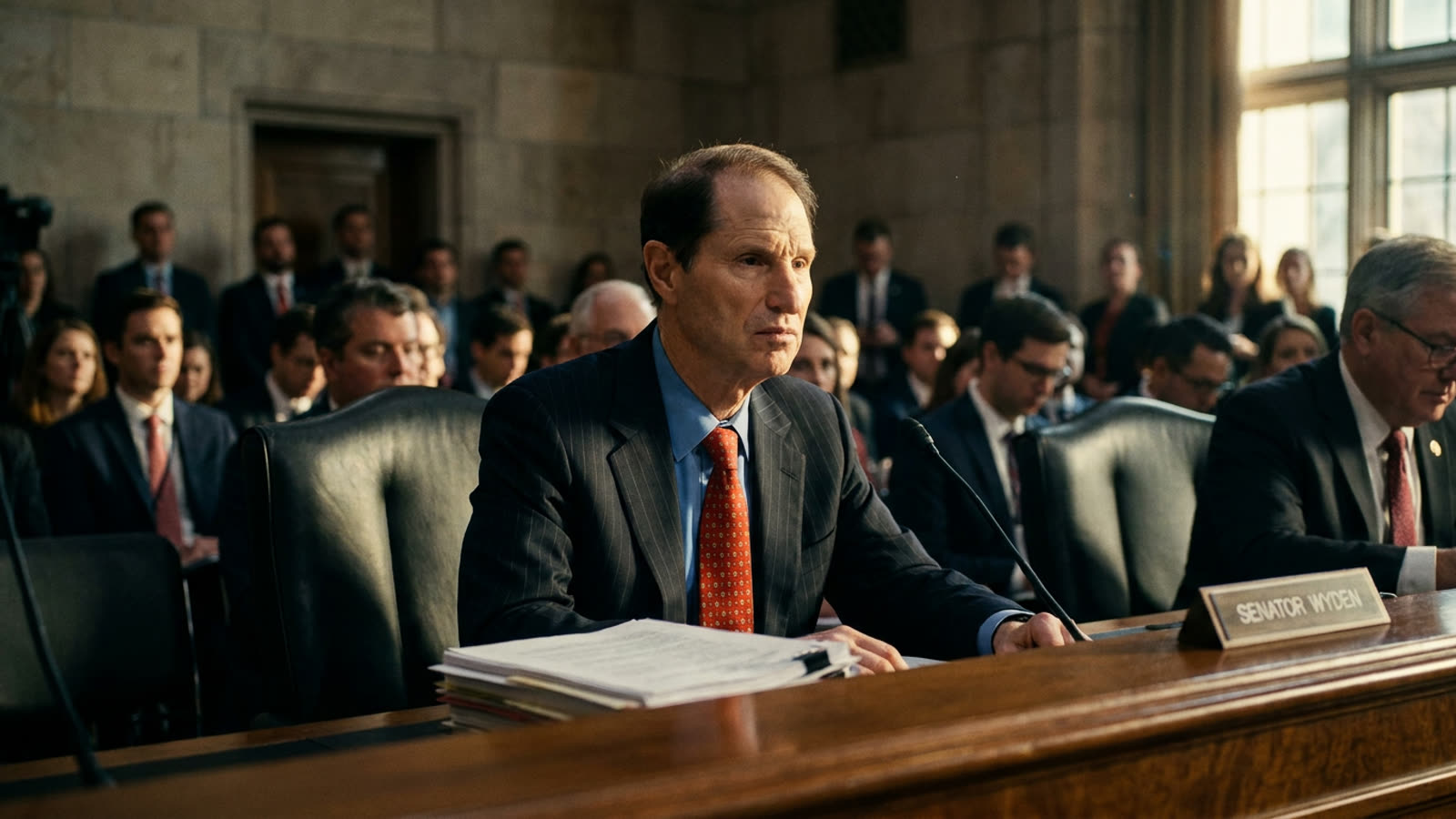
The White House has declined to release President Trump's routine medical examination results, breaking with a tradition that, however imperfectly observed, has governed presidential health transparency since the Reagan era.
The decision itself is not illegal. No law compels a sitting president to disclose the findings of his annual physical. But the refusal—offered without substantive explanation—represents something more consequential than a single withheld document. It is the latest marker in an administration that has systematically tested which norms can be abandoned without political cost.
The precedent and its limits
Presidential medical disclosures have always been exercises in managed information. Reagan's team initially downplayed the severity of his 1981 gunshot wound. Clinton's physicals were models of selective detail. Even the relatively transparent Obama-era releases were curated documents, not raw medical files. The tradition was never about full disclosure; it was about maintaining the fiction that the public has some claim on knowing whether its chief executive is physically capable of the job.
That fiction served a purpose. It created a baseline expectation that presidents would at least gesture toward accountability on matters of personal fitness. Trump's first-term physician, Ronny Jackson, famously declared the then-president's health "excellent" in terms so effusive they strained credulity. But even that performance acknowledged the norm. The current silence does not.
Why now, and why it matters
The timing invites speculation. Trump, at 79, is the oldest person to serve a second presidential term. His public schedule has been lighter than in his first administration, though the White House attributes this to a deliberate focus on "high-impact" events rather than any physical limitation. Without medical documentation, these explanations exist in an evidentiary vacuum.
More broadly, the refusal fits a pattern. This administration has declined to release visitor logs, restricted press briefing access, and treated routine oversight requests as adversarial intrusions. Each individual decision can be defended on narrow grounds—executive privilege, security concerns, operational efficiency. Collectively, they describe an executive branch that views transparency as a vulnerability rather than an obligation.
Our take
The medical report itself probably contains nothing dramatic—most presidential physicals are reassuringly boring documents. But the willingness to withhold it reveals an administration confident that the political cost of secrecy is now lower than the cost of disclosure. That calculation may be correct. It is also corrosive. Democratic accountability depends on shared expectations about what information the public deserves. Each abandoned norm makes the next abandonment easier. The report matters less than what its absence teaches future presidents about what they can get away with.