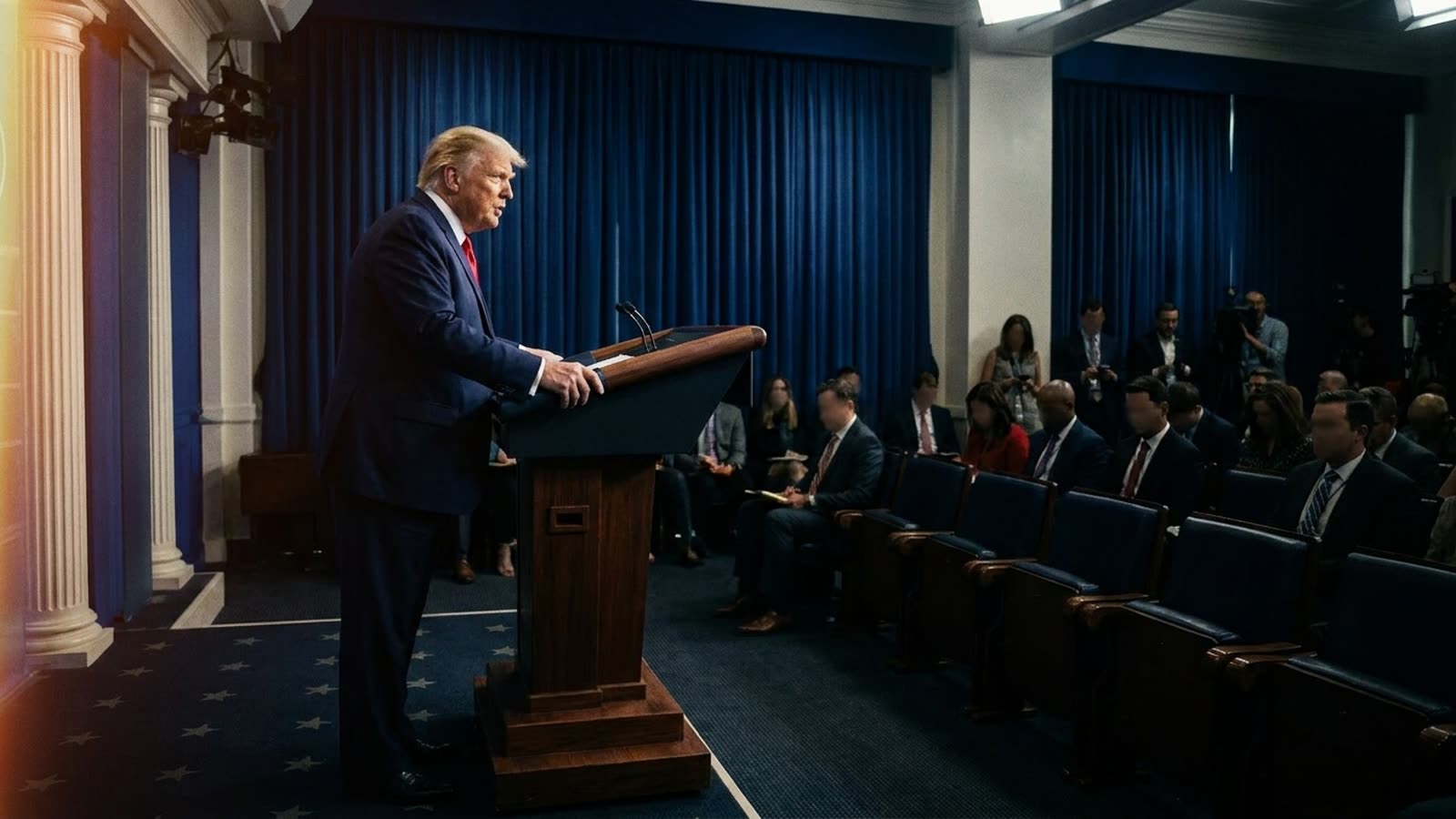
Five months into his second term, Donald Trump has spent more time discussing construction projects than any domestic policy initiative. The pattern is not accidental—it is the clearest window into how this administration understands power.
The president's building agenda spans federal architecture, White House grounds improvements, and monument proposals that would reshape Washington's physical landscape. Where other executives delegate such matters to the General Services Administration, Trump treats them as personal projects requiring his direct involvement, complete with sketch reviews and material specifications.
The developer's theory of governance
Trump's construction fixation predates politics. His pre-presidential identity was built on towers bearing his name, and the instinct to leave physical marks on the landscape has simply migrated from Manhattan to the federal government. The difference is that taxpayers now fund the vision.
This approach inverts the traditional relationship between policy and aesthetics. Most presidents treat the built environment as downstream of governance—you pass laws, fund programs, and occasionally dedicate a building. Trump treats construction as governance itself, a tangible demonstration of will that requires no congressional approval and produces results visible from the street.
The strategy has a certain logic. Buildings outlast administrations. A Trump-commissioned monument will stand long after any executive order has been reversed. For a president who has spent decades obsessing over his legacy, the appeal is obvious.
What gets built, what gets ignored
The construction agenda also reveals priorities through omission. Infrastructure legislation remains stalled, with the administration showing little appetite for the grinding legislative work required to fund bridges and broadband. Housing policy has been largely delegated to states. The building projects that command presidential attention are those that enhance federal grandeur or bear some connection to the Trump brand—not those that might improve ordinary Americans' daily lives.
Critics argue this represents a fundamental misunderstanding of the presidency. The job is not to be developer-in-chief, selecting marble finishes and approving blueprints. It is to manage a vast bureaucracy, navigate foreign crises, and work with Congress on legislation. The construction obsession, in this view, is a distraction from the difficult work of governing.
Our take
The critics miss the point. Trump is not distracted by construction—he is telling us exactly what he thinks the presidency is for. The role, as he understands it, is to impose a vision on physical reality, to leave behind monuments that will stand as proof of power exercised. Whether this serves the public interest is almost beside the point. The imperial impulse is the governing philosophy, not a deviation from it. Future historians studying this administration will find the answer not in policy papers but in stone and steel.