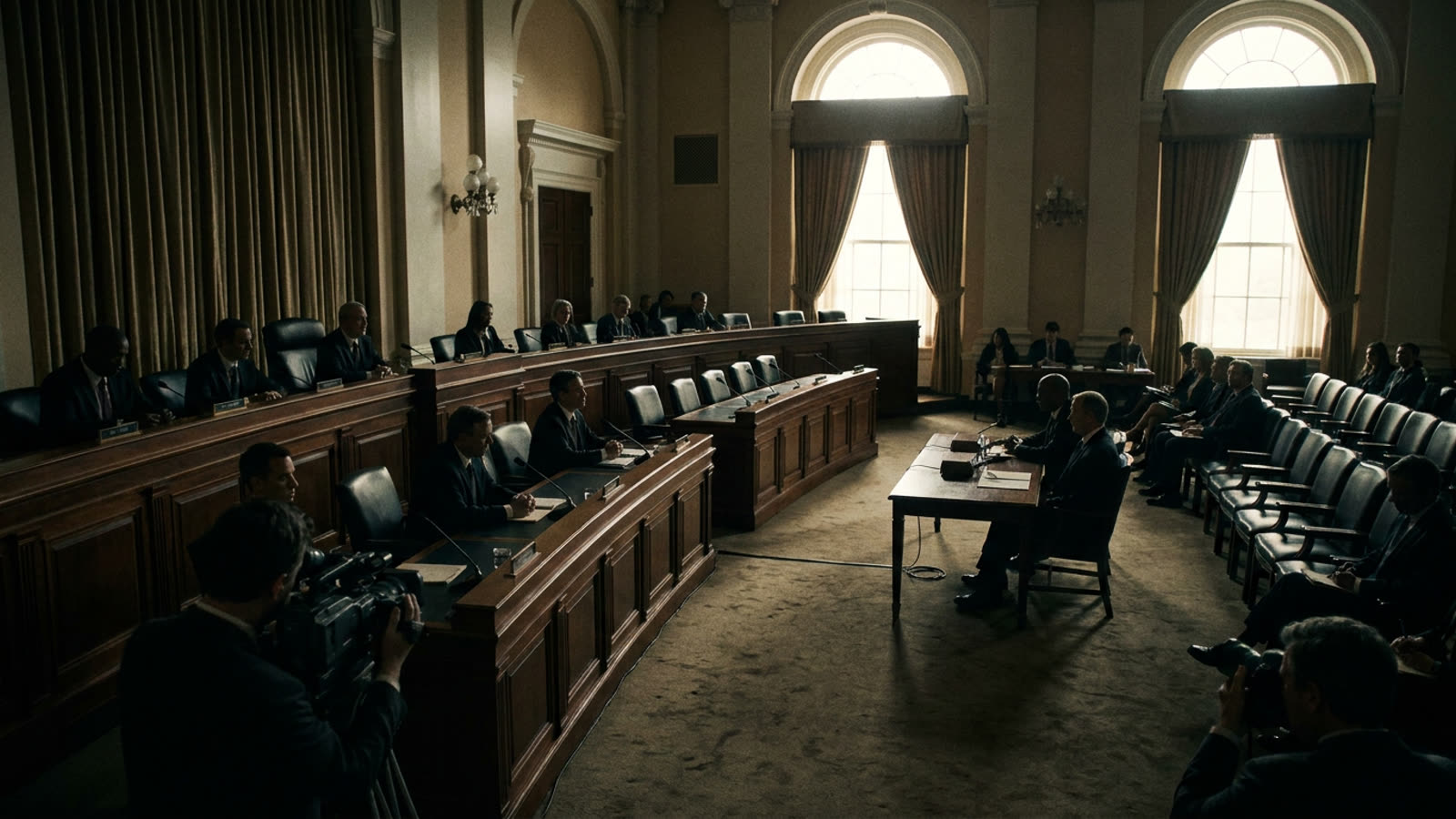
The most powerful force in American lawmaking is not the presidency, not the Supreme Court, and not even the majority party in Congress. It is a parliamentary procedure that appears nowhere in the Constitution and was created essentially by accident in 1806 when the Senate, tidying up its rulebook, deleted a motion that had allowed simple-majority cutoffs of debate. For two centuries since, the filibuster has evolved from a rarely used weapon of last resort into the default operating system of the upper chamber—one that effectively requires sixty votes to accomplish anything of consequence.
This is not how most Americans imagine their government works. Civics textbooks describe a bill becoming law through majority votes in both houses and a presidential signature. The filibuster rewrites that lesson. Today, any senator can signal an intention to filibuster, and unless sixty colleagues vote for "cloture" to end debate, the legislation dies without ever reaching a final vote. The talking filibuster of old—senators reading phone books through the night—has largely vanished, replaced by a silent, procedural veto that requires no dramatic floor speeches.
How sixty became the magic number
The cloture rule, adopted in 1917 after isolationist senators blocked Woodrow Wilson's effort to arm merchant ships, originally required a two-thirds supermajority to end debate. In 1975, the threshold dropped to three-fifths—sixty senators—where it has remained. That number now functions as a de facto requirement for passing ordinary legislation, though budget-related bills can bypass it through a process called reconciliation. The result is a two-track Senate: one lane for fiscal matters that can move with fifty-one votes, another for everything else that demands a near-supermajority.
Critics argue this arithmetic has calcified American governance. Immigration reform, voting rights legislation, police accountability measures, and climate policy have all cleared the House in recent decades only to stall in the Senate, unable to reach sixty. Defenders counter that the filibuster forces compromise and protects minority viewpoints from majoritarian steamrolling—precisely the cooling-saucer function the founders envisioned for the Senate, even if they never designed this particular mechanism.
The racial history no one forgets
The filibuster's legacy is inseparable from civil rights. Southern senators used it for decades to block anti-lynching bills, voting rights protections, and desegregation measures. The Civil Rights Act of 1964 required a grueling 60-day filibuster and bipartisan coalition to overcome. That history shadows every modern debate about the rule. Proponents of abolition argue the filibuster remains a structural barrier to racial equity; defenders insist the tool itself is neutral, its misuse a matter of the senators who wielded it.
Why neither party kills it
Despite periodic outrage, the filibuster endures because both parties value it when they are in the minority. Democrats preserved it when they controlled the Senate in the early Obama years; Republicans kept it intact during the Trump administration's first two years. Each side calculates that the protection it offers out of power outweighs the obstruction it causes in power. The result is a procedural stalemate about the stalemate itself.
Our take
The filibuster is neither sacred nor evil. It is a rule, invented by humans, that can be changed by humans—specifically, by a simple majority of senators willing to alter chamber precedent. That it persists reflects not constitutional wisdom but political cowardice: neither party wants to be blamed for the consequences of majority rule, so both hide behind a procedure that lets them avoid hard votes. Understanding this clarifies American politics immensely. When legislation fails in the Senate, the question is rarely whether a majority supports it. The question is whether sixty senators do—and in a polarized era, the answer is almost always no.