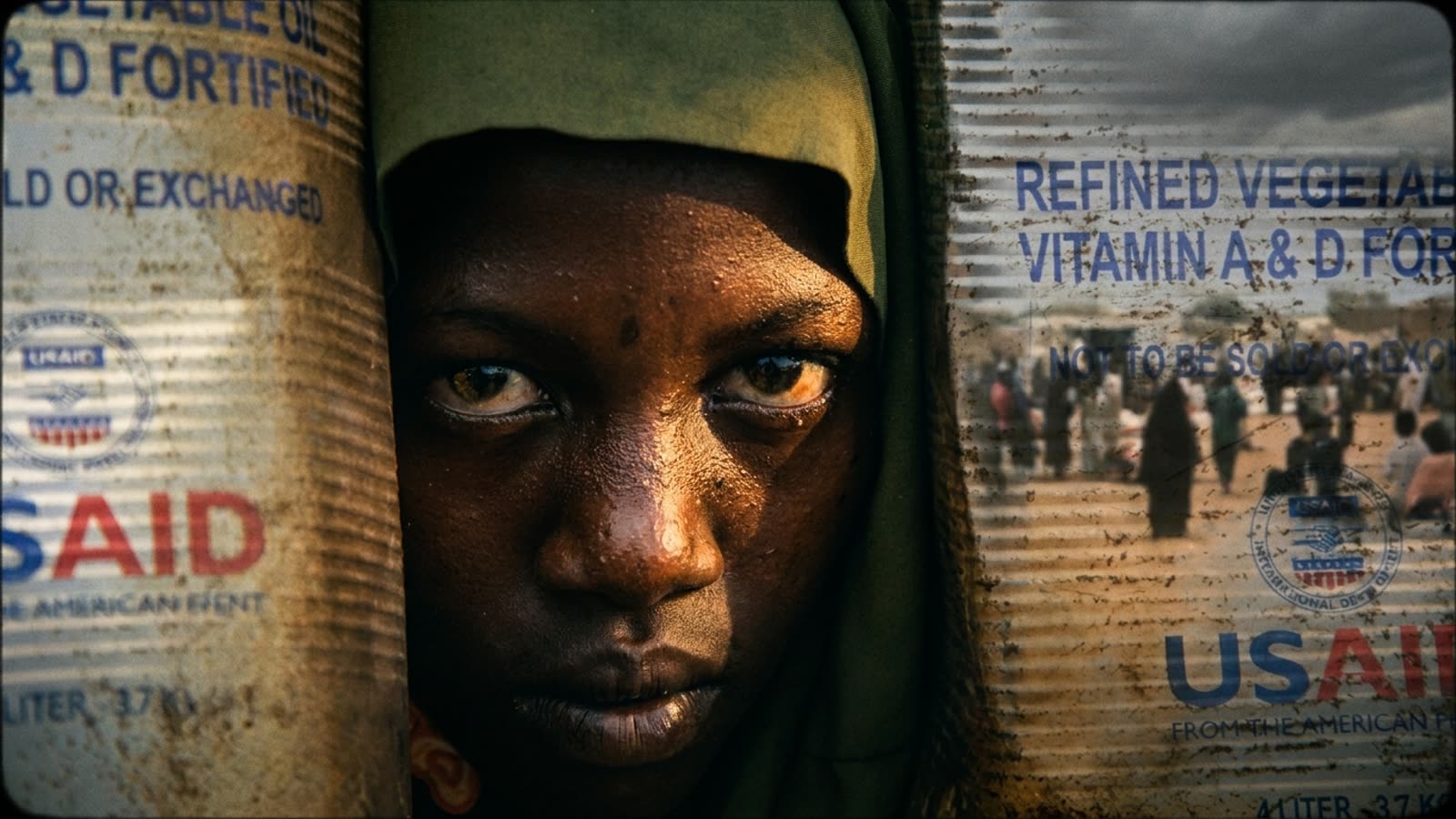
The United States spent seven decades building the most extensive foreign aid network on earth, and it is now tearing it apart with bureaucratic efficiency. Former USAID administrators are sounding alarms that the current round of federal cuts—deeper and faster than any in the agency's history—is not merely trimming fat but severing arteries.
The timing could hardly be worse. Global displacement has reached record levels. Climate-driven food insecurity is accelerating across the Sahel, the Horn of Africa, and Central America. And the institutional knowledge required to respond to these cascading crises is walking out the door with every voluntary separation package and hiring freeze.
The mechanics of retrenchment
What distinguishes this moment from previous belt-tightening episodes is the structural nature of the cuts. USAID's workforce reduction isn't targeting specific programs or geographies—it's hollowing out core operational capacity. Country directors with decades of regional expertise are being offered buyouts. Procurement specialists who know how to move food aid through corrupt port authorities are retiring without replacements. The agency's institutional memory is being liquidated at fire-sale prices.
The downstream effects are already visible. Response times for emergency declarations have lengthened. Implementing partners report delays in contract renewals that force them to furlough local staff. In several African nations, American-funded health clinics have reduced hours or closed entirely, not because Congress defunded them but because nobody remains at headquarters to process the paperwork.
The geopolitical vacuum
China has been waiting for precisely this moment. Beijing's Belt and Road Initiative has always positioned itself as an alternative to Western development finance, but it struggled to compete with USAID's on-the-ground presence and technical expertise. That competitive advantage is evaporating. Chinese state media has already begun highlighting American withdrawal from humanitarian commitments, framing it as evidence of democratic decline.
The strategic implications extend beyond soft power. USAID programs have historically provided early warning of political instability, refugee flows, and pandemic outbreaks. Degrading that sensor network means Washington will learn about the next crisis later and respond to it slower—assuming it responds at all.
Our take
Foreign aid has never been popular with American voters, which makes it perpetually vulnerable to budget hawks seeking easy cuts. But the current retrenchment isn't fiscal discipline—it's strategic self-harm. The United States built USAID not out of charity but because a stable, fed, healthy developing world is cheaper than the alternatives: mass migration, regional wars, and pandemic incubators. Dismantling that infrastructure saves pennies today and will cost billions tomorrow. The accountants currently running this liquidation sale should be required to price in the cleanup.