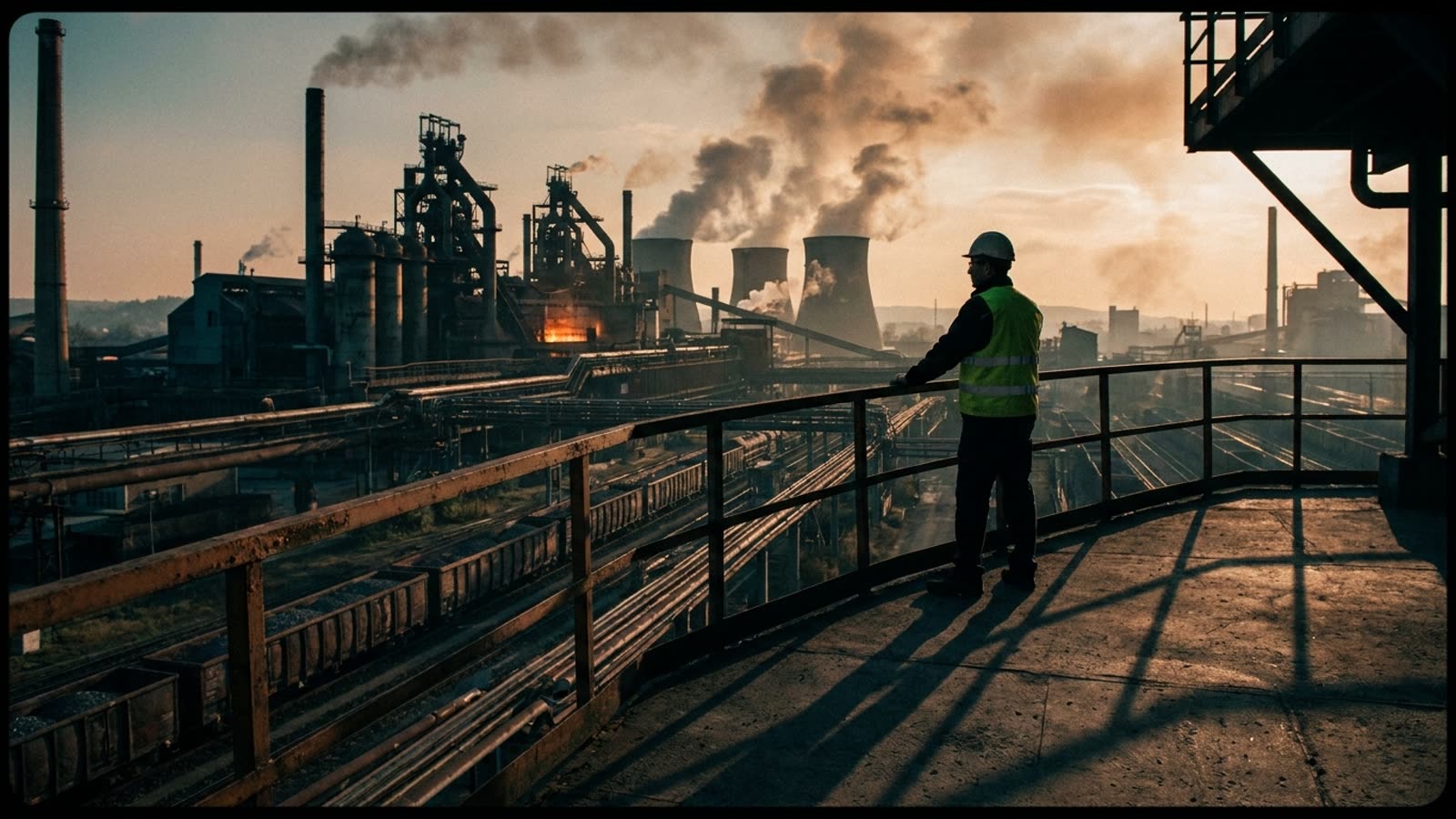
The oil market's brief period of calm is over. Brent crude jumped above $87 per barrel in early June trading, its highest level since late 2024, as escalating tensions across the Middle East reminded investors that the world's most important commodity corridor remains one miscalculation away from chaos.
The immediate catalyst is familiar: saber-rattling in the Gulf, shipping lane jitters, and the perpetual question of whether regional conflict will finally spill into supply disruption. But the timing compounds the problem. American drivers are hitting highways in record numbers for the summer season, European demand is ticking upward, and Asian refiners are restocking after a tepid spring. Demand fundamentals alone would support higher prices. Add geopolitical risk premium, and the math turns uncomfortable.
The inflation ghost returns
Central bankers spent 2025 congratulating themselves on threading the needle—bringing inflation back toward target without triggering recession. Energy prices were their quiet ally, drifting sideways while services inflation slowly cooled. That tailwind may now reverse.
A sustained move above $90 per barrel would feed directly into transportation costs, then into goods prices, then into headline CPI readings that policymakers cannot ignore. The Federal Reserve has signaled patience on rate cuts; a summer oil shock would transform patience into paralysis. The European Central Bank faces a similar bind, with the eurozone's energy-intensive industrial base particularly exposed to crude volatility.
Supply cushions look thin
OPEC+ has maintained production discipline, keeping barrels off the market to defend prices. That strategy worked when demand was soft. Now it leaves minimal spare capacity to absorb any genuine disruption. Saudi Arabia could theoretically pump more; whether Riyadh would sacrifice price stability to bail out Western consumers is another question entirely.
U.S. shale producers, meanwhile, have shown little appetite for the drill-baby-drill exuberance of previous cycles. Capital discipline, investor pressure, and permitting headaches have kept American output growth modest. The strategic petroleum reserve, drawn down aggressively in 2022, has only partially refilled. The buffer is thinner than it looks.
Our take
Oil at $87 is not a crisis. Oil at $100-plus, sustained through summer, would be. The market is pricing probability, not certainty—but the probability distribution has shifted meaningfully toward outcomes that make the Fed's job harder and consumers' summers more expensive. The world remains structurally underinvested in the hydrocarbons it still depends on, and every geopolitical flare-up exposes that gap. Enjoy the road trip. Budget accordingly.