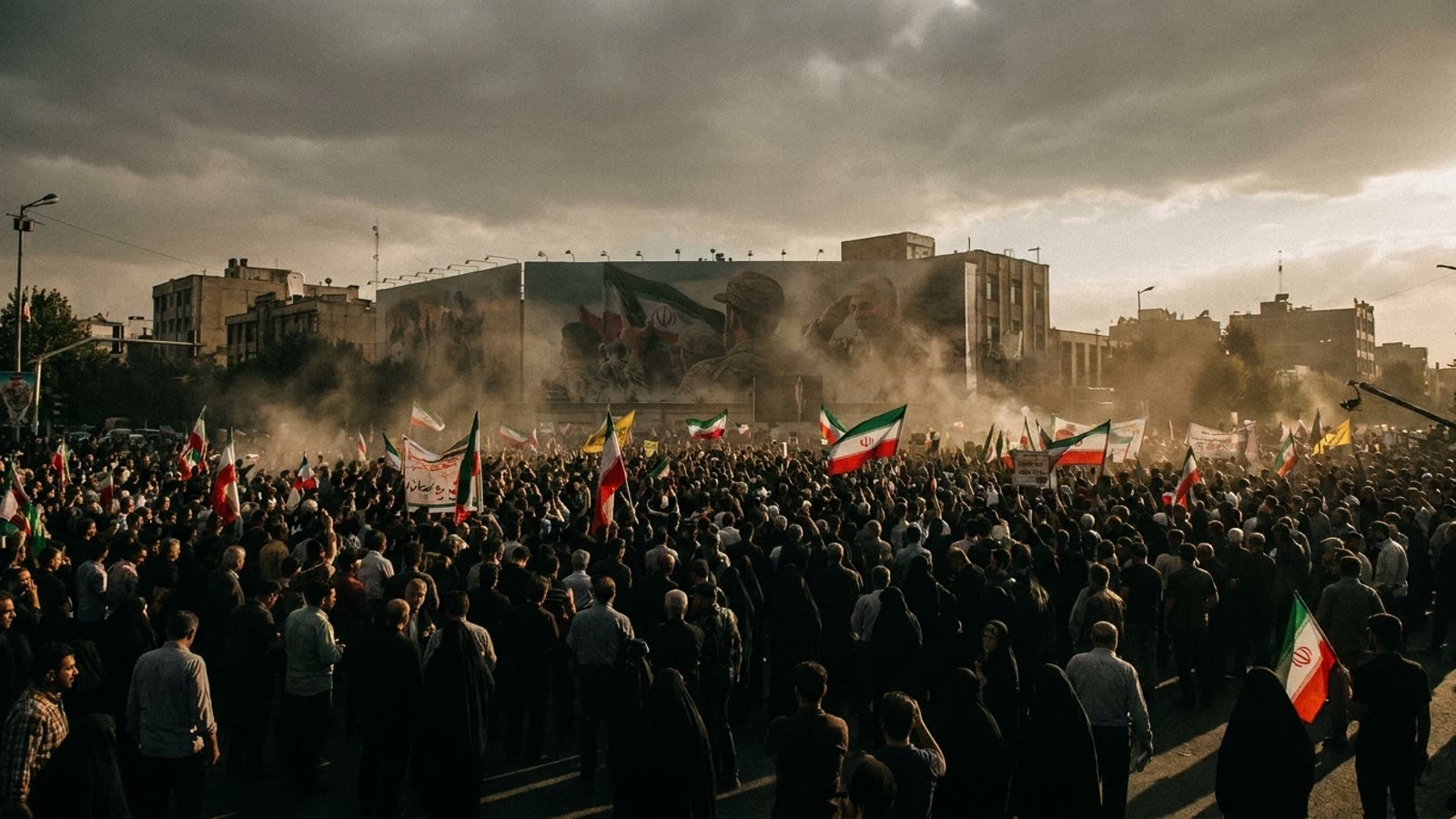
Whatever optimism attended last week's ceasefire announcement has now been incinerated alongside the military targets both sides claim to have hit in the past 48 hours. The United States confirmed overnight strikes on Iranian-linked militia positions in Iraq and Syria; Iran responded with ballistic-missile salvos at what it described as "terrorist staging grounds" near the Iraqi-Kurdish border. Neither government has formally declared the ceasefire dead, but neither is pretending it is alive.
The collapse was predictable to anyone who read the original terms, which amounted to a mutual agreement to stop shooting long enough to count the bodies. No mechanism for verification, no neutral observers, no pathway to a broader political settlement. It was less a ceasefire than a press release dressed in diplomatic language.
Why the truce was always a fiction
Ceasefires require either exhaustion or external enforcement. Neither condition applied here. Iran's proxies remain well-supplied and ideologically motivated; the Pentagon's regional posture has only grown more aggressive under the current administration. The agreement papered over irreconcilable objectives: Washington wants to degrade Iranian influence without a full-scale war; Tehran wants to demonstrate that American power has limits without inviting regime-threatening retaliation. Both sides got what they wanted for about six days—a talking point and a breather—before resuming the underlying contest.
The regional math gets uglier
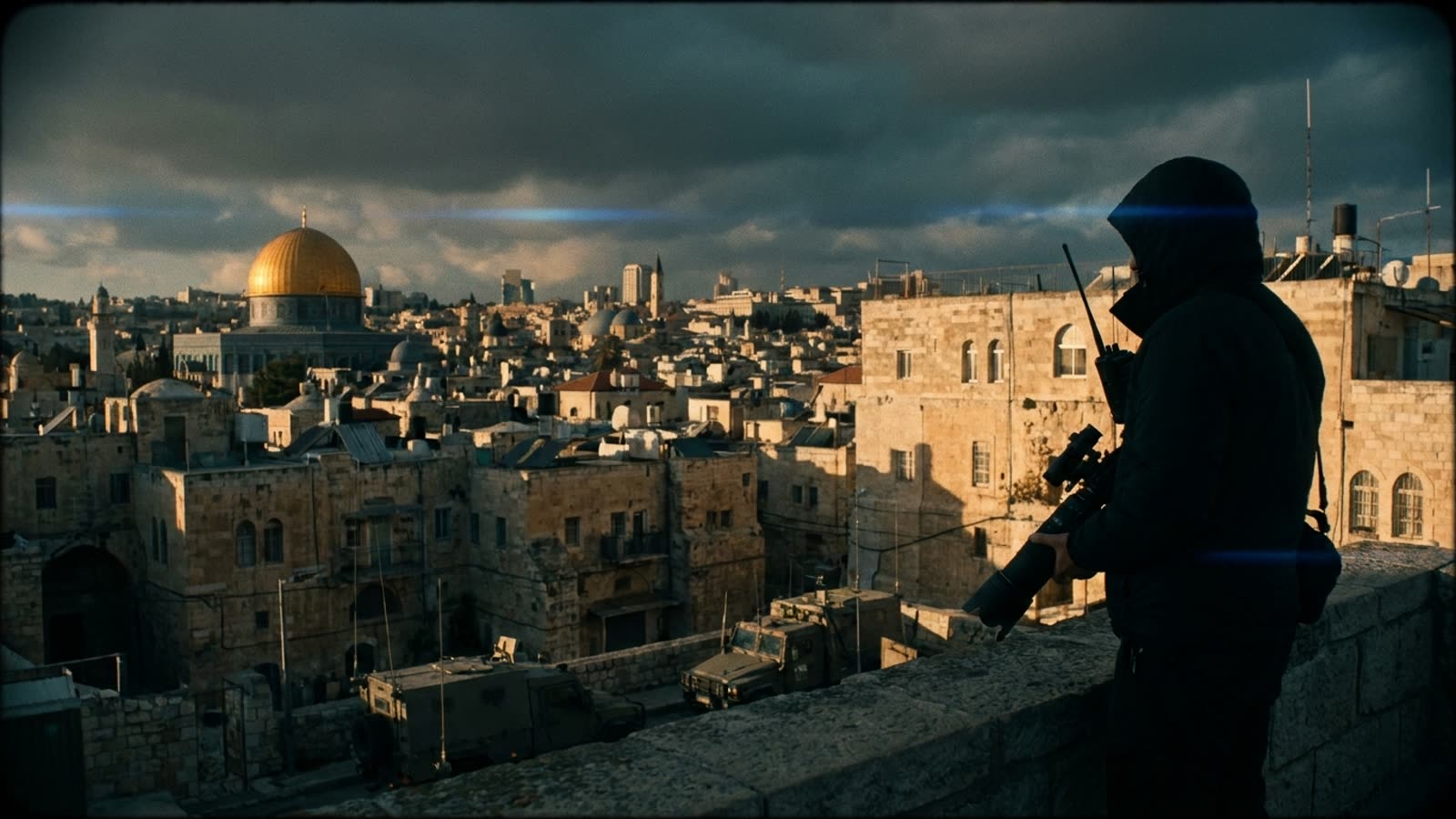
Israel's ongoing operations in Lebanon have further destabilized the equation. Hezbollah, once reeling, has found renewed purpose as a defender against Israeli incursions, complicating any American attempt to isolate Iran diplomatically. Gulf states, meanwhile, are hedging furiously, reluctant to be caught on the wrong side of a conflict whose trajectory remains unknowable. The Saudis have gone conspicuously quiet; the Emiratis are back-channeling to everyone.
What Trump's options actually are
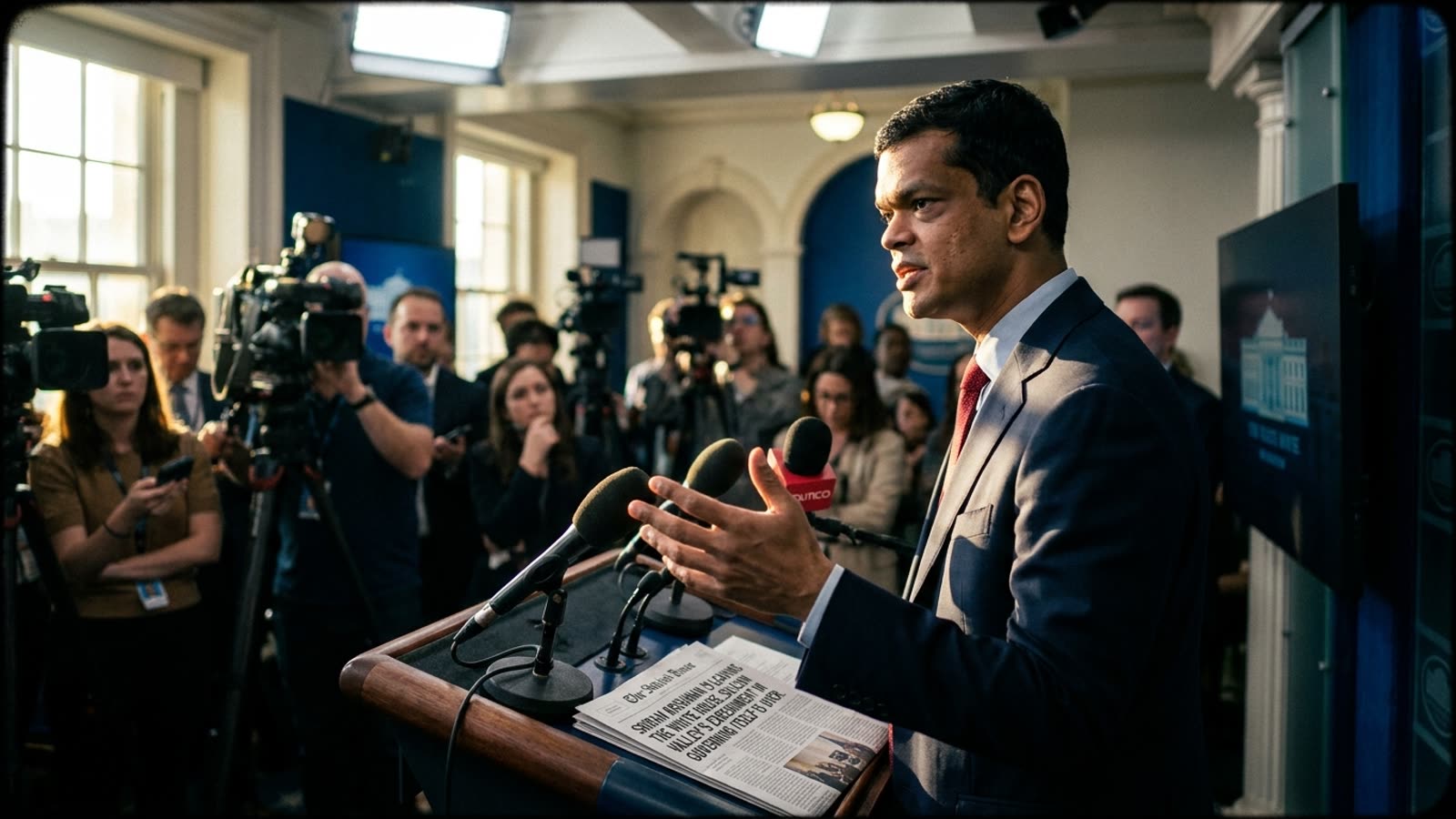
The administration faces a menu of bad choices. Escalation risks a war that no one in Washington's national-security establishment believes is winnable at acceptable cost. De-escalation looks like weakness ahead of midterm elections already shadowed by intra-party dissent. The middle path—calibrated strikes designed to "send a message"—is precisely what got us here. Messages, it turns out, are only useful if the recipient reads them the way you intended.
Our take
This ceasefire was never a solution; it was a timeout. The underlying conflict between American hegemony and Iranian regional ambition has no diplomatic off-ramp that either side is willing to take. Until one of them decides that the cost of continued confrontation exceeds the cost of genuine compromise, expect more of the same: periodic truces, periodic strikes, and periodic declarations that the other side started it. The only certainty is that the people living in the crossfire will keep paying the price.