The president who built his rural coalition on promises of agricultural revival returned to Wisconsin this week to find the same farmers who cheered him in 2024 now quietly calculating whether they can survive another season. Fuel prices have climbed past four dollars a gallon in much of the Midwest, and the tariff regime Trump reinstated upon taking office has once again scrambled export relationships that took years to rebuild after the first trade war.
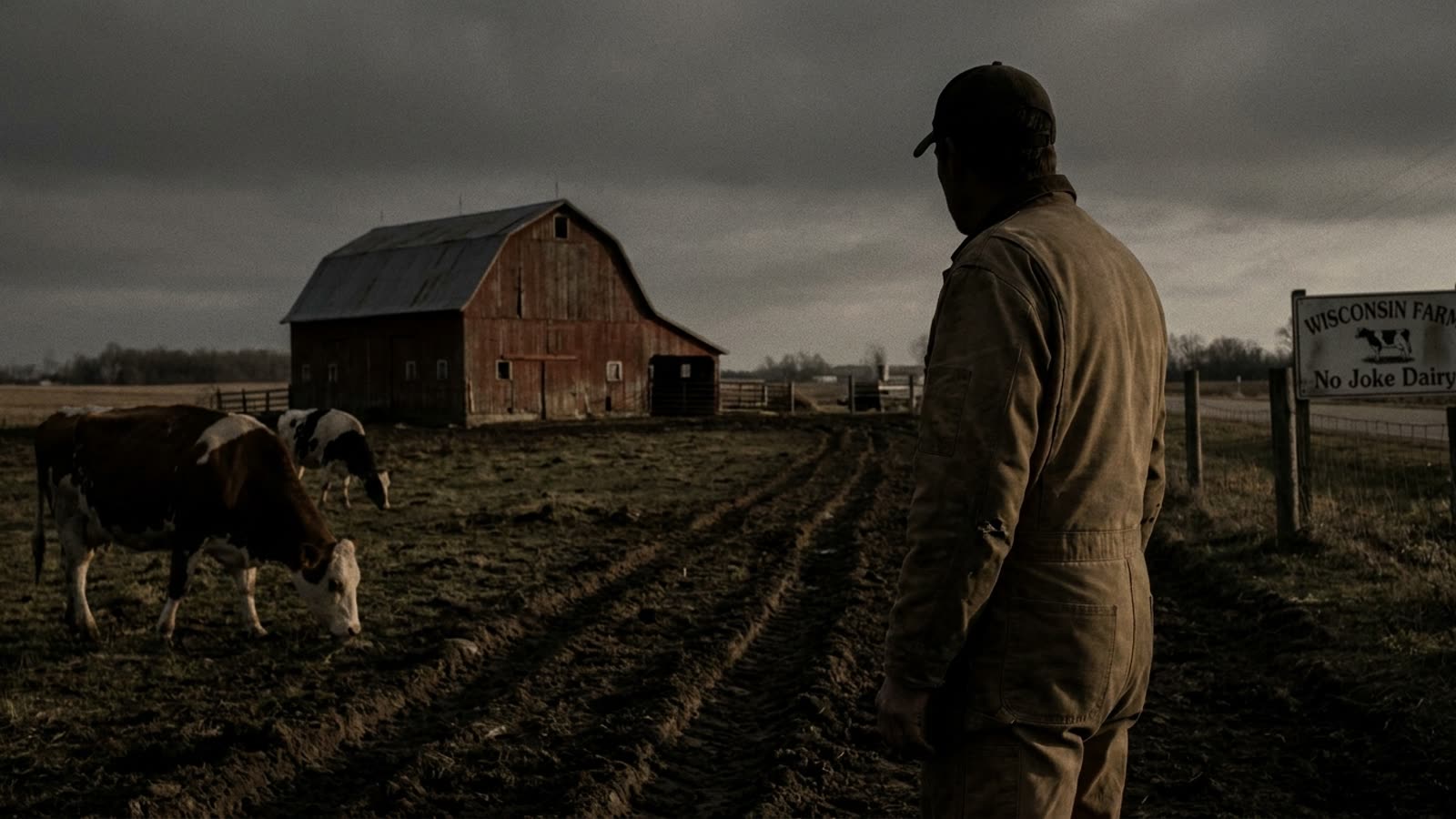
The visit was pure political theater—handshakes at a dairy operation in Eau Claire County, sympathetic nods about input costs, vague assurances that relief is coming. What it lacked was any indication that the administration plans to modify the very policies causing the distress.
The tariff hangover that never ended
Wisconsin's agricultural sector never fully recovered from the 2018-2019 trade war with China. Soybean farmers lost market share to Brazilian competitors; dairy operations watched cheese exports to Mexico wobble under USMCA renegotiation uncertainty. When Trump returned to office and immediately reimposed steel and aluminum tariffs—triggering predictable retaliation from trading partners—the agricultural community experienced something between déjà vu and despair.
The difference this time is fuel. Diesel prices, driven by a combination of refinery constraints and the administration's own energy export policies, have added roughly eighteen percent to operating costs for the average Wisconsin farm since January. Fertilizer, still priced off natural gas, has followed a similar trajectory. The farmers Trump visited are being squeezed from both ends: higher costs at home, fewer buyers abroad.
Why they still showed up
The striking feature of Trump's Wisconsin swing was not the policy vacuum but the crowd. Despite tangible economic pain directly attributable to administration decisions, the reception was friendly, even enthusiastic. This reflects a political reality that confounds coastal observers: rural voters often distinguish between the president they support and the policies that hurt them, attributing the latter to forces beyond any single leader's control.
It also reflects a lack of alternatives. Democratic messaging on agriculture has been thin, focused more on climate-adjacent programs that many farmers view with suspicion than on bread-and-butter issues like export access and input costs. When the only politician who shows up is the one causing your problems, you shake his hand anyway.
Our take
There is something almost admirable about the cognitive flexibility required to cheer the architect of your financial distress. But admiration has limits. Trump's Wisconsin visit was a masterclass in retail politics and a complete failure of governance. The farmers who greeted him deserve more than sympathy—they deserve a coherent trade policy that doesn't treat their livelihoods as collateral damage in a broader ideological project. Until that arrives, these visits are just expensive photo opportunities for everyone involved.