The most consequential military innovation of the 2020s is not a stealth fighter or a hypersonic missile—it is a swarm of cheap, expendable machines that have turned the Ukrainian battlefield into a laboratory for the future of war.
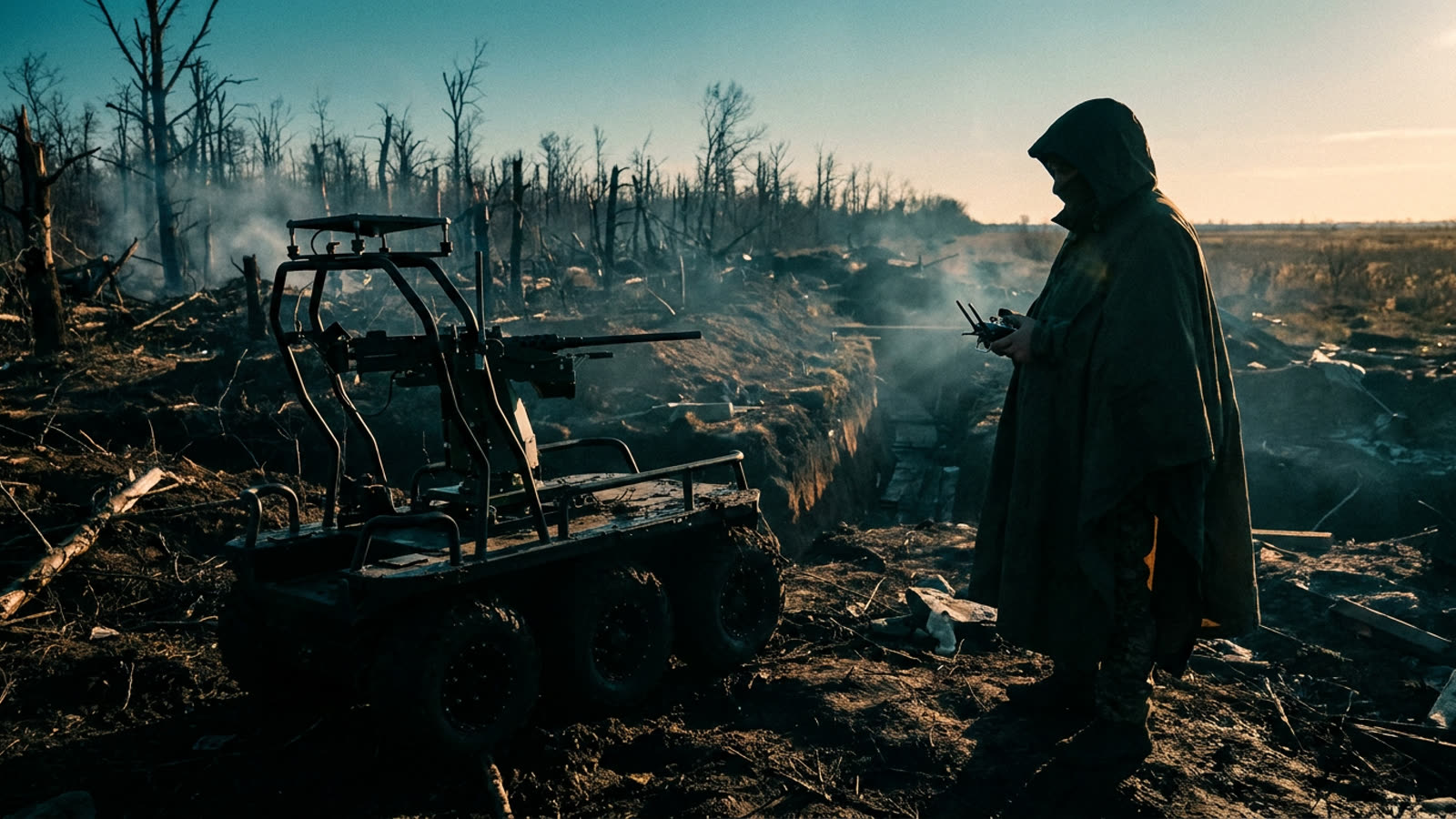
More than two years into the grinding conflict, Ukraine has deployed autonomous and semi-autonomous systems at a scale no military has attempted before. Ground robots clear minefields and evacuate wounded soldiers. First-person-view drones hunt tanks with the persistence of insects. AI-assisted targeting systems identify and track Russian armor faster than any human crew. The cumulative effect has been to impose costs on Russian forces that their numerical advantage cannot easily absorb.
The economics of attrition
The logic is brutally simple. A Ukrainian ground drone costs a few thousand dollars; destroying it requires ammunition worth far more, or the attention of soldiers who could be doing something else. Multiply this asymmetry across thousands of engagements and the arithmetic starts to favor the defender. Russia has responded with electronic warfare and its own drone programs, but the adaptation cycle favors Ukraine's more agile tech sector and its network of Western suppliers.
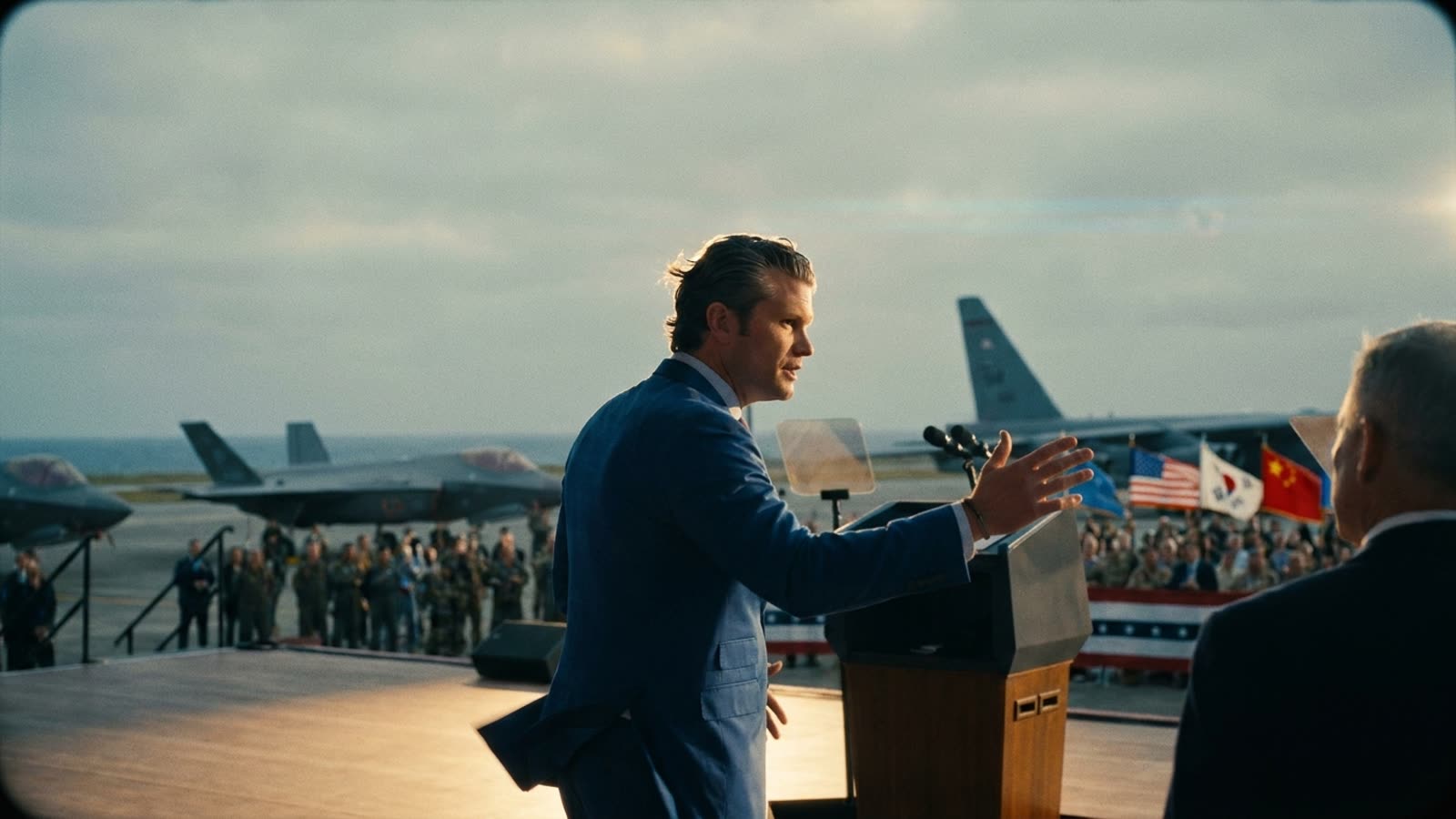
Pentagon officials have taken notice. Defense Secretary Pete Hegseth's recent call for allies to boost spending explicitly cited the Ukrainian model as proof that mass matters as much as sophistication. The implication is uncomfortable for Western procurement bureaucracies accustomed to decade-long development cycles for gold-plated platforms.
Doctrine in flux
Military theorists have long debated whether technology or doctrine wins wars. Ukraine suggests the answer is neither—or both. The robots work because Ukrainian commanders have integrated them into a decentralized command structure that rewards initiative at the squad level. Russian units, still operating under a more rigid hierarchy, have struggled to match this tempo.
The lessons extend beyond Eastern Europe. Taiwan's defense planners are studying Ukrainian tactics for asymmetric resistance. NATO exercises now include counter-drone scenarios that would have seemed exotic five years ago. Even China's People's Liberation Army has reportedly accelerated its own autonomous-systems programs in response.
Our take
War has always been a contest of adaptation, and Ukraine is winning that contest for now. But the proliferation of cheap, lethal robots raises questions no treaty or doctrine has answered: Who is accountable when an algorithm selects a target? What happens when these systems migrate to non-state actors? The battlefield is being rewritten in real time, and the rest of the world is reading along, nervously, one drone strike at a time.