For three decades, American presidents have treated public criticism of Israeli military operations as a third rail. Donald Trump just grabbed it with both hands.
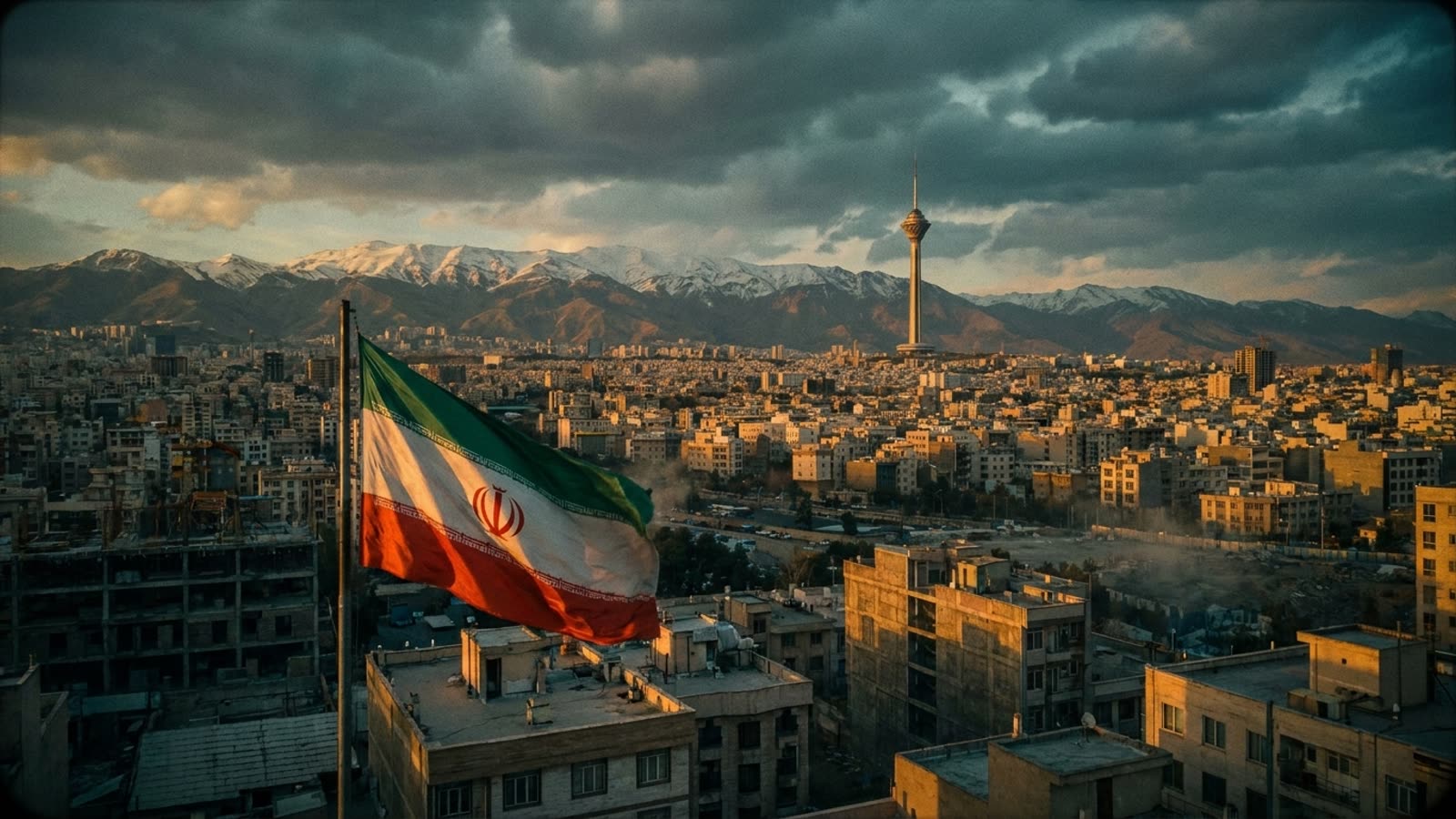
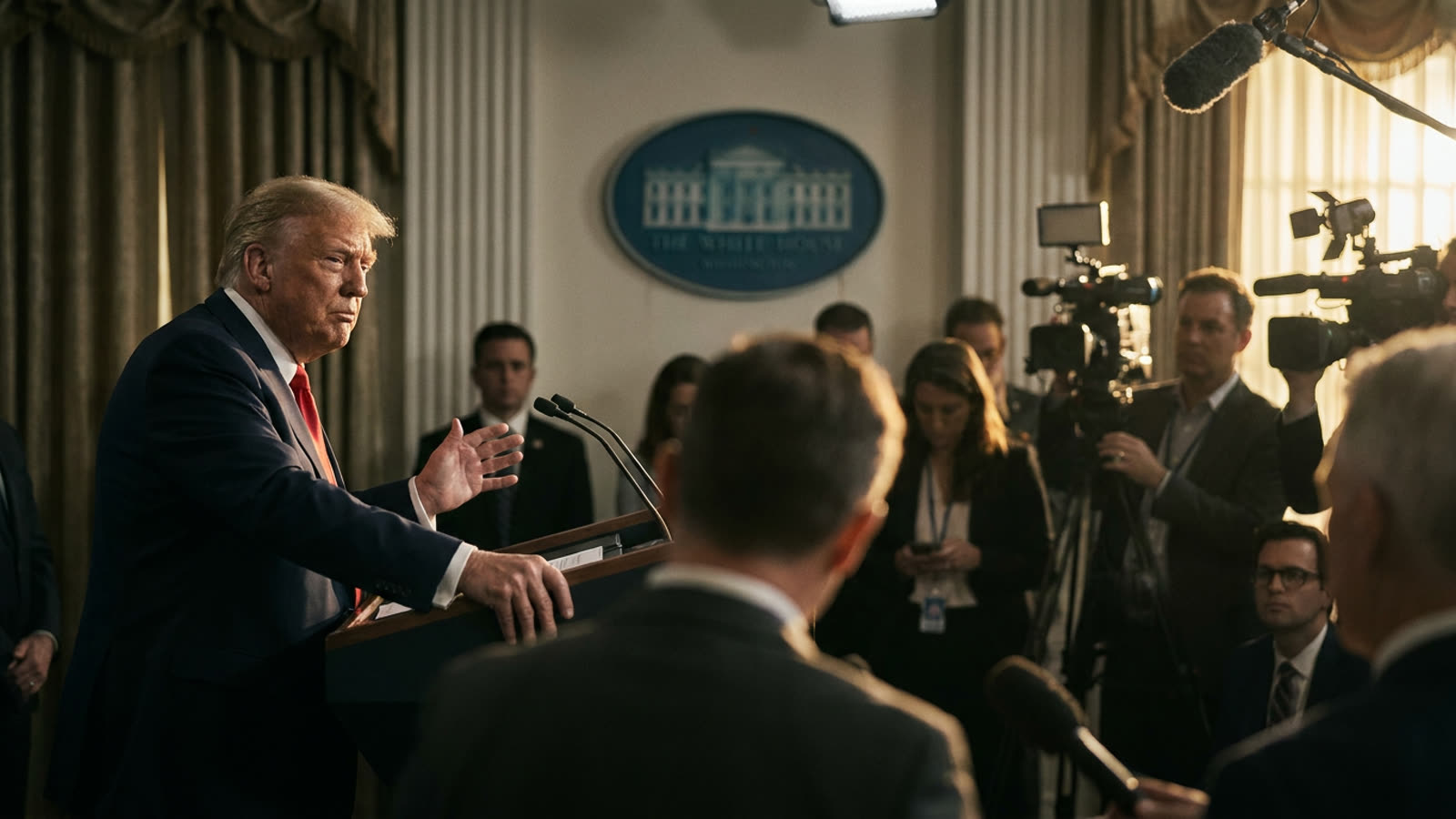
The president's sharp rebuke of Benjamin Netanyahu's latest Beirut strike—delivered not through back channels but in a statement that accused Israel of jeopardizing "the most important deal of our time"—marks an extraordinary rupture in the US-Israel relationship. More significantly, it reveals how close Washington and Tehran have actually come to finalizing a nuclear agreement, and how little patience Trump has left for anything that might derail it.
The calculus behind the criticism
Trump's willingness to publicly chastise Netanyahu is not born of any sudden sympathy for Lebanon or Iran. It is transactional clarity. The president has spent months positioning a new Iran deal as the capstone foreign policy achievement of his second term—a legacy item that would dwarf the Abraham Accords and, in his telling, prove that maximum pressure followed by maximum deal-making can solve problems that eluded his predecessors.
The draft agreement reportedly includes an oil sanctions waiver, a significant concession that would allow Iranian crude back onto global markets in exchange for verifiable limits on uranium enrichment. For Trump, who has tied his domestic political fortunes to lower energy prices, the timing is exquisite: a deal that simultaneously claims a diplomatic triumph and delivers cheaper gasoline before the midterms.
Netanyahu's strike on Beirut—targeting what Israel claims was a Hezbollah weapons depot—threatens to collapse the fragile negotiating atmosphere. Tehran has already signaled that continued Israeli aggression could freeze talks. Trump, never one to let an ally's interests override his own, chose to make the cost of disruption explicit.
What this means for the broader alliance
The US-Israel relationship has weathered public disagreements before, but rarely with this degree of personal edge. Trump and Netanyahu were once so aligned that the Israeli prime minister named a settlement after the American president. That era now feels distant.
The rebuke also exposes a deeper tension. Israel's security establishment has long viewed any US rapprochement with Iran as an existential threat, regardless of the terms. Netanyahu has spent his political career arguing that Iran cannot be trusted to honor agreements and that only sustained pressure—military and economic—can contain Tehran's regional ambitions. Trump's willingness to dismiss those concerns publicly suggests the president has concluded that the deal's domestic political value outweighs the cost of Israeli displeasure.
For Netanyahu, the situation is perilous. His coalition depends on hawkish partners who will view any softening toward Iran as betrayal. Yet openly defying a US president who has shown no hesitation in punishing allies—see the recent G7 debacle—carries its own risks.
Our take
Trump's rebuke is not a pivot toward a more balanced Middle East policy; it is a reminder that this president views alliances as instruments, not commitments. If the Iran deal closes, Trump will claim vindication and Netanyahu will be left to explain why Israel's most important patron publicly sided with Tehran. If the deal collapses, the president will blame Israeli intransigence and move on. Either way, the fiction that US and Israeli interests in the region are perfectly aligned has been quietly retired. The only question now is whether anyone in Jerusalem was paying attention.