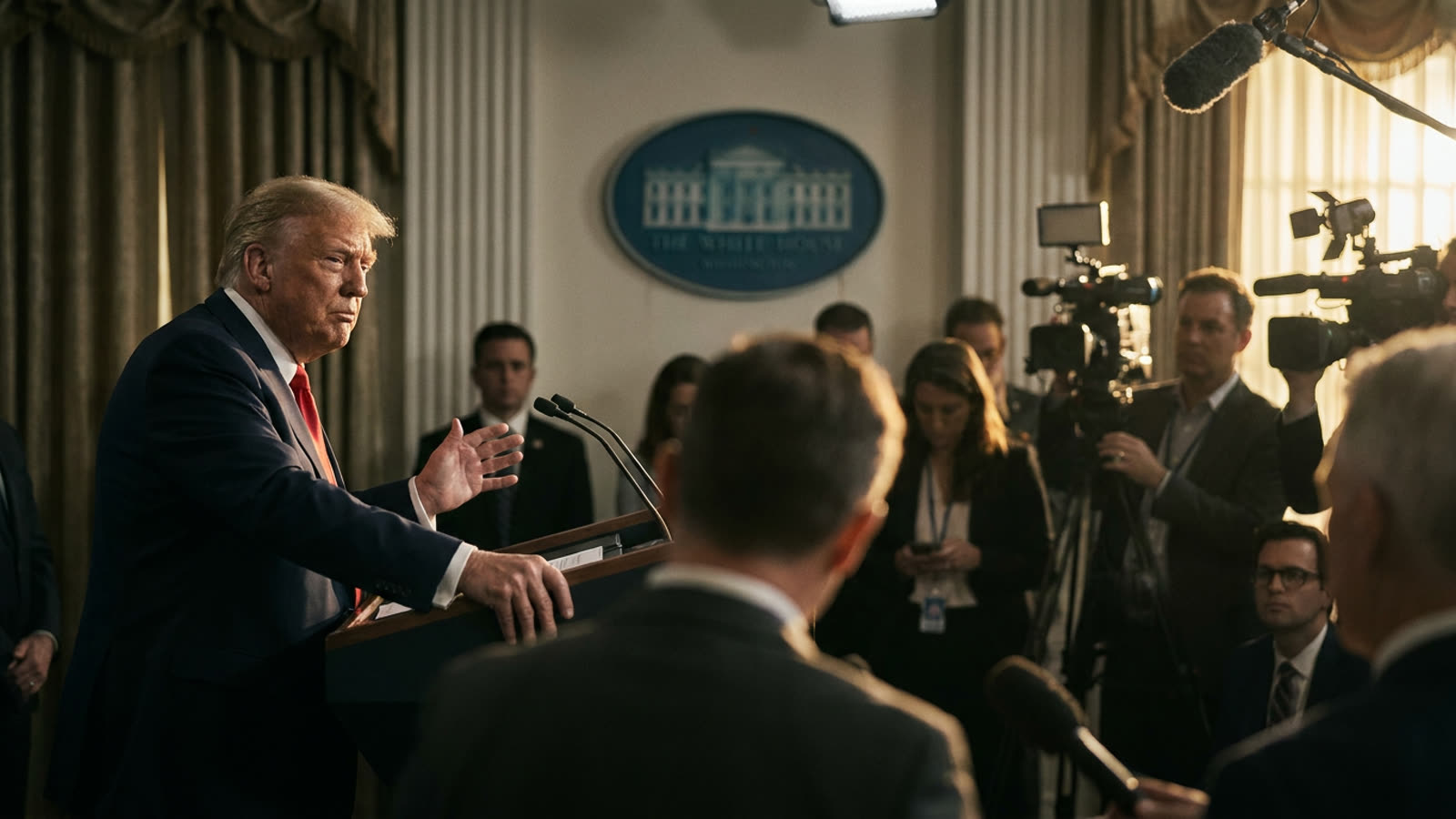
The most powerful man in the world turns 80 today, and his staff has responded by filling the South Lawn with mixed martial artists punching each other in the face. The symbolism is not subtle, and that is precisely the point.
Donald Trump has spent the better part of two decades insisting that age is irrelevant, that energy matters more than years, that he possesses a vigor his critics cannot match. The strategy worked beautifully when his opponents were older or appeared frailer. It works less well when the president himself becomes the oldest person ever to hold the office, surpassing the record he once weaponized against Joe Biden.
The choreography of denial
The White House UFC event is ostensibly a birthday celebration, but its true function is defensive. By surrounding himself with young, powerful athletes, Trump creates visual contrast that his communications team hopes will obscure the underlying reality. The president who once mocked opponents for needing teleprompters now relies on them himself. The candidate who questioned whether his rivals could handle the physical demands of the presidency now takes noticeably shorter schedules and longer weekends at Mar-a-Lago.
None of this is unprecedented. Every aging president eventually confronts the gap between the image they project and the body they inhabit. Reagan's aides managed his schedule carefully in his second term. Biden's team limited his public exposure. What distinguishes the Trump approach is its aggressive denial—the insistence that acknowledging limitation equals weakness, that any concession to time represents defeat.
The gerontocracy problem
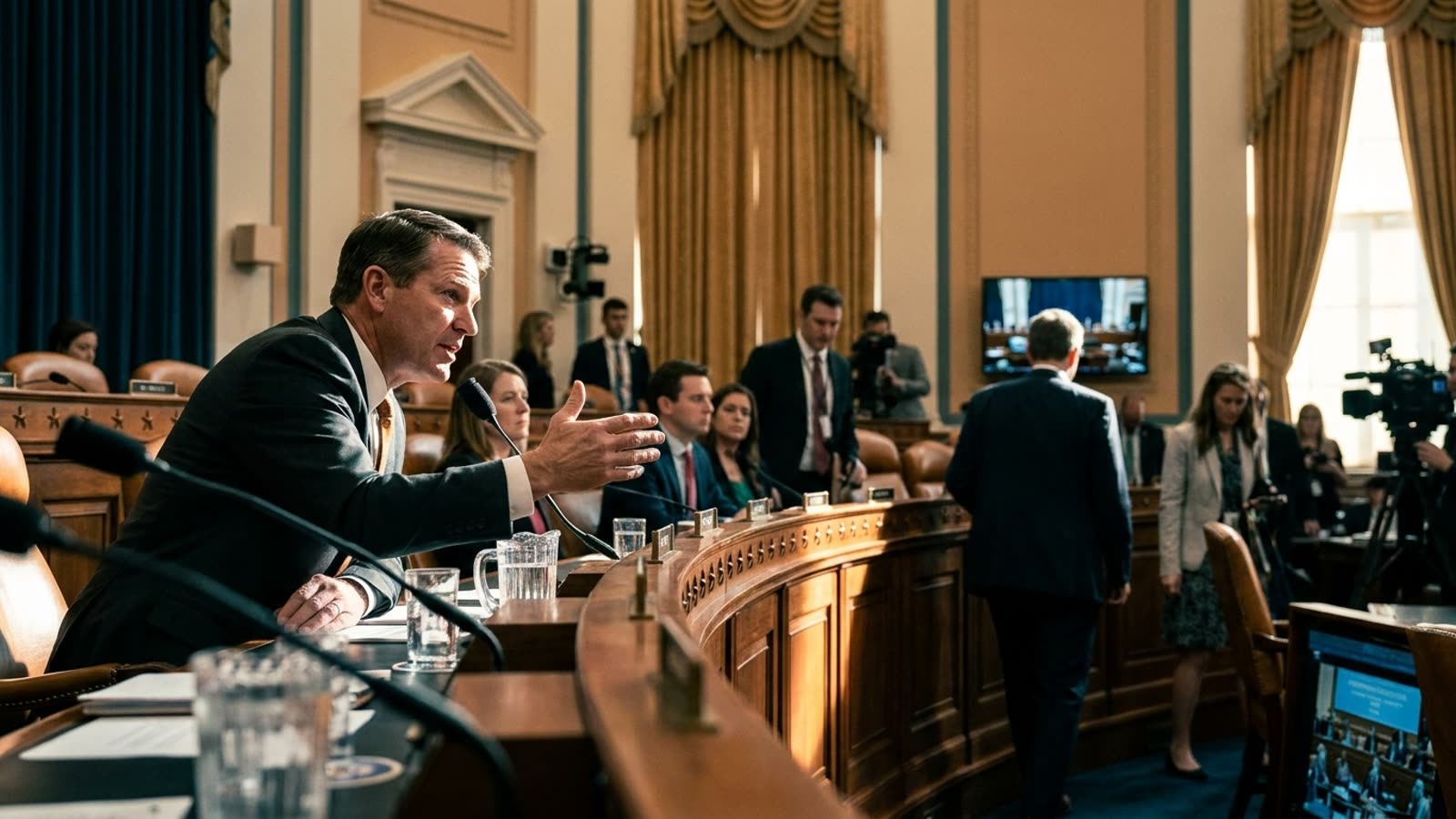
Trump's 80th birthday arrives at a moment when American politics remains dominated by figures who came of age during the Cold War. The average age of Senate leadership, the persistence of octogenarians in key committee chairs, the recurring spectacle of elderly candidates seeking the highest office—these patterns reflect structural incentives that reward incumbency and punish the young.
The president's personal situation thus mirrors a broader institutional crisis. American democracy has become remarkably comfortable with leaders whose formative experiences predate the internet, the fall of the Berlin Wall, and the emergence of China as a global power. Whether this represents wisdom or ossification depends largely on one's political priors, but the question itself has become impossible to avoid.
Our take
There is something poignant about a man who built his political brand on dominance and strength confronting the one opponent no amount of bluster can defeat. Trump at 80 is not diminished in the ways his critics predicted—he remains combative, media-savvy, and capable of commanding attention. But the cage fights on the South Lawn betray an anxiety that previous birthdays never required. When you have to prove you are still vital, you have already conceded the argument.