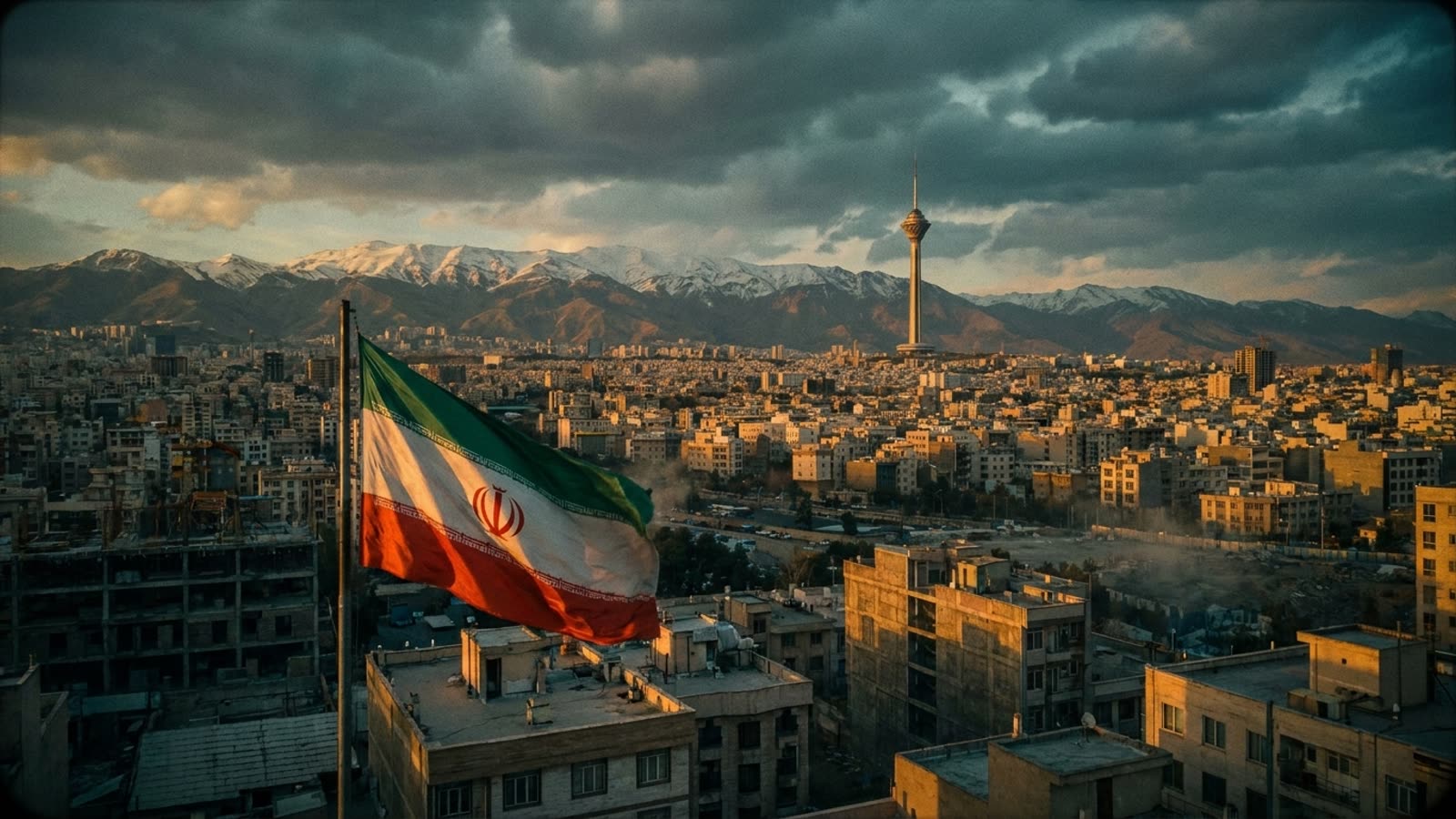
The contours of a potential US-Iran agreement are finally coming into focus, and they look more ambitious than most observers expected. Iranian officials confirmed Saturday that the draft deal under negotiation includes a waiver on oil sanctions—a significant concession that would allow Tehran to resume legal crude exports to global markets for the first time since 2018.
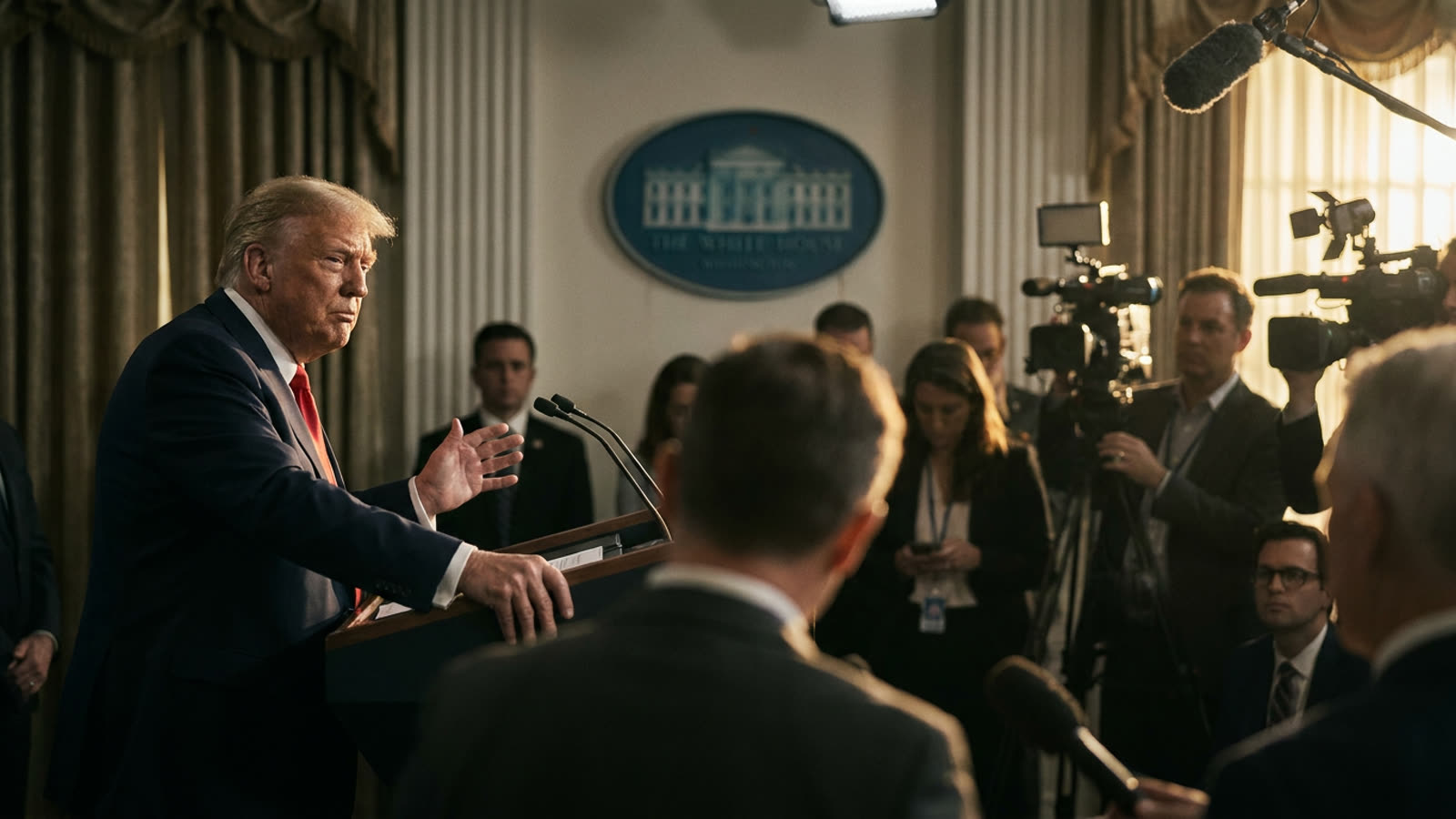
The disclosure, paired with President Trump's claim that the two nations are "so close" to an agreement, marks the most concrete progress in US-Iran diplomacy since the original nuclear accord collapsed. But confirming what both sides want is the simple part. The question now is whether the deal can survive the political gauntlets in Washington and Tehran—and the regional actors determined to see it fail.
What the sanctions waiver actually means
An oil sanctions waiver would be transformative for Iran's economy, which has limped along under maximum pressure since the Trump administration's first term withdrew from the JCPOA in 2018. Iranian crude exports have been reduced to a trickle of illicit sales, mostly to China at steep discounts. Legal access to global markets would unlock tens of billions in annual revenue and provide the regime with desperately needed hard currency.
For Washington, the waiver represents the core of any realistic bargain. Iran has always maintained that its nuclear program is peaceful and that sanctions relief—not inspections or enrichment caps—is the point of any negotiation. The Biden administration spent years trying to revive the JCPOA without offering new concessions; Trump's team appears willing to trade sanctions relief for verifiable nuclear constraints and, crucially, a broader regional understanding.
The regional spoilers are already moving
Israel's weekend strike on Beirut, which drew a rare public rebuke from Trump, illustrates the precariousness of this moment. Prime Minister Netanyahu has spent years arguing that any deal with Iran is a strategic catastrophe, and his government has shown willingness to take military action that complicates American diplomacy. The Beirut strike—targeting Hezbollah infrastructure but timed to coincide with the most sensitive phase of US-Iran talks—was either spectacularly poorly timed or deliberately designed to create friction.
Trump's criticism of the strike suggests the White House is aware of the dynamic and willing to push back. But Netanyahu faces his own domestic pressures, and Israeli security officials have long operated on the assumption that preventing an Iran deal is worth diplomatic costs with Washington. The next several weeks will test whether Trump's personal relationship with Netanyahu can survive genuine policy divergence.
Our take
The Iran deal is closer than it's been in years, which means it's also more fragile than it's been in years. Tehran's public confirmation of the sanctions waiver is a negotiating tactic—signaling to domestic hardliners that the talks are producing results while raising the political cost for Washington if it walks away. Trump, for his part, clearly wants this deal as a legacy achievement, perhaps the signature foreign policy win of his second term. Both sides have incentives to close. But deals this consequential don't fail because the principals disagree; they fail because someone outside the room decides the status quo serves them better. Watch Jerusalem.