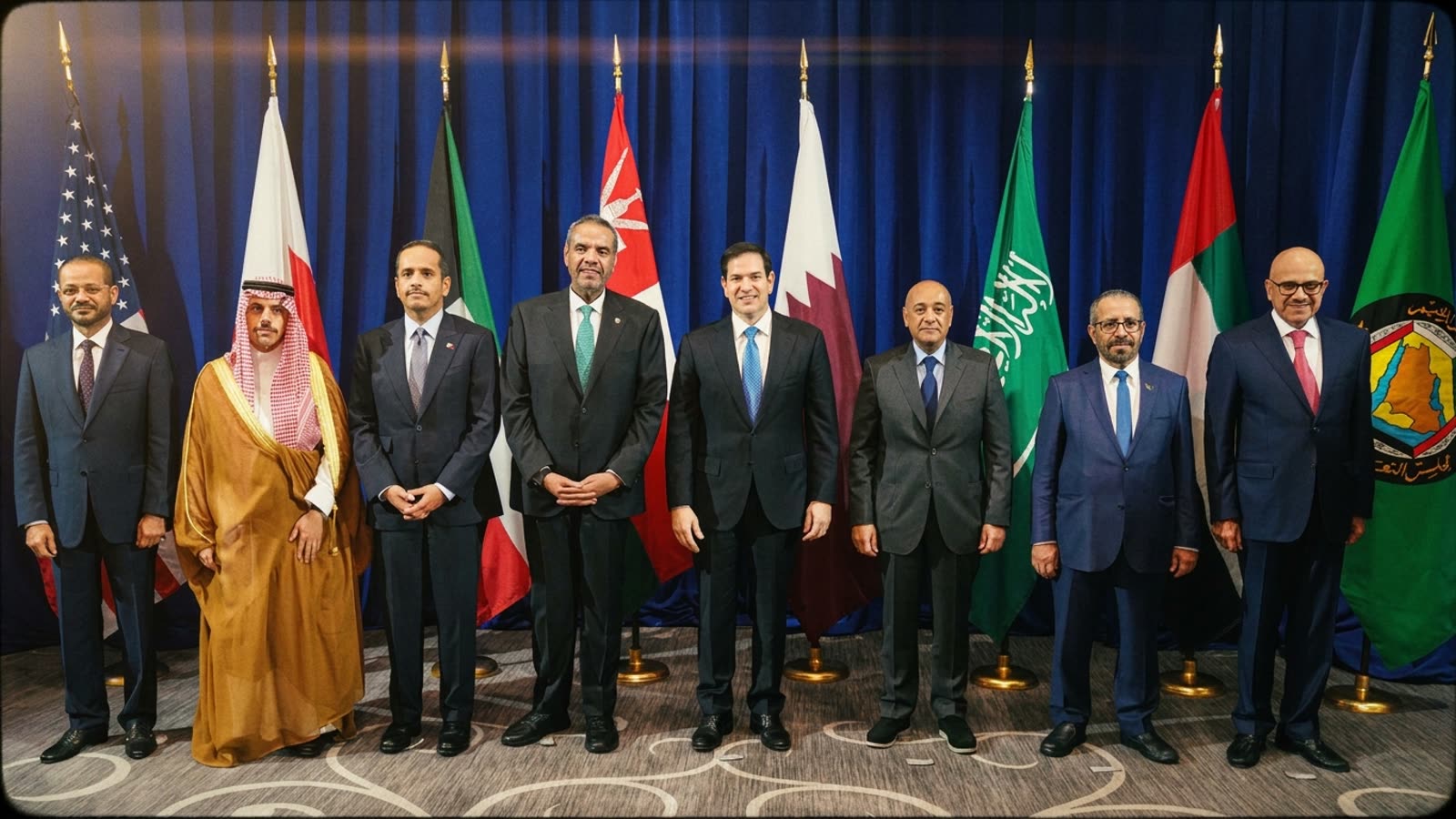
The war that Donald Trump spent months threatening, then prosecuting, may be entering its closing chapter—and the president is discovering that ending conflicts is messier than starting them. His Friday meeting with Gulf leaders in Washington arrives at a pivotal moment: Iran has floated a new proposal to wind down hostilities, and America's wealthy regional partners are making clear they want this over.
The diplomatic choreography is telling. Saudi Arabia, the UAE, and Qatar have each signaled in recent weeks that they see diminishing returns in continued military pressure on Tehran. Their economies, built on stability and capital flows, have absorbed enough volatility. The Strait of Hormuz tensions have disrupted shipping insurance markets and spooked the sovereign wealth funds that underwrite Gulf ambitions. When your national strategy depends on attracting global investment, prolonged regional warfare is bad for business.
The proposal on the table
Details of Iran's latest offer remain closely held, but the broad contours have leaked through multiple channels: a phased de-escalation tied to partial sanctions relief, with verification mechanisms that would require sustained diplomatic engagement. It is not the unconditional surrender that Trump's more hawkish advisers once demanded, nor is it the face-saving capitulation that Tehran's hardliners feared they might have to accept.
What it represents is a recognition by both sides that the military campaign has reached a stalemate. American strikes degraded Iranian infrastructure but failed to produce regime collapse. Iranian proxies inflicted costs on Gulf allies and American assets but could not force a withdrawal. The result is a war that has become expensive to maintain and difficult to justify extending.
The domestic calculus
Trump's political position complicates any deal-making. His approval ratings have softened, and the Republican coalition that once rallied around muscular foreign policy is showing fatigue. The midterm math looks unfavorable, and a prolonged, inconclusive conflict offers little electoral upside. Yet accepting terms that can be framed as Iranian victory would energize critics who already argue he mismanaged the escalation.
The Gulf leaders arriving in Washington understand this dynamic intimately. They are not coming to pressure Trump publicly—that would be counterproductive—but to offer him a path that looks like strength. If the Saudis and Emiratis can be positioned as the architects of a regional settlement, with American backing, Trump can claim he achieved through leverage what diplomacy alone could not.
Our take
Trump wanted a quick, decisive campaign that would humble Iran and cement American dominance in the Gulf. He got a grinding conflict that has tested alliances, rattled markets, and produced no clear victor. The smart play now is to take the off-ramp his Gulf partners are constructing—declare victory, pocket whatever concessions Iran offers, and move on before the costs compound further. Whether his pride permits that remains the open question.