The conventional political playbook after a bruising week involves strategic retreat: soften the rhetoric, find a bipartisan win, let the news cycle reset. President Trump, surveying the wreckage of stalled legislation, a restive Senate caucus, and approval ratings dipping toward the mid-thirties, has chosen the opposite. He is accelerating.
In the past seventy-two hours alone, the administration has pushed forward on green card restrictions that could displace hundreds of thousands of legal residents, floated new tariff escalations, and continued saber-rattling toward Iran despite evident congressional unease. The political logic, to the extent one exists, appears to be that momentum itself constitutes mandate—that appearing to govern aggressively is more valuable than governing effectively.
The defiance doctrine
Trump's theory of political survival has always prioritized intensity over breadth. Energizing the base matters more than persuading the middle, and demonstrating dominance matters more than either. This week's moves fit that template precisely. The green card changes delight restrictionist allies while horrifying business groups. The Iran posture satisfies hawks while unnerving moderates who remember the political costs of Middle Eastern entanglements.
The president's allies argue this is simply authenticity—Trump doing what Trump promised. But the timing suggests something more tactical. With Senate Republicans openly questioning his legislative strategy and several vulnerable members eyeing the exits, the White House appears to be betting that bold action will rally the faithful and make wavering legislators fear primary challenges more than general-election backlash.
The math problem
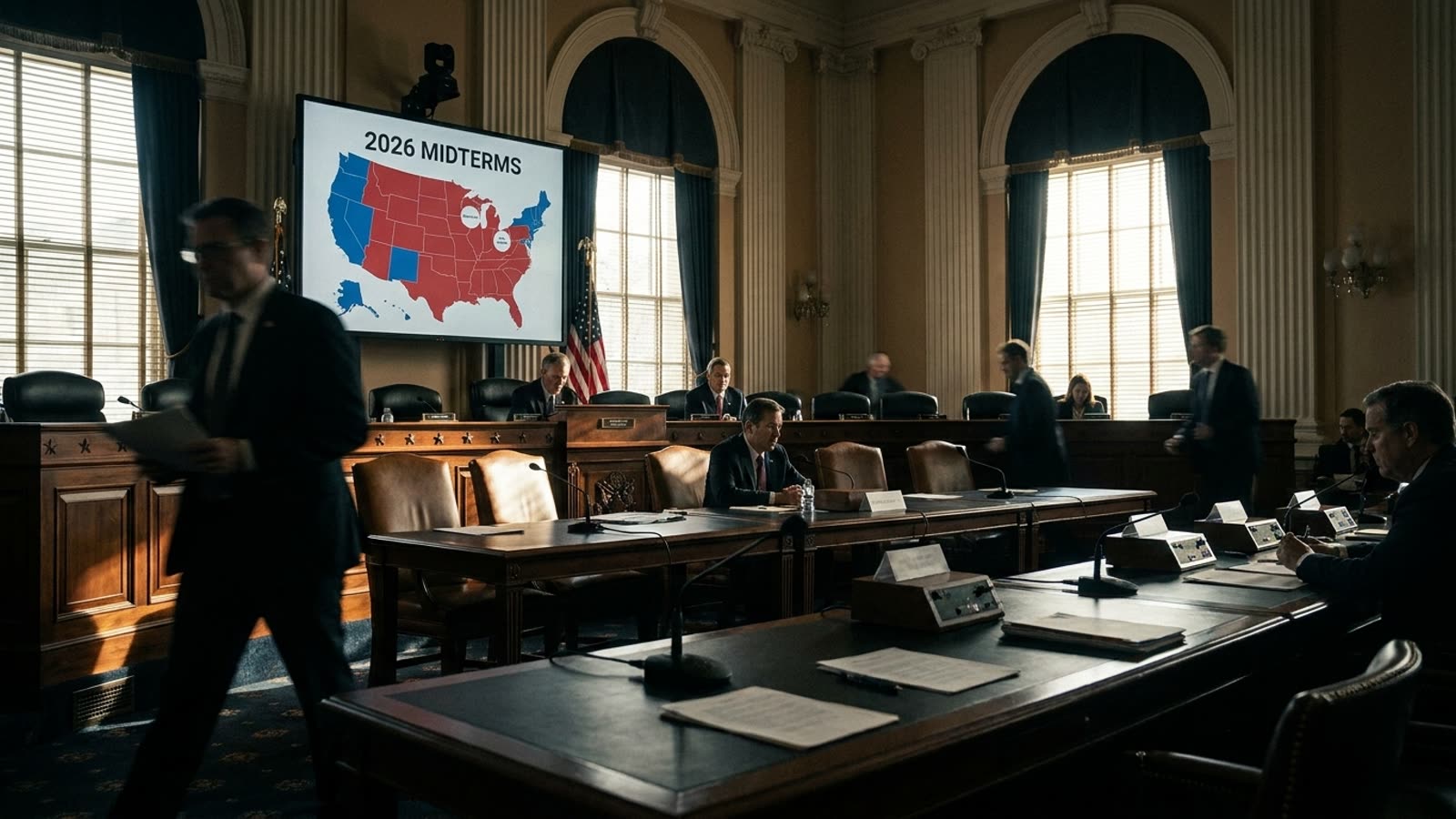
The difficulty is that midterm elections are not primaries. The same intensity that excites the base can mobilize the opposition. Polling consistently shows the president's signature initiatives—from immigration restrictions to Iran hawkishness—underwater with independents and suburban voters, precisely the constituencies that will determine control of Congress.
Historically, presidents who lose significant ground in their first midterms rarely recover legislative momentum. The second half of a term becomes about executive action, judicial appointments, and running out the clock. Trump may be calculating that he has already lost the legislative war and is now fighting for something else entirely: the narrative of strength that will define his legacy and any future political ambitions.
Our take
There is a certain clarity to Trump's approach, even if it is clarifying in uncomfortable ways. He is governing as if popularity were irrelevant, which raises the question of what exactly he believes he is accountable to. The answer appears to be his own sense of momentum—a metric that exists independent of polling, legislative outcomes, or even electoral math. Whether this constitutes leadership or merely performance is a question the midterms will eventually answer, though by then the consequences of this defiant stretch may already be locked in.