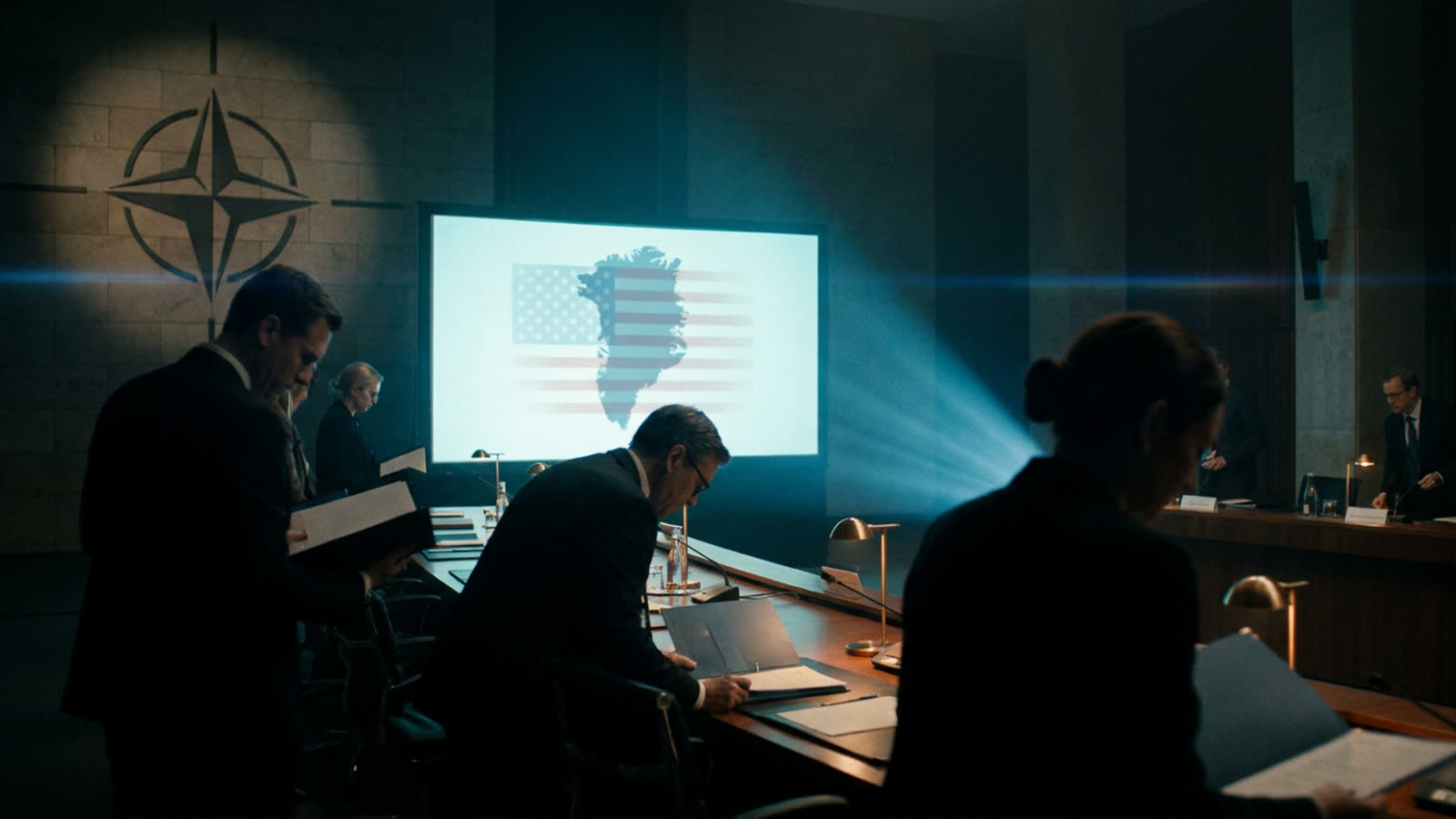
The American president arrived at the NATO summit in The Hague this week with a familiar shopping list: complaints about allied defense spending, threats to reduce the US troop presence in Europe, and—in case anyone had forgotten—a reminder that he believes the United States should control Greenland.
This is not new. Trump first floated the Greenland acquisition in 2019, was rebuffed by Denmark, canceled a state visit in apparent retaliation, and has periodically returned to the subject with the persistence of a man who cannot accept that some things are simply not for sale. What makes the 2026 iteration notable is the setting: a summit ostensibly convened to demonstrate Western unity against Russian aggression, where the host nation's closest ally is openly coveting the territory of another member state.
The strategic logic, such as it is
Greenland matters. The island's position in the Arctic makes it valuable for early-warning radar systems, submarine monitoring, and the increasingly contested northern sea routes that climate change is opening. The US already operates Pituffik Space Base there under a 1951 agreement with Denmark. American strategists have long wished for deeper access.
But wishing for deeper access and publicly demanding sovereignty are different things. Denmark is a founding NATO member. Greenland, while autonomous in many domestic matters, remains under Danish sovereignty. The Greenlandic government has shown no interest in American annexation. Trump's insistence that the US "should" control the island—without specifying how this would occur—places allies in the uncomfortable position of defending the territorial integrity of a member against the alliance's largest contributor.
The F-35 carrot and the troop-cut stick
The Greenland remarks did not arrive in isolation. Trump also indicated he is considering selling F-35 fighter jets to Turkey, a reversal of the policy that excluded Ankara from the program after it purchased Russian S-400 air defense systems. The implicit message: loyalty to American preferences can be rewarded, even if those preferences shift unpredictably.
Simultaneously, the president mused about cutting US troop levels in Europe by a third—a figure that would represent roughly 30,000 personnel—as a "message" to allies he considers insufficiently committed to their own defense. The combination of territorial claims, arms-sale reconsiderations, and force-reduction threats creates a negotiating environment where allies cannot be certain which American positions are opening gambits and which are genuine policy.
Our take
The Greenland fixation reveals something important about how Trump views alliances: as transactional arrangements where leverage should be applied constantly, even to friends. NATO's value to the United States lies precisely in the network of bases, intelligence sharing, and political commitments that make American power projection possible. Alienating Denmark over an island the US already uses freely is not hardball negotiation; it is the diplomatic equivalent of demanding to buy your neighbor's house while borrowing their lawnmower. The alliance will survive this summit. Whether it can survive being treated as a collection of assets to be acquired rather than partners to be cultivated is a longer question.