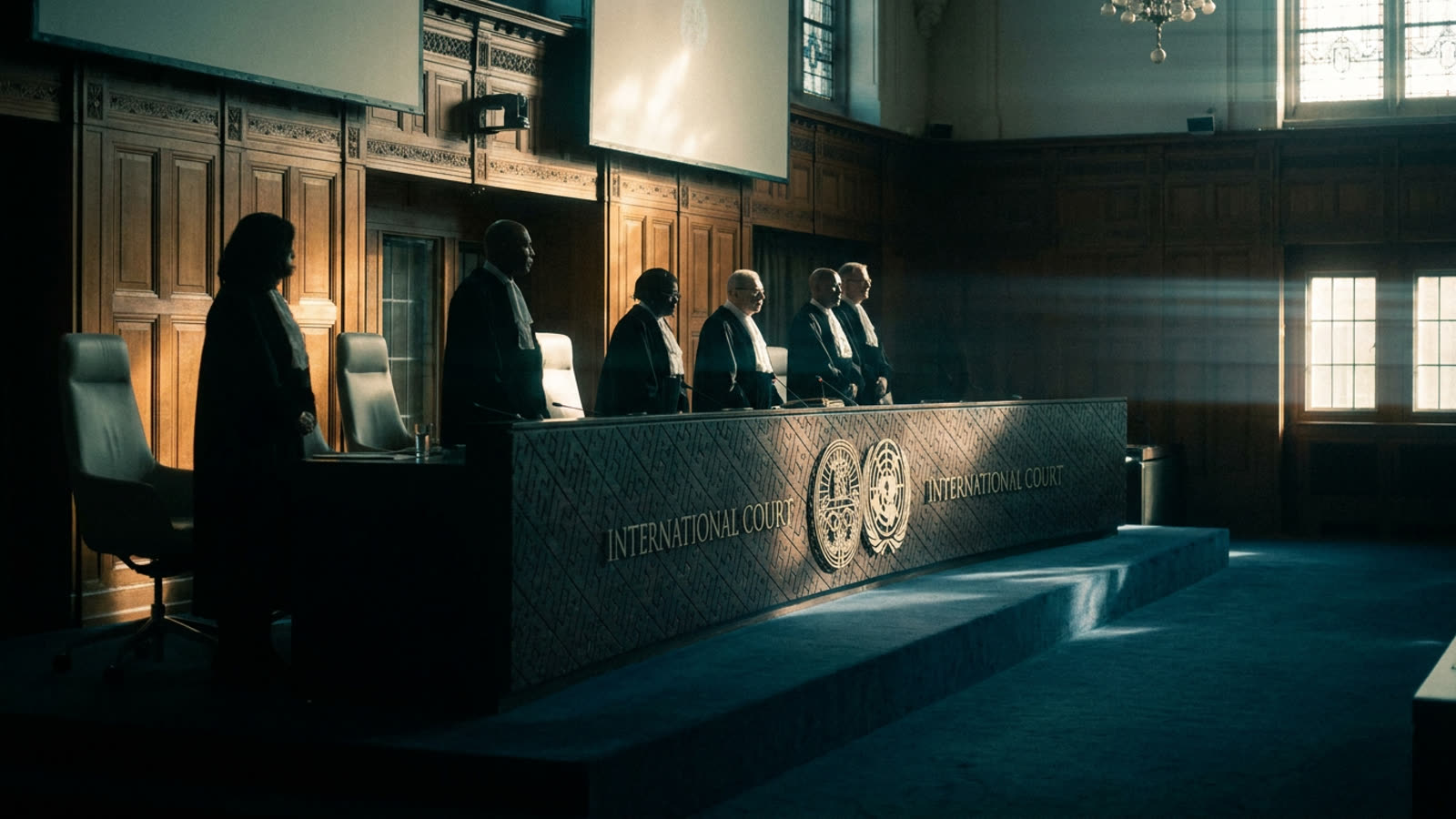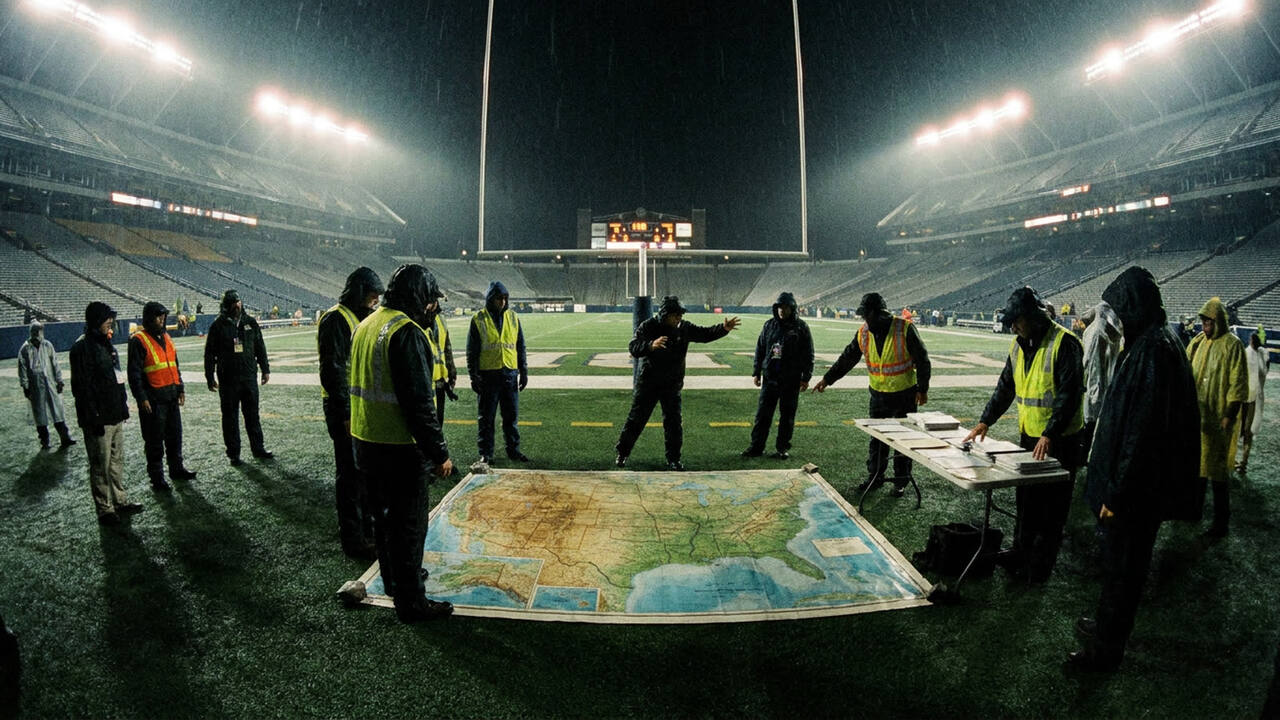
The most consequential political battles in America often happen in rooms most voters will never see, fought over maps most voters will never examine. Every decade, after the census, someone must draw the lines that determine which voters belong to which legislative districts. For most of American history, that someone was the state legislature itself—a fox-henhouse arrangement that produced some of the most contorted electoral boundaries in democratic history. The reform movement's answer was the independent redistricting commission: take the maps away from politicians and hand them to citizens. It was a elegant theory. The practice has proven considerably messier.
The anatomy of a commission
Independent commissions now control redistricting in roughly a dozen states, with another handful using hybrid models where legislators share power with appointed civilians. The structures vary enormously. California's Citizens Redistricting Commission comprises fourteen members—five Democrats, five Republicans, and four from neither party—selected through an elaborate screening process designed to filter out anyone with recent political entanglements. Arizona uses a similar model with five commissioners. Michigan's commission has thirteen members chosen partly by lottery from a pool of applicants.
The selection process is where the first battles occur. Who screens the applicants? What disqualifies someone as too political? In California, applicants cannot have held partisan office, worked for an elected official, or lobbied in the previous decade. But political sophistication finds other channels. Applicants with connections to advocacy groups, unions, or business associations bring their own orientations to the table. The commissioners who emerge are not blank slates; they are simply slates that haven't been written on by the most obvious hands.
Criteria wars
Once seated, commissioners must apply a set of legally mandated criteria: districts should be contiguous, reasonably compact, respectful of existing political boundaries, and compliant with the Voting Rights Act's protections for minority representation. These criteria sound neutral. They are not. Compactness and community preservation often pull in opposite directions. Protecting a minority-majority district may require drawing lines that look anything but compact. Keeping a city whole might split a county; keeping a county whole might split a city.
The ordering of these criteria matters enormously, and that ordering is itself a political choice made years earlier by whoever drafted the commission's enabling statute. Commissioners then interpret these criteria through public hearings where organized groups show up with sophisticated mapping software and detailed proposals. The Sierra Club wants environmental communities of interest preserved. Business groups want commercial corridors kept together. Racial justice organizations want minority voting power maximized. Each group frames its preferences in the language of neutral principles, but the cumulative effect is a negotiation as political as any legislative session—just conducted in a different vocabulary.
The legitimacy question
Commission defenders argue that even imperfect citizen panels produce fairer maps than legislatures drawing their own districts. The evidence is mixed but generally supportive: states with independent commissions tend to produce more competitive districts and fewer grotesquely shaped ones. Critics counter that commissions simply obscure accountability. When legislators gerrymander, voters know whom to blame. When commissioners do it—or produce maps that advantage one party through neutral-sounding criteria—the responsibility diffuses into bureaucratic mist.
Our take
The honest answer is that no redistricting system is apolitical, because the act of drawing districts is inherently political. Lines create winners and losers; someone must draw them. Independent commissions represent a genuine improvement over legislative self-dealing, but they are not the antiseptic technocratic solution their advocates sometimes promise. They are a different arena for the same fundamental conflict—one where the weapons are community-of-interest testimony and compactness metrics rather than raw partisan muscle. That's progress. It's just not purity.