The Trump administration's much-heralded "anti-weaponization fund"—a $1.8 billion pot of money ostensibly meant to compensate Americans who claimed they were unfairly targeted by federal law enforcement—has run into an obstacle its architects apparently failed to anticipate: the law.
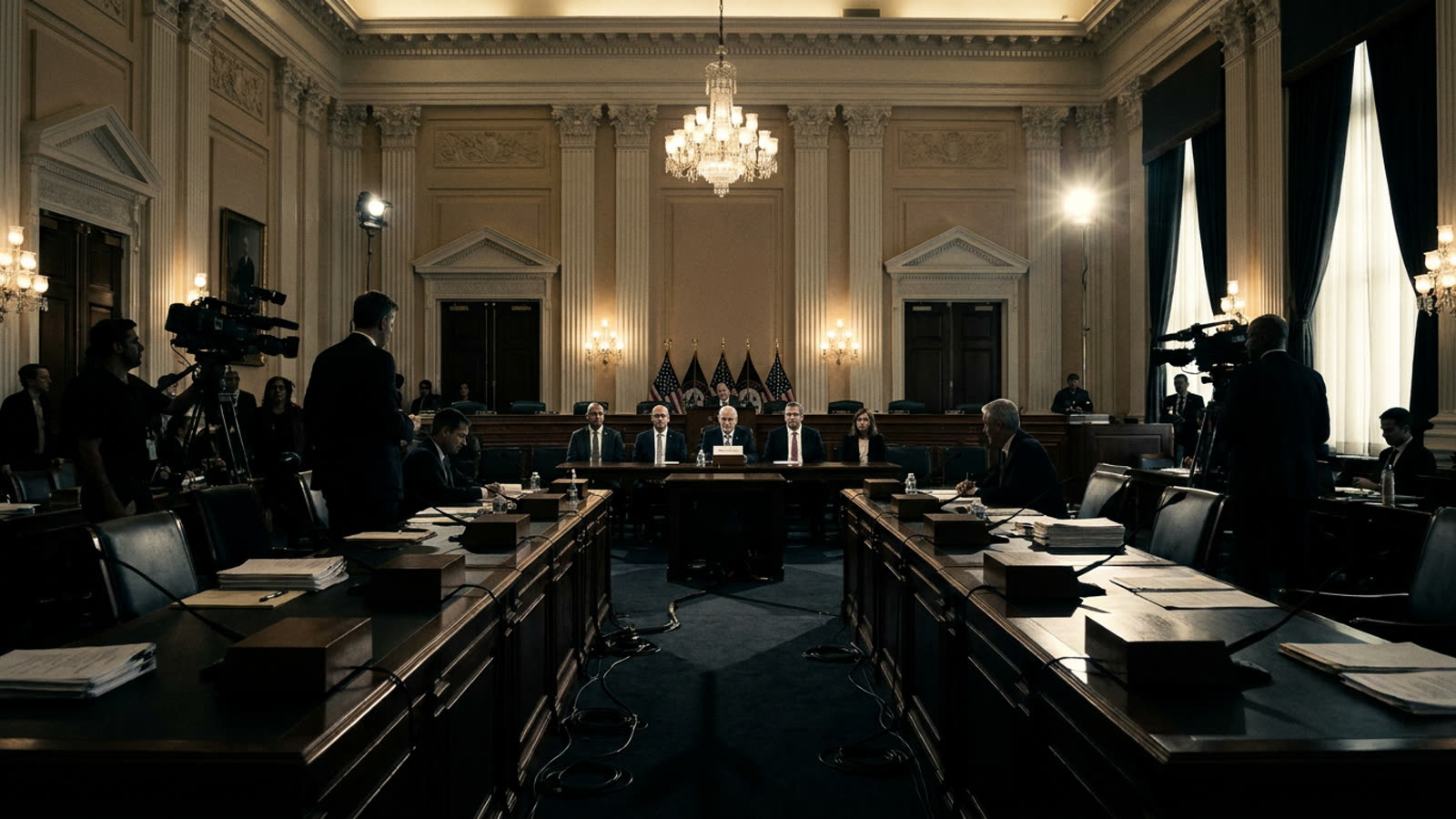
In filings this week, Department of Justice lawyers informed federal judges that the fund, created by executive order earlier this year, cannot actually disburse payments without congressional appropriation. The admission came in response to lawsuits from individuals seeking payouts, and it effectively renders the entire initiative a political gesture rather than a functioning program.
The promise versus the plumbing
When President Trump announced the fund in February, it was framed as a corrective to what he called the "weaponization" of federal agencies against his supporters, January 6 defendants, and others he deemed victims of prosecutorial overreach. The $1.8 billion figure made headlines. Conservative media celebrated it as accountability; critics called it a slush fund for political allies.
What neither side fully reckoned with was the Antideficiency Act, a nineteenth-century statute that prohibits executive branch agencies from spending money Congress hasn't specifically allocated. The DOJ's admission this week confirms what budget hawks suspected: the fund was always more announcement than appropriation.
A pattern of executive theater
The anti-weaponization fund fits a recognizable template in the second Trump administration: bold executive action designed for immediate political impact, with implementation details left deliberately vague. The tariff announcements that roiled markets before being "paused." The deportation flights that generated dramatic footage but faced court injunctions. The pattern suggests an administration that prizes the announcement over the apparatus.
This approach has tactical advantages—it dominates news cycles and energizes the base without requiring the slow work of legislative coalition-building. But it also creates a growing gap between what the administration claims to have accomplished and what has actually changed in law or policy.
Our take
The quiet death of the anti-weaponization fund reveals something important about the current moment in American governance: the executive branch has become extraordinarily good at generating the appearance of action while the actual machinery of government remains constrained by older, duller rules. Trump's critics will see this as another example of authoritarian impulses checked by institutions. His supporters may view it as proof that the deep state continues to obstruct. Both interpretations miss the simpler truth: you still can't spend money Congress didn't give you, no matter how good the press release sounds.