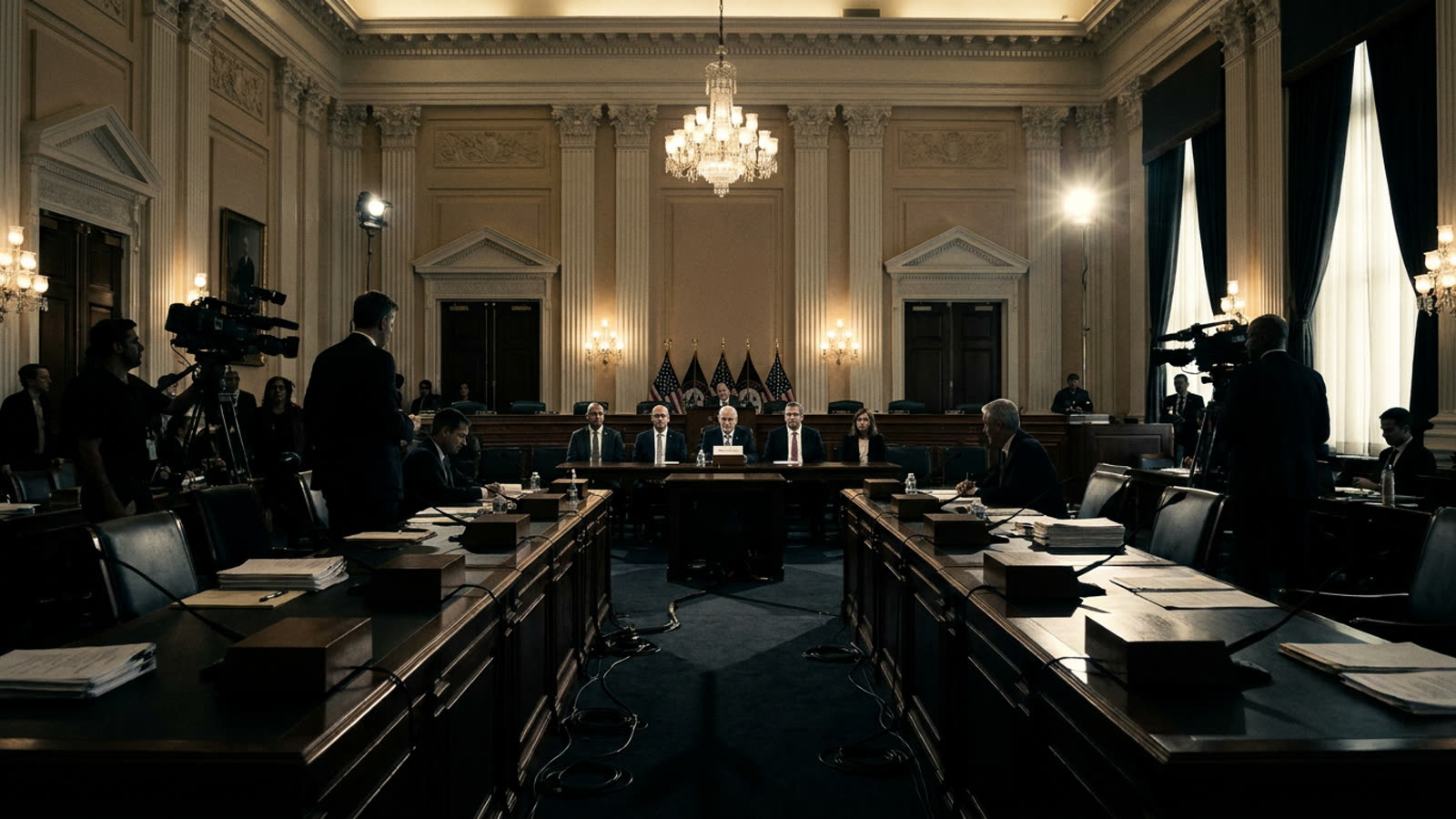
The United States House of Representatives voted Thursday to impose new sanctions on Russia and authorize fresh military assistance to Ukraine, assembling the kind of bipartisan coalition that has eluded Capitol Hill on nearly every other issue of consequence. The margins were not close. They were veto-proof—a pointed rebuke to a White House that has spent months signaling its desire to wind down American support for Kyiv and reset relations with the Kremlin.
The vote lands at a moment when the administration's foreign policy has lurched from improvisation to improvisation: a public scolding of Benjamin Netanyahu, stalled talks with Iran, and a series of mixed signals about whether the United States still considers European security a core interest. Congress, it appears, has decided to answer that question itself.
The coalition that shouldn't exist
Washington's conventional wisdom holds that bipartisanship is dead, buried somewhere beneath the rubble of the last debt-ceiling standoff. Yet on Ukraine, a durable majority persists. Defense hawks who view Russia as an existential threat to NATO joined with institutionalists alarmed by executive overreach and a handful of Democrats who simply refuse to cede foreign policy to the Oval Office. The result was a floor vote that looked less like 2026 and more like 2002—back when Congress still imagined itself as a co-equal branch on matters of war and peace.
The sanctions package targets Russian energy exports, sovereign debt, and individuals close to the Kremlin. The aid authorization replenishes artillery ammunition, air-defense systems, and intelligence-sharing arrangements that had quietly lapsed as the administration slow-walked prior appropriations. Taken together, the legislation represents the most assertive congressional intervention in foreign affairs since the early days of the first Trump term.
What the White House lost
A veto-proof majority is more than a legislative inconvenience; it is a statement of political isolation. The president can still shape implementation—sanctions enforcement is an executive function, and the Pentagon retains discretion over delivery timelines—but the core policy is now locked in statute. More damaging, perhaps, is the message sent to Moscow: American support for Ukraine is not contingent on the president's mood, his negotiating posture, or his next phone call with Vladimir Putin.
The timing compounds the sting. Just days ago, the administration publicly chastised Netanyahu in terms unusual for a sitting president addressing a close ally. Now Congress has returned the favor, telling the world that Trump's word on Russia is not necessarily America's word. For a president who prizes the appearance of strength, the optics are brutal.
Our take
This vote will not end the war in Ukraine, nor will it resolve the deeper tension between a president who views alliances as transactional and a foreign-policy establishment that still believes in the post-1945 order. But it does clarify something important: Congress can still act when it chooses to. The question is whether this moment of institutional spine is an anomaly or the beginning of a broader reassertion. Given the incentives—midterms loom, and swing-district Republicans need distance from an unpopular president—bet on anomaly. Still, for one afternoon, the legislative branch remembered what it was for.