The numbers tell two stories that refuse to reconcile. TeraWulf, the New York-based company that once pitched itself as a clean-energy Bitcoin miner, reported this week that its high-performance computing lease revenue surged 117 percent quarter-on-quarter to $21 million. In the same breath, it disclosed a net loss of $427 million. The pivot to artificial intelligence is generating real dollars; it is also burning through capital at a pace that makes the old mining economics look almost quaint.
The great rebrand
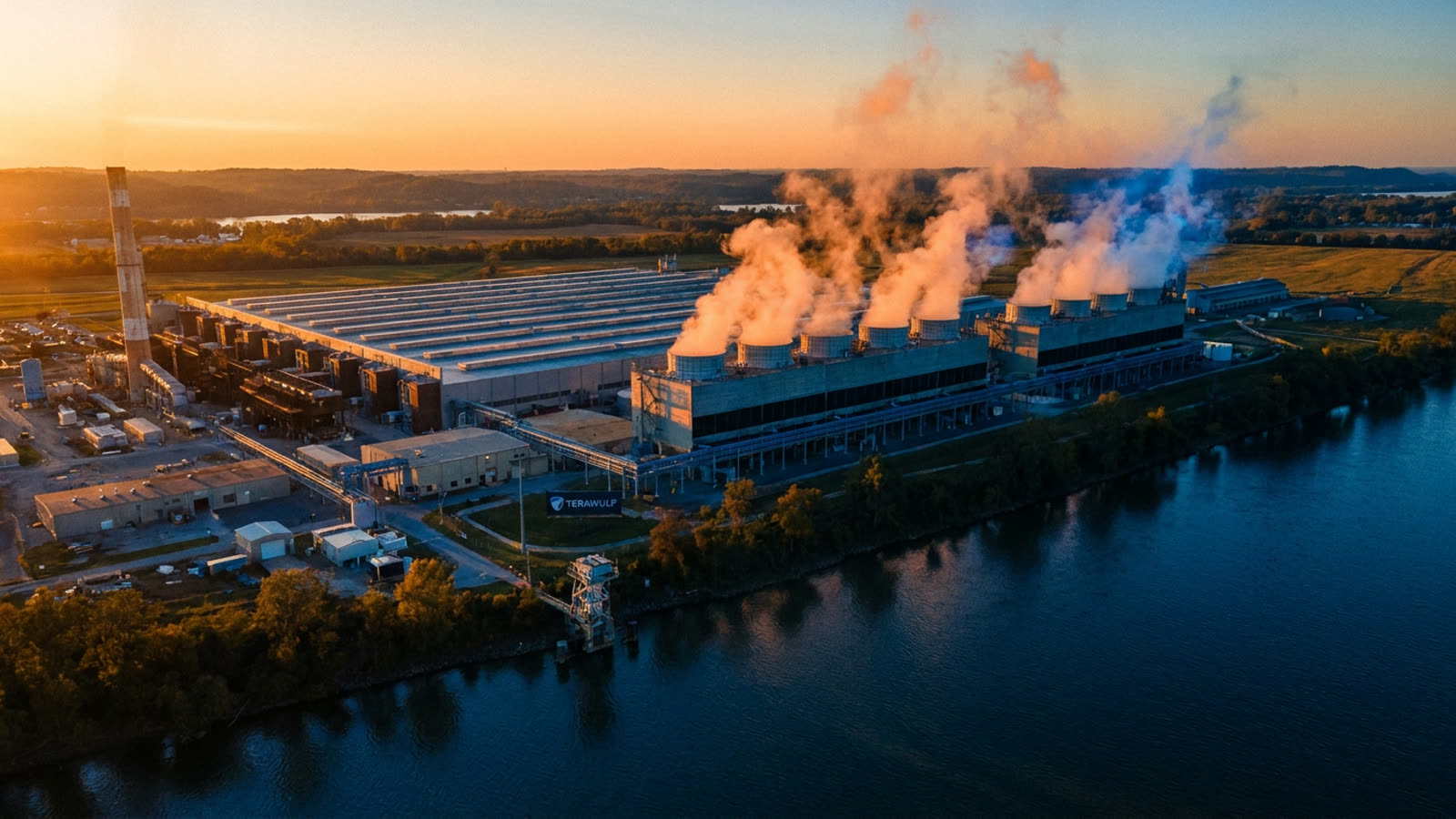
TeraWulf is not alone. Across the crypto-mining sector, companies are scrambling to repurpose their data-center infrastructure for AI workloads, betting that Nvidia GPUs crunching large language models will prove more lucrative—and more palatable to investors—than SHA-256 hashes. The logic is seductive: AI demand is insatiable, electricity is already sunk, and the "AI" label commands a valuation premium that "crypto" no longer does. Marathon Digital, Hut 8, and Core Scientific have all made similar noises. TeraWulf simply moved fastest, signing hosting deals with AI clients and rebranding its Lake Mariner facility as a hybrid compute campus.
Why the losses persist
The trouble is that AI infrastructure is not a costume change. Training clusters require different cooling, different networking, different power density. TeraWulf's legacy mining rigs, meanwhile, are depreciating rapidly as Bitcoin's halving cycle compresses margins and network difficulty climbs. The $427 million loss includes substantial impairments and restructuring charges—the accounting residue of a company trying to shed one identity while building another. Revenue from Bitcoin mining fell sharply, and the HPC business, though growing, is not yet at scale. The company is essentially funding a start-up inside a declining core business.
The market's verdict
Investors are not yet convinced. TeraWulf's stock remains well below its 2024 highs, and the dilution required to fund the AI buildout has frustrated shareholders. Analysts note that the company's power-purchase agreements, once a competitive moat for mining, are less differentiated in the AI hosting market, where hyperscalers like Microsoft and Amazon negotiate directly with utilities. TeraWulf is competing for the same tenants as established data-center REITs with deeper pockets and longer track records.
Our take
TeraWulf's quarter is a Rorschach test for the entire crypto-to-AI migration thesis. Bulls see a company that doubled AI revenue in ninety days; bears see a firm hemorrhaging cash while its original business withers. The honest answer is that both readings are correct. Pivots are expensive, and the AI gold rush is attracting entrants with far more capital than any former miner can muster. TeraWulf may yet succeed, but this earnings report is less a proof of concept than a reminder that rebranding a PowerPoint is easier than rebranding a balance sheet.