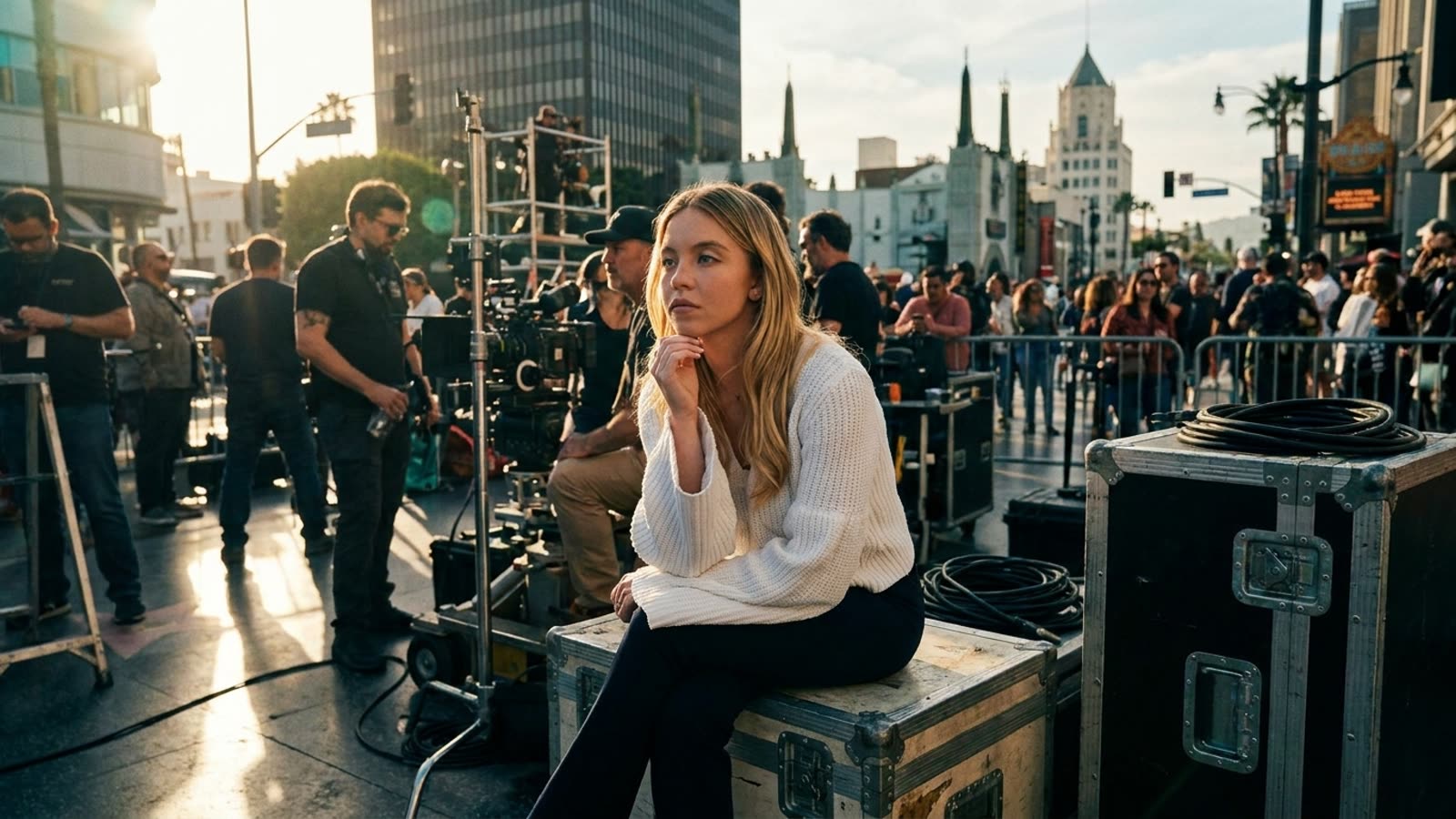
Every few months, the entertainment-industrial complex selects a young actress and subjects her to the peculiar indignity of forensic facial analysis. This spring, it's Sydney Sweeney's turn in the barrel.
The 28-year-old Euphoria and Anyone But You star has become the latest subject of the "then and now" treatment—side-by-side photographs parsed for evidence of surgical intervention, with strangers on the internet playing amateur detective about whether her cheekbones, lips, or jawline have been professionally adjusted. The discourse, such as it is, follows a predictable script: speculation presented as curiosity, judgment dressed up as concern, and a fundamental refusal to let famous women simply exist in their bodies without explanation.
The Anatomy of a Non-Story
What's remarkable about the Sweeney speculation is how little evidence supports it. The "before" photos typically date to her teenage years or early twenties; the "after" shots are from red carpets with professional lighting, makeup, and styling. The comparison methodology would fail a high school science class. Faces change between 18 and 28—that's called being alive. Makeup techniques evolve. Lighting matters enormously. None of this stops the cottage industry of transformation content from treating natural aging and improved glam squads as proof of secret procedures.
Sweeney herself has addressed cosmetic surgery rumors with characteristic directness, noting that she's never had work done and that the speculation says more about cultural expectations than about her face. She's right, of course, but being right has never stopped anyone from continuing the conversation.
The Double Bind
The cruelty of the celebrity beauty discourse lies in its perfect circularity. Look too different over time? You've obviously had work done. Look exactly the same? You've definitely had work done, just subtly. Admit to procedures? You're vain and fake. Deny them? You're lying and setting unrealistic standards. Age naturally? You've let yourself go. Fight aging? You're desperate and pathetic.
There is no winning move. The game is designed to ensure that famous women remain perpetually on trial for their appearances, forced to either confess to modifications or submit to endless speculation about their denials. It's a system that generates content—clicks, engagement, advertising revenue—while offering nothing of value to anyone involved.
The Economics of Scrutiny
This isn't merely a cultural phenomenon; it's a business model. "Good genes or good docs" content performs reliably well because it flatters audiences into believing they possess special insight while simultaneously reinforcing anxieties about their own appearances. It's aspirational and judgmental in equal measure, allowing viewers to feel both superior to celebrities who "cheat" and inadequate compared to those blessed with natural beauty.
The beauty and wellness industry benefits enormously from this discourse. Every speculation piece about celebrity procedures is effectively free advertising for cosmetic surgery, injectables, and skincare—normalizing intervention while pretending to critique it.
Our take
Sydney Sweeney's face is her own business. Whether she's had work done, plans to have work done, or intends to age without intervention is entirely irrelevant to her talent, her career, or her worth as a person. The obsession with cataloging and analyzing celebrity bodies reveals a culture deeply uncomfortable with female autonomy and pathologically invested in policing women's choices about their own appearances. Perhaps the more interesting question isn't whether Sweeney's cheekbones have changed—it's why we feel so entitled to an answer.