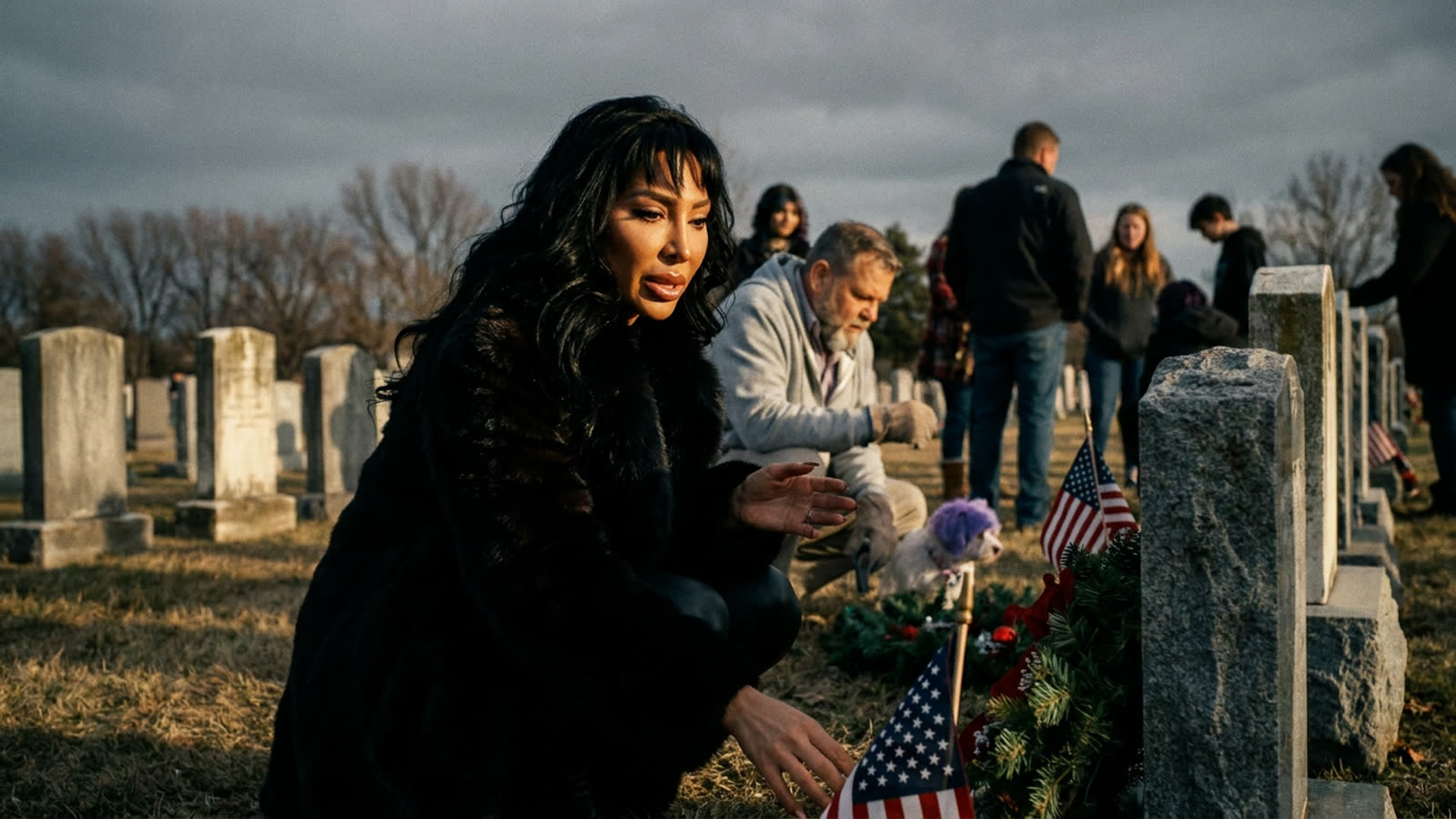
Farrah Abraham posted bikini photos this Memorial Day weekend, as she has done every Memorial Day weekend for the better part of a decade. The American flag print was predictable; the persistence is the actual story.
Abraham's MTV tenure ended in 2018, which in entertainment years might as well be the Mesozoic era. Yet here she is in 2026, still commanding enough attention that tabloids cover her swimwear choices, still generating the engagement metrics that keep her relevant to the algorithm, still occupying a strange middle ground between celebrity and civilian that didn't exist before social media invented it.
The post-reality career path
The traditional trajectory for reality television stars was brutal and brief: fifteen minutes of fame, a few club appearances, maybe a sex tape if you were ambitious, then obscurity. Abraham followed that playbook almost to the letter—including the adult entertainment detour—but something changed around 2015. Instagram created a parallel economy where fame itself became the product, and suddenly the question wasn't whether audiences wanted to see more of you but whether advertisers would pay to reach whoever was still watching.
Abraham has monetized this liminal space with remarkable tenacity. Her social media presence, while nowhere near Kardashian scale, maintains the kind of steady engagement that sustains mid-tier influencer income. She appears on enough podcasts and reality adjacent projects to keep her name searchable. The bikini content—seasonal, predictable, controversy-adjacent—functions less as entertainment than as proof of life, a quarterly earnings report for her personal brand.
The attention economy's long tail
What Abraham represents is the democratization of celebrity's afterlife. In previous eras, fading stars either reinvented themselves through legitimate artistic work or disappeared entirely. Now there's a third option: maintain just enough visibility to remain commercially viable without ever quite mattering again. It's not glamorous, but it's sustainable.
The Memorial Day timing is instructive. Holiday weekends are content dead zones for serious news, which means tabloids need filler. Abraham provides it reliably, year after year, asking nothing in return except that her name stay in circulation. It's a symbiotic relationship that benefits everyone except perhaps the audience, who must periodically be reminded that Farrah Abraham exists.
Our take
There's something almost admirable about Abraham's refusal to fade gracefully into obscurity. She understood, earlier than most, that the attention economy doesn't distinguish between admiration and rubbernecking—it only counts clicks. Her Memorial Day bikini posts aren't desperate bids for relevance; they're shrewd maintenance of a small but durable media footprint. Whether that constitutes success depends entirely on how you define the term.