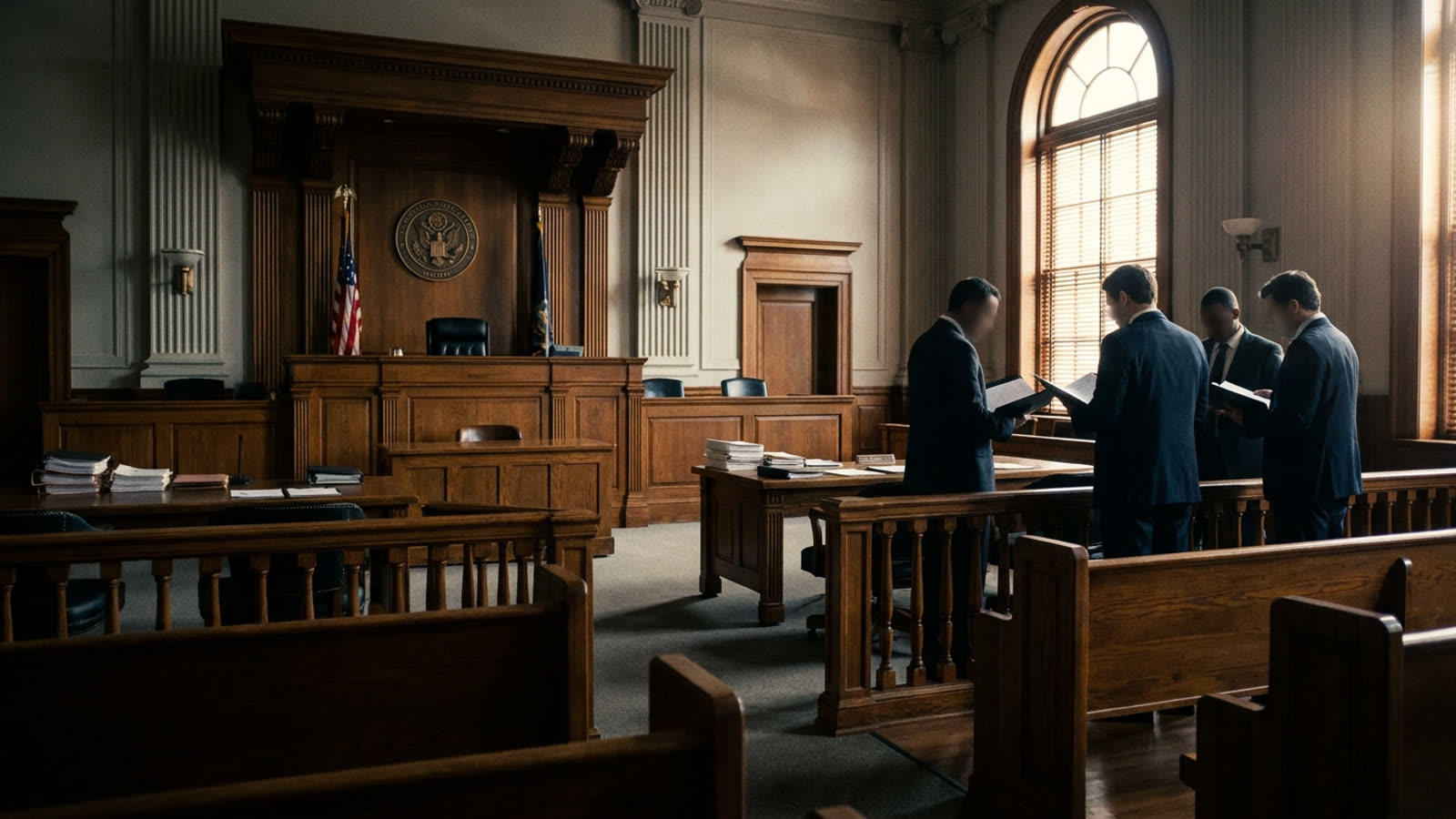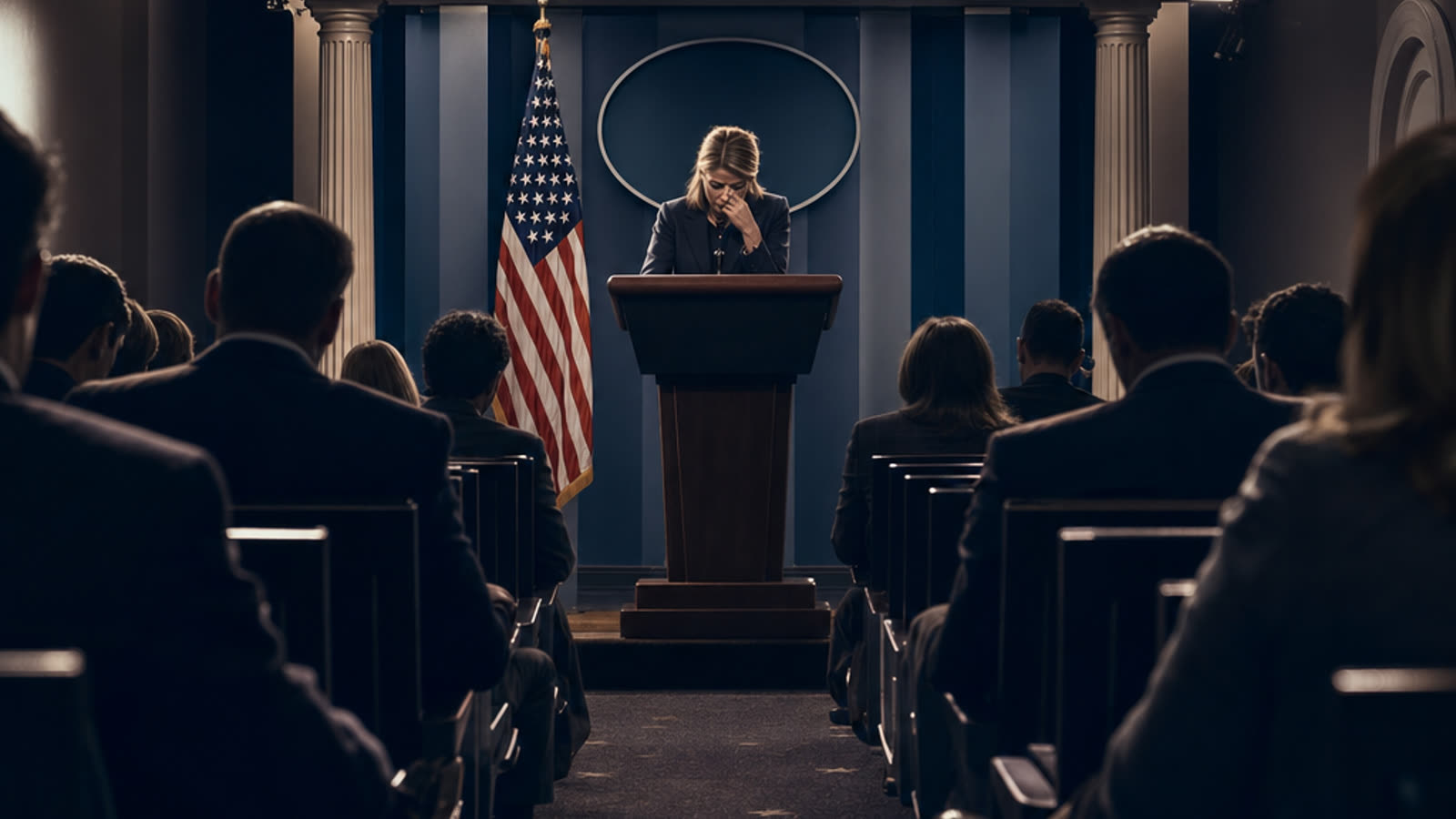
The nine justices of the United States Supreme Court have discovered something that any first-year associate at a white-shoe firm could have told them: listening to lawyers talk is exhausting. Multiple justices have now voiced frustration with oral arguments that routinely stretch past two hours, a development that would be merely amusing if the court were not simultaneously hurtling toward a series of confrontations with an executive branch that has signaled unprecedented contempt for judicial authority.
The complaints are real enough. Justice Elena Kagan has noted that extended arguments leave the bench "ichaussted." Justice Neil Gorsuch has questioned whether the current format serves anyone well. Chief Justice John Roberts, ever the institutionalist, has made noises about reform. The court's pre-2019 norm of one hour per case has ballooned as justices pepper advocates with hypotheticals, often talking past each other in what resembles less a Socratic dialogue than a nine-way cable news panel.
The fatigue is a symptom, not the disease
The longer arguments reflect a court that has lost confidence in its own coherence. When justices trust their colleagues to reason consistently, they need fewer questions to locate the fault lines. When they don't—when each case feels like a fresh negotiation among nine separate sovereigns—every minute of oral argument becomes an opportunity to stake out positions, send signals, and preemptively rebut anticipated dissents. The verbosity is a symptom of ideological fragmentation masquerading as judicial engagement.
This would matter less if the court's docket were filled with patent disputes and boundary-line cases. It is not. The final weeks of the current term will deliver rulings on executive power, administrative authority, and the limits of presidential immunity—each carrying implications for whether the Trump administration's most aggressive assertions of unilateral power will face meaningful legal constraint.
The White House isn't waiting
President Trump has made little secret of his view that Supreme Court rulings represent suggestions rather than commands. His administration has slow-walked compliance with unfavorable decisions, floated theories of departmentalism that would render judicial review largely ceremonial, and cultivated a political base that views the federal judiciary as just another faction to be defeated rather than an institution to be respected. The court's legitimacy depends on voluntary compliance by the political branches; that compliance is no longer guaranteed.
The justices know this. Their fatigue with oral arguments may reflect not just procedural bloat but the psychological weight of issuing rulings that might simply be ignored. A court that suspects its orders will be defied has every incentive to deliberate longer, hedge more carefully, and hope the hardest cases resolve themselves before judgment day.
Our take
The Supreme Court's oral-argument problem is the institutional equivalent of rearranging deck chairs. Shaving thirty minutes off a patent case will not restore public faith in an institution that has become indistinguishable from a third political branch in the eyes of half the country. The justices are tired because they are being asked to do something the Constitution never quite anticipated: serve as the last line of defense for democratic norms while one of the two elected branches openly questions whether they have any authority at all. That is not a scheduling problem. It is an existential one, and no amount of procedural tinkering will make it go away.