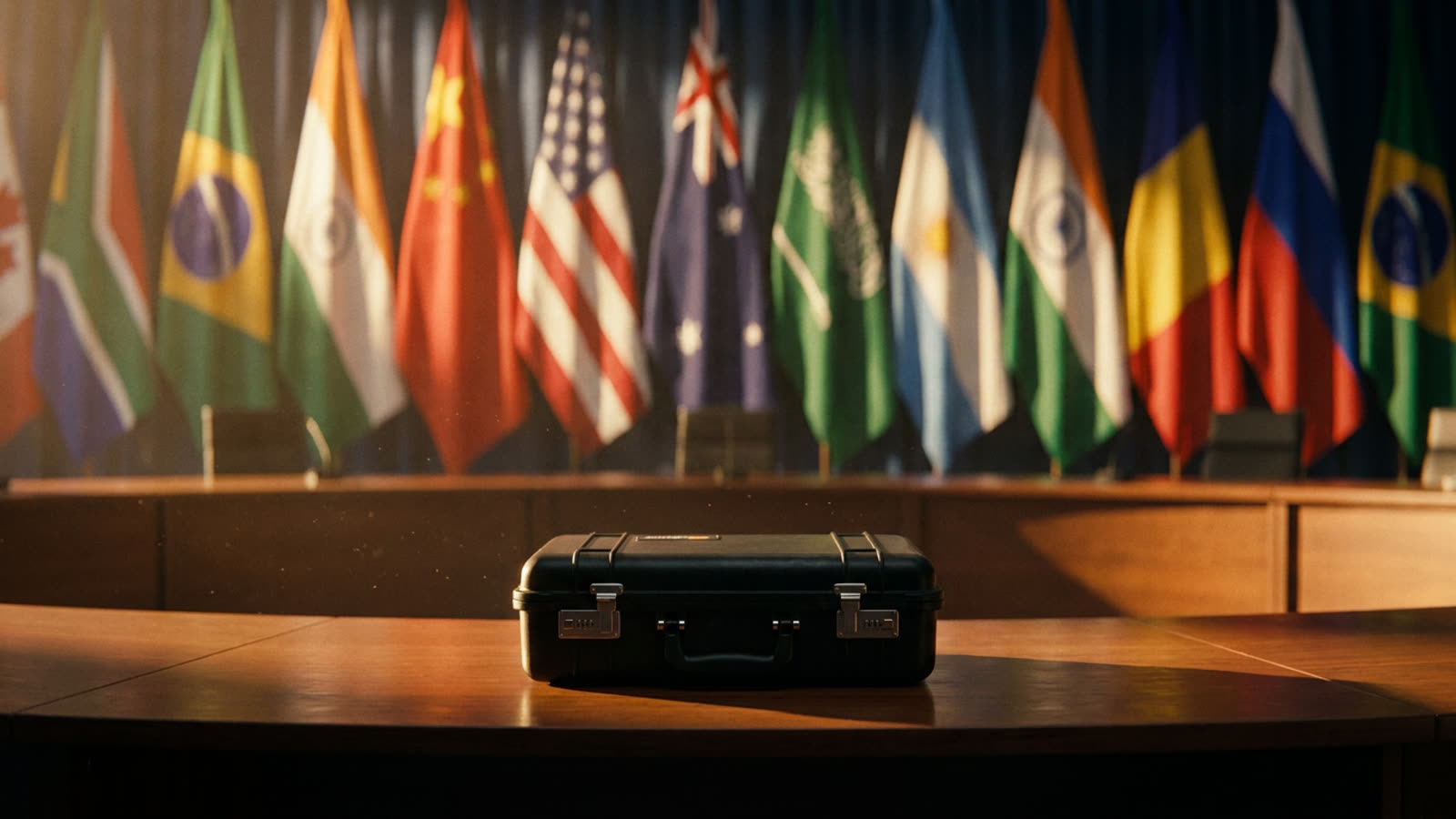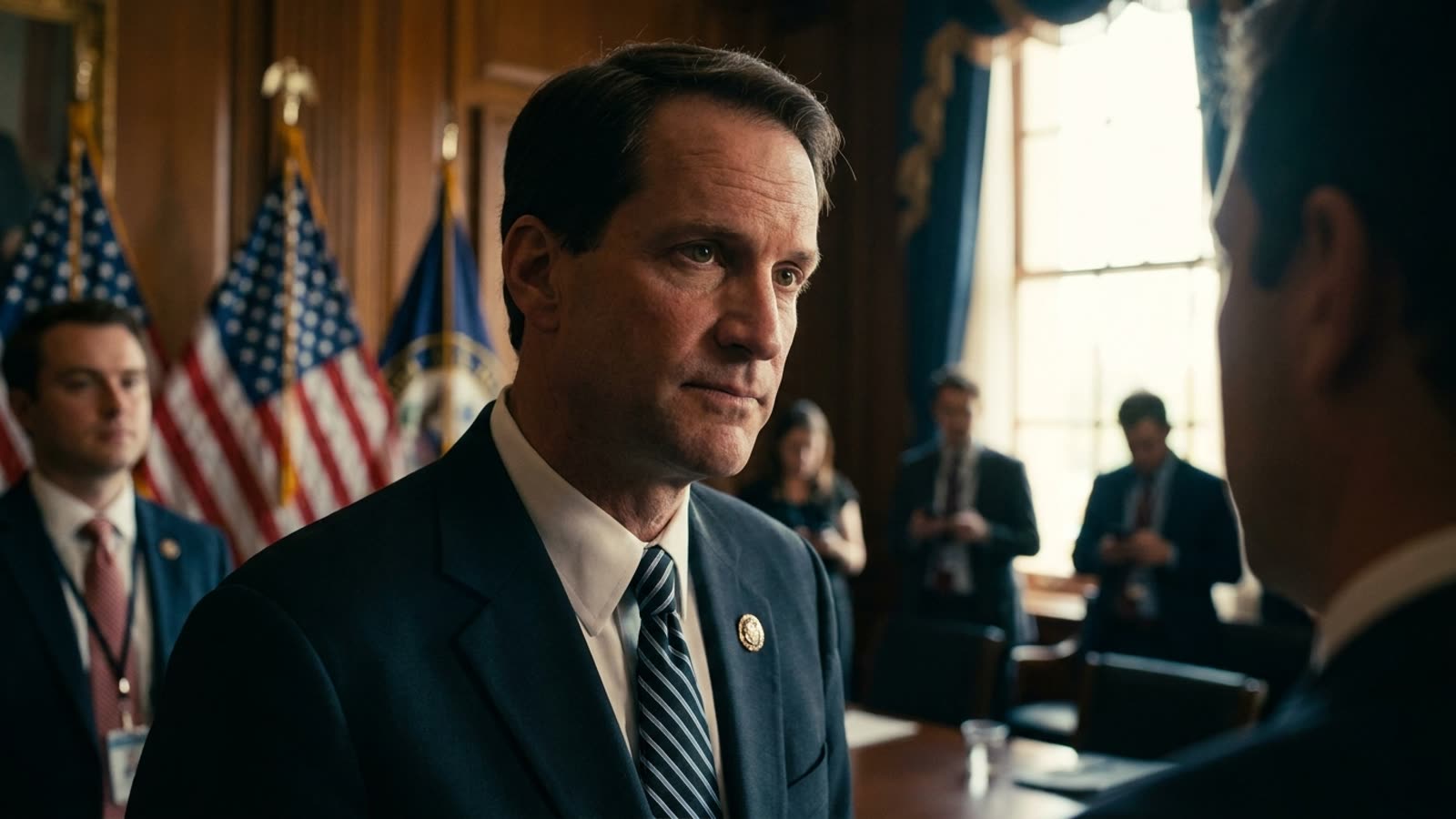
The Republican foreign policy establishment is experiencing something close to vertigo. After three months of military engagement with Iran—airstrikes, naval skirmishes, and chest-thumping rhetoric about bringing the regime to its knees—President Trump appears ready to declare victory and go home with a deal that his own party's hawks consider dangerously inadequate.
The anxiety coursing through GOP national security circles this week is not merely ideological. It represents a genuine fear that Trump, motivated by domestic political considerations and his instinct for the dramatic gesture, is about to squander whatever leverage the conflict generated in exchange for a framework agreement that leaves Iran's regional ambitions largely intact.
The hawk's dilemma
For decades, Republican foreign policy orthodoxy held that Iran could only be contained through sustained pressure: crippling sanctions, diplomatic isolation, and the credible threat of military force. The party's national security mandarins—many of whom served in the Bush and first Trump administrations—built careers on this premise.
Now they find themselves in an impossible position. Criticizing a Republican president's foreign policy in wartime risks accusations of disloyalty. But remaining silent means watching the very principles they championed get traded away. Several prominent GOP senators have begun making carefully worded statements expressing "concerns" about the pace of negotiations—Washington's polite way of screaming into a pillow.
The specific worry centers on verification mechanisms. The emerging framework reportedly requires Iran to surrender enriched uranium stockpiles but offers limited inspection protocols for military sites where weapons development could resume. Hawks argue this replicates the fatal flaw of the Obama-era JCPOA that Trump himself spent years denouncing.
The political calculus
Trump's apparent eagerness to close a deal reflects several converging pressures. The conflict has contributed to persistent inflation, with energy prices remaining elevated despite efforts to stabilize oil markets. His approval ratings on economic management—historically his strongest suit—have softened. And the administration faces a Supreme Court term that could deliver several unfavorable rulings, making a foreign policy triumph politically useful.
There is also Trump's well-documented attraction to the grand bargain, the handshake photograph, the Nobel Prize speculation. His 2019 overtures to North Korea's Kim Jong Un demonstrated both the appeal and the limitations of this approach: dramatic summits produced memorable images but no lasting denuclearization.
Iranian negotiators, who have survived decades of American pressure campaigns, appear to understand this dynamic perfectly. They are offering just enough to let Trump claim victory while preserving the regime's core strategic capabilities.
Our take
The hawks are right to worry, though perhaps not for the reasons they articulate. The problem is not that Trump is insufficiently bellicose—three months of strikes have already demonstrated American military reach. The problem is that he entered this conflict without a coherent theory of what "winning" would require, and now finds himself improvising an exit. Iran's leadership, whatever its other failings, has spent forty-five years outlasting American presidents. They are betting they can outlast this one too.