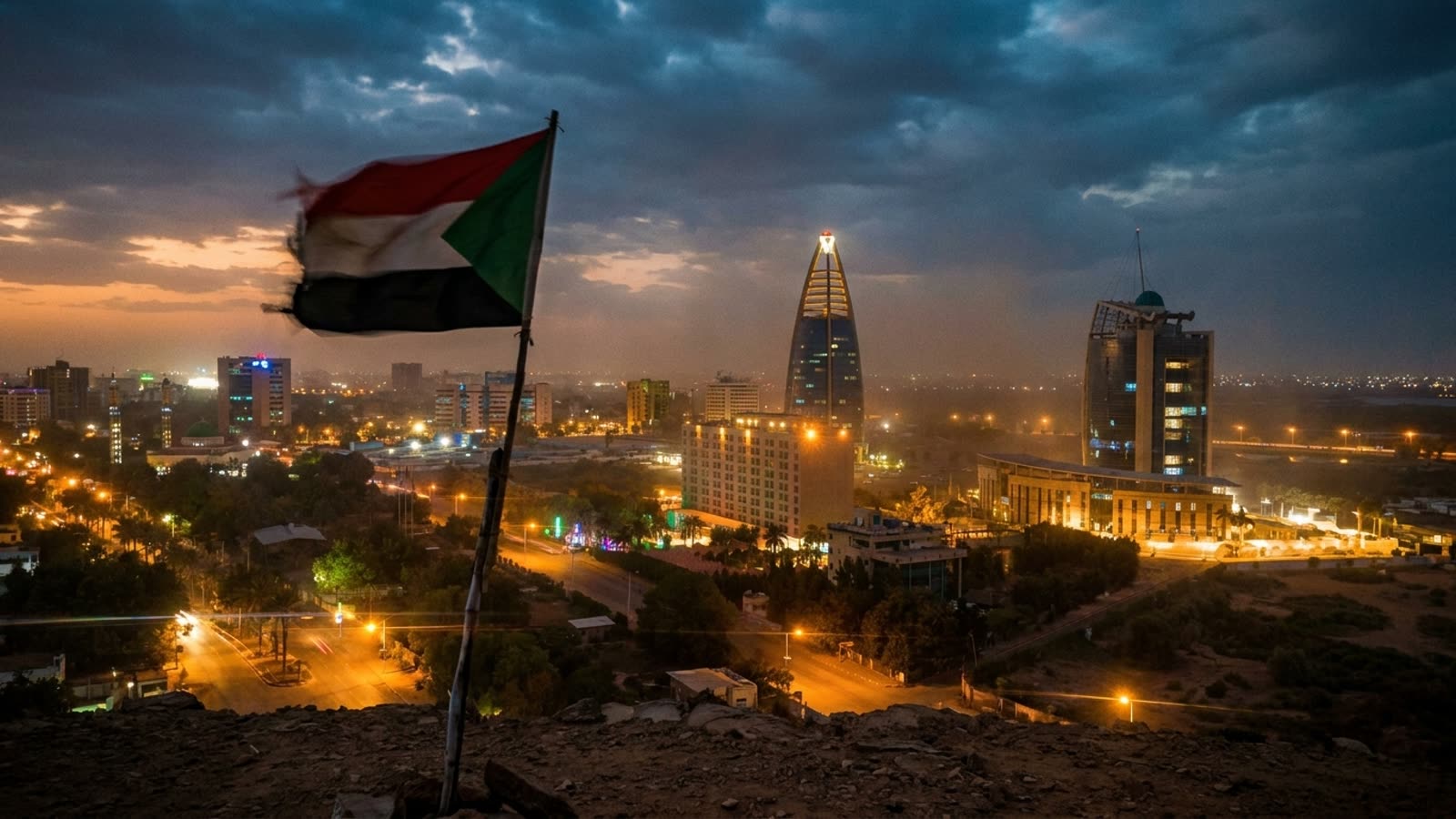
Sudan was already dying before the first American missile struck Iranian soil. Three years of civil war between the Sudanese Armed Forces and the Rapid Support Forces had displaced ten million people, collapsed the health system, and pushed the country into what the United Nations called the world's worst hunger crisis. Then Washington decided to fight Iran, and the last arteries keeping Sudanese civilians alive began to close.
The Iran conflict has transformed the Red Sea from a commercial highway into a combat zone. Shipping insurers have balked. Freight rates for vessels willing to transit the region have multiplied. Humanitarian cargo that once moved through Port Sudan now languishes in warehouses in Djibouti and Jeddah, waiting for security windows that rarely open. The World Food Programme, already operating on a fraction of the funding it needs, has seen its per-ton delivery costs spike at precisely the moment donor governments are diverting emergency budgets toward Middle Eastern reconstruction pledges.
The arithmetic of starvation
Sudan imports the vast majority of its wheat and cooking oil. Before the Iran war, those shipments arrived erratically, hostage to the civil conflict's shifting front lines. Now they barely arrive at all. The Sudanese pound, already in free fall, has cratered further as the regional economy absorbs war shocks. Families who could once afford a sack of sorghum are now choosing which child eats today.
The famine is concentrated in Darfur and Kordofan, regions the international community swore to protect two decades ago and has since largely forgotten. Aid workers describe conditions that meet the technical definition of famine in multiple localities—a designation the UN has been reluctant to formally declare, in part because doing so would obligate responses that no major power seems prepared to fund.
Washington's blind spot
The Biden administration justified the Iran intervention partly on humanitarian grounds: Tehran's proxies, the argument went, were destabilizing the Middle East and threatening civilian populations across the region. That logic has not extended to Sudan. The State Department's public statements on the Horn of Africa have been perfunctory, and the administration's supplemental funding requests to Congress have prioritized munitions over mercy.
There is a grim irony in this. The same shipping chokepoints that make the Red Sea strategically vital to American planners are the ones whose closure is killing Sudanese children. The war's architects understood that Iran could threaten global commerce through the Strait of Hormuz; they appear not to have modeled what happens when the entire Red Sea corridor becomes contested space for months on end.
Our take
American foreign policy has always been selective about which suffering counts. Sudan's famine will not feature in the Iran deal's victory lap, assuming one materializes. It will not be mentioned in the campaign ads or the presidential memoirs. But it is as much a consequence of this war as any crater in Isfahan. The United States chose to fight in a region whose geography connects everything, then acted surprised when the damage radiated outward. Twenty-five million people are now living with the results of that choice. The least Washington could do is notice.