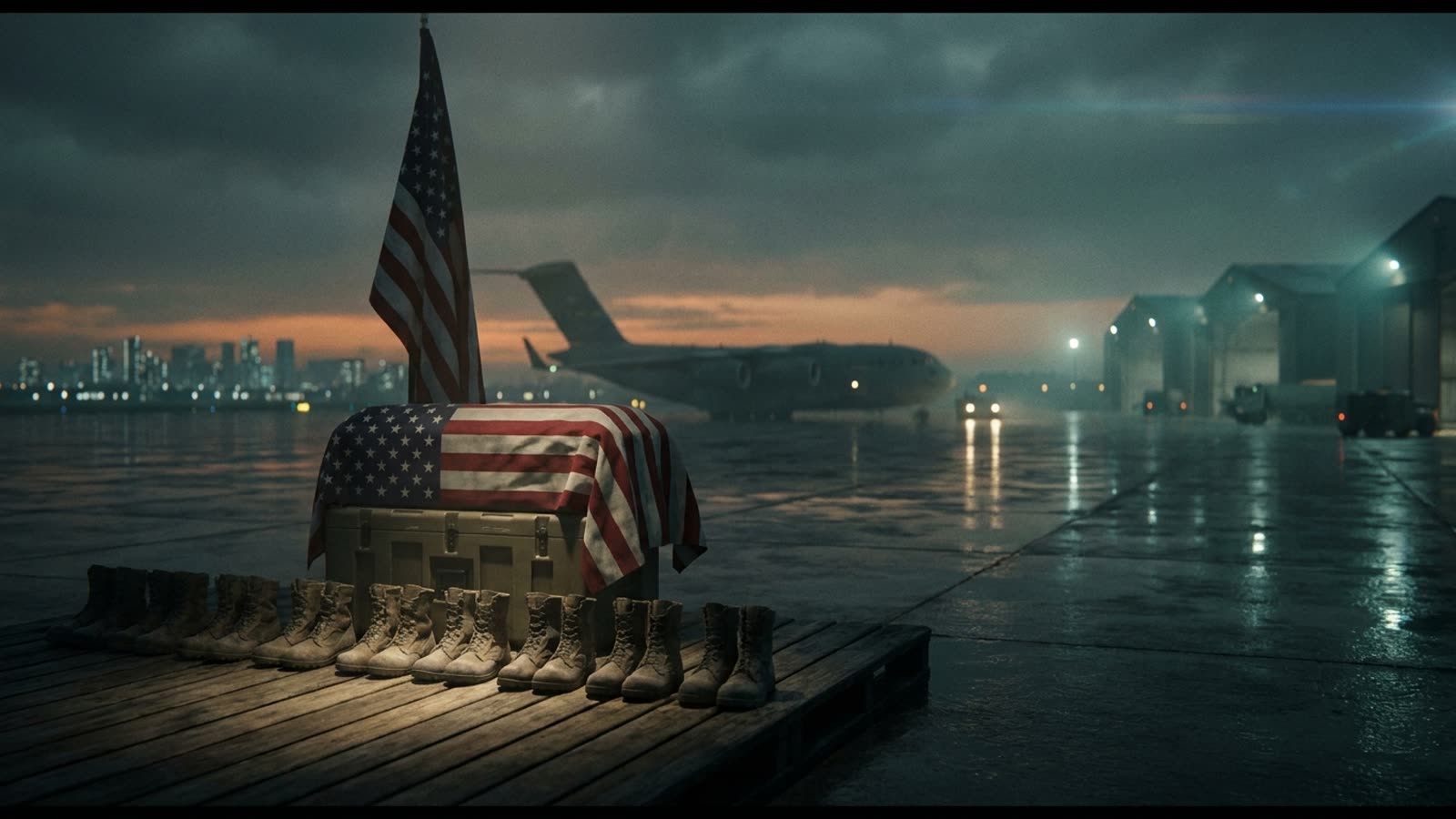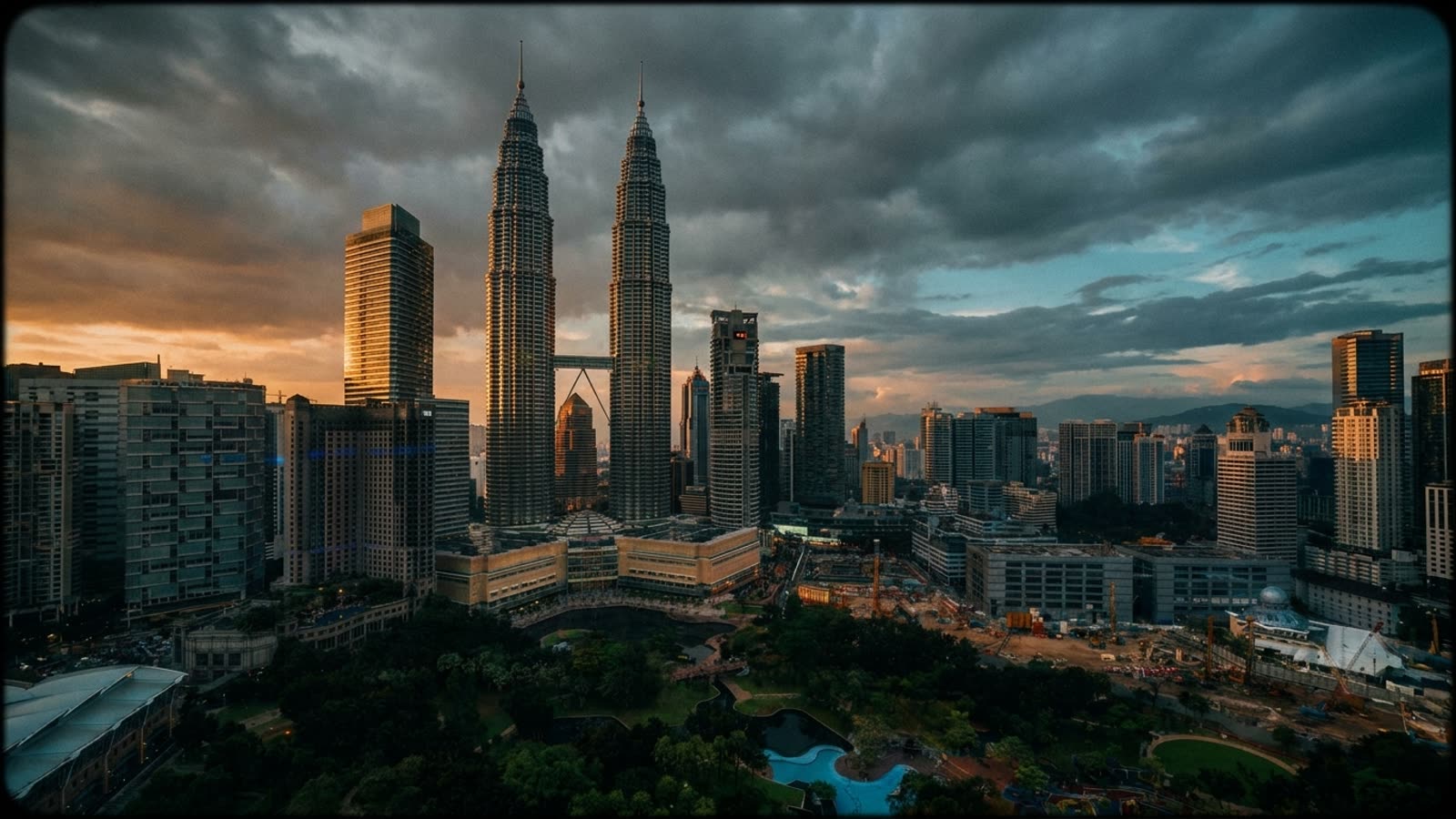
The war between the United States and Iran has produced no shortage of dramatic footage from the Persian Gulf, but some of its most consequential effects are unfolding in factory towns thousands of miles away. Malaysia, a country with no stake in Middle Eastern geopolitics and no dog in the fight over uranium enrichment, is now tallying the cost of a conflict it could neither prevent nor escape.
Kuala Lumpur reported this week that key industries—semiconductors, petrochemicals, palm oil processing—are experiencing disruptions that range from inconvenient to existential. The problem is not ideology but geography and physics: when tanker insurance rates quintuple and shipping lanes become contested territory, the math of export-driven manufacturing stops working.
The semiconductor squeeze
Malaysia accounts for roughly 13% of global semiconductor packaging and testing capacity, a niche that sounds obscure until you remember that nearly every electronic device on Earth passes through some version of this supply chain. The country's chip facilities depend on imported specialty gases, many of which originate in or transit through conflict-affected regions. Spot prices for certain neon and xenon blends have risen by triple digits since hostilities intensified, and some Malaysian fabs are now rationing production rather than paying market rates that would render their output uncompetitive.
The downstream effects are already visible. Lead times for automotive chips have extended again after two years of post-pandemic normalization, and consumer electronics manufacturers are warning of holiday-season shortages that will look familiar to anyone who tried to buy a PlayStation in 2021.
Palm oil and the Strait of Hormuz
Malaysia is the world's second-largest palm oil producer, and while the commodity itself has nothing to do with Iran, the tankers that carry it increasingly do. Vessels that once transited the Strait of Hormuz en route to European and Middle Eastern buyers are now taking longer, more expensive routes around the Cape of Good Hope, or simply refusing the journey altogether. Freight costs have eaten into margins that were already thin, and some smaller Malaysian palm oil exporters have begun exploring barter arrangements with regional buyers rather than accepting the risk of ships stranded in war zones.
The neutrality illusion
Malaysian officials have been scrupulously neutral in their public statements, a posture that reflects both genuine non-alignment and a pragmatic recognition that the country does significant business with all parties to the conflict. But neutrality, it turns out, is a diplomatic stance rather than an economic shield. Global supply chains do not respect declarations of non-involvement; they respond to insurance premiums, fuel costs, and the willingness of ship captains to sail through waters where missiles have recently landed.
Our take
Malaysia's predicament is a reminder that modern wars are fought on balance sheets as much as battlefields. The country did everything right by the conventional playbook—diversified its economy, invested in high-value manufacturing, maintained cordial relations with major powers—and is now absorbing costs imposed by decisions made in Washington and Tehran. If there is a lesson here, it is that economic interdependence cuts both ways: it can deter conflict by raising the stakes, or it can simply ensure that when conflict comes, the damage spreads further than anyone intended.