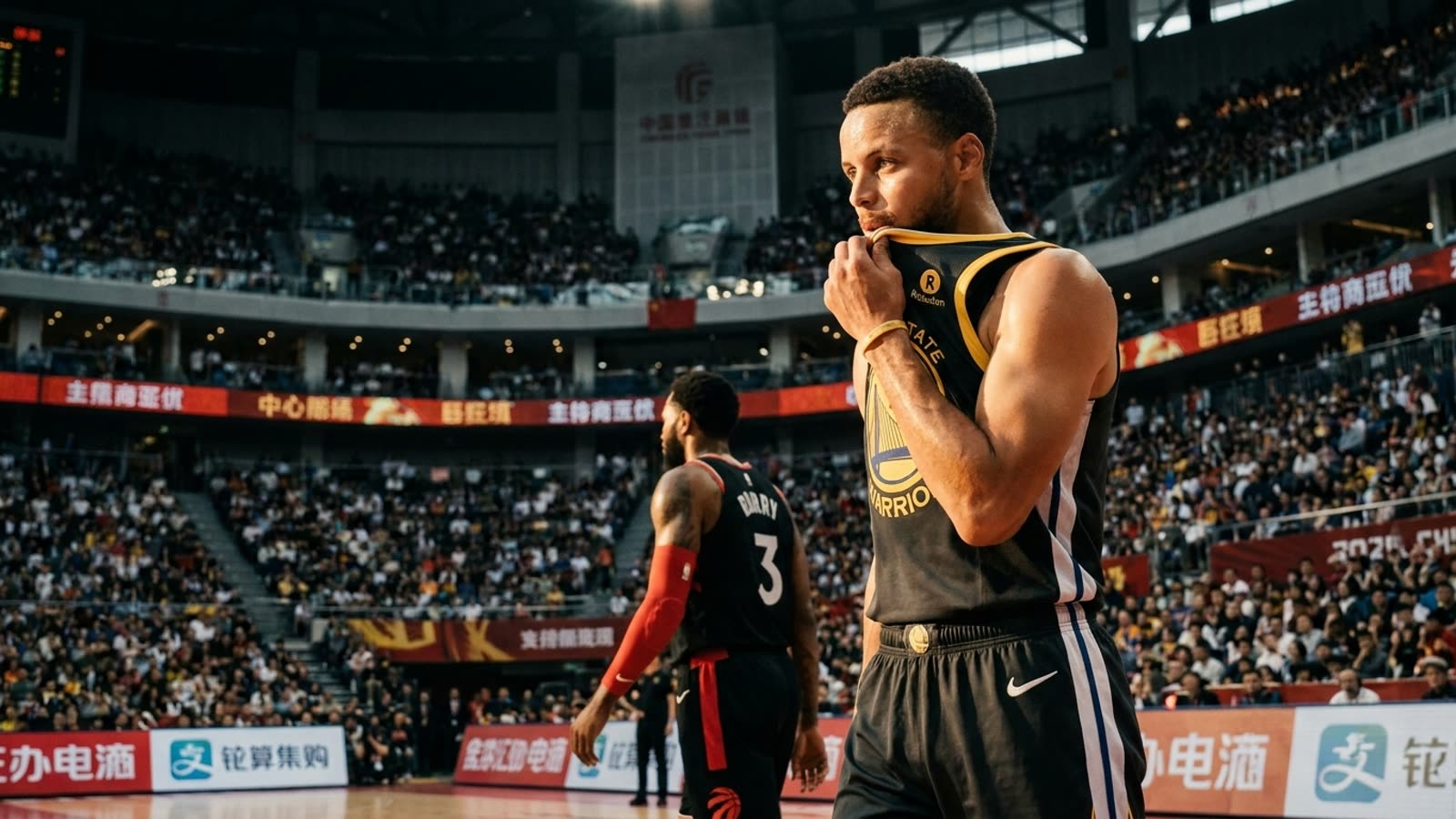
Stephen Curry, the most influential shooter in basketball history, has ended his search for a new sneaker partner by signing with Li-Ning, the Chinese sportswear giant. It is a decision that would have seemed unthinkable five years ago and now feels almost inevitable.
The 38-year-old guard spent the better part of a decade as the face of Under Armour's basketball division, a relationship that produced signature lines, equity stakes, and the persistent question of whether the Baltimore-based brand could ever truly compete with Nike and Adidas for cultural supremacy. The answer, ultimately, was no. Under Armour's basketball ambitions have quietly receded, and Curry—still among the league's most marketable players despite entering the twilight of his career—found himself a free agent in the sneaker marketplace at a peculiar moment.
Why Li-Ning makes sense
The Chinese market has long been basketball's most valuable international frontier. Curry's popularity in China rivals his domestic appeal; his Warriors jerseys sell briskly in Shanghai, and his shooting clinics draw thousands. Li-Ning, founded by the legendary Olympic gymnast, has spent years positioning itself as a legitimate performance brand rather than a budget alternative. The company already boasts Dwyane Wade's post-retirement line and has invested heavily in basketball technology and design talent poached from Western competitors.
For Curry, the calculus is straightforward. Nike was never going to offer him the centerpiece treatment it reserves for LeBron James and the Jordan Brand stable. Adidas has its own crowded roster. Li-Ning can give him something no American company would: undivided attention in the world's largest consumer market, creative control, and likely an equity component that treats him as a partner rather than a pitchman.
The geopolitical backdrop
This is not happening in a vacuum. American athletes signing with Chinese brands invites scrutiny in an era of heightened trade tensions and congressional hearings about sports' entanglement with Beijing. Curry has historically avoided political controversy, but this deal will force questions he has not previously had to answer. Li-Ning is not a state-owned enterprise, but its success is inseparable from Chinese industrial policy and domestic consumer nationalism. Whether Curry has considered these dimensions—or simply followed the money—remains unclear.
What it means for the sneaker wars
The American sneaker market has been a closed shop for decades, with Nike controlling roughly two-thirds of basketball footwear sales and everyone else fighting for scraps. Curry's departure from that ecosystem, however symbolic, suggests the moat may be narrowing. If a player of his stature concludes that his best commercial future lies outside the traditional American brands, others will take note. Younger players with strong international followings—particularly in Asia—may increasingly view Chinese partnerships as viable alternatives rather than consolation prizes.
Our take
Curry is making a business decision, and probably a shrewd one. He is too old to rebuild a signature line from scratch with a struggling American brand and too proud to accept a secondary role at Nike. Li-Ning offers him a throne, and thrones are hard to find at 38. The geopolitical optics are messy, but athletes have never been required to double as trade policy analysts. What this deal really reveals is simpler: the American sneaker industry's grip on basketball's commercial imagination is loosening, one signature at a time.