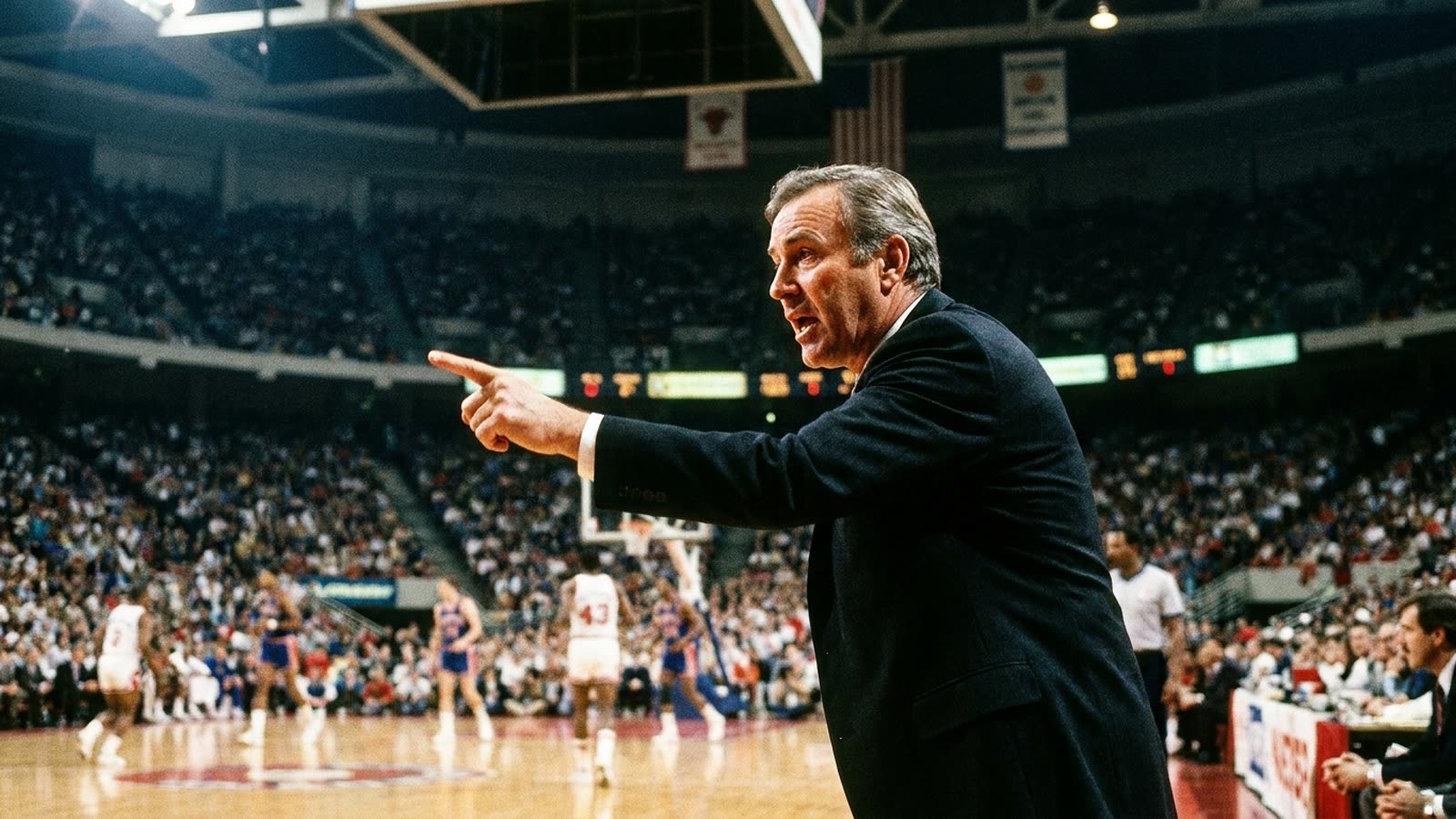
Rick Adelman spent three decades proving that basketball could be both efficient and gorgeous, that the right pass was always more satisfying than the contested shot. His death at 79 closes a chapter on a coaching philosophy that prioritized intelligence over athleticism, timing over talent, and collective movement over individual brilliance.
Adelman won 1,042 games across stints with Portland, Golden State, Sacramento, Houston, and Minnesota, making him one of only nine coaches to reach that threshold. But the numbers undersell his contribution. In Sacramento from 1998 to 2006, he transformed a franchise that had been professional basketball's punchline into something approaching art. Those Kings teams—with Chris Webber, Vlade Divac, Peja Stojaković, and Mike Bibby—ran a modified Princeton offense that turned every possession into a five-man puzzle. They finished second in offensive efficiency four consecutive seasons while playing a style that made purists weep with joy.
The championship that wasn't
Adelman's legacy remains shadowed by 2002, when his Kings lost a seven-game Western Conference Finals to the Lakers in a series still debated for its officiating. Game 6, in which Sacramento shot 15 free throws to Los Angeles's 40, prompted an FBI investigation and remains a wound that never fully healed. Adelman, characteristically, declined to litigate it publicly. He simply returned to work.
That restraint defined him. In an era of sideline theatrics, Adelman stood with arms folded, occasionally calling a play, mostly trusting his players to read and react. He was inducted into the Naismith Memorial Basketball Hall of Fame in 2021, a recognition that arrived late but acknowledged what his peers had long known: few coaches understood the geometry of the game better.
The lineage
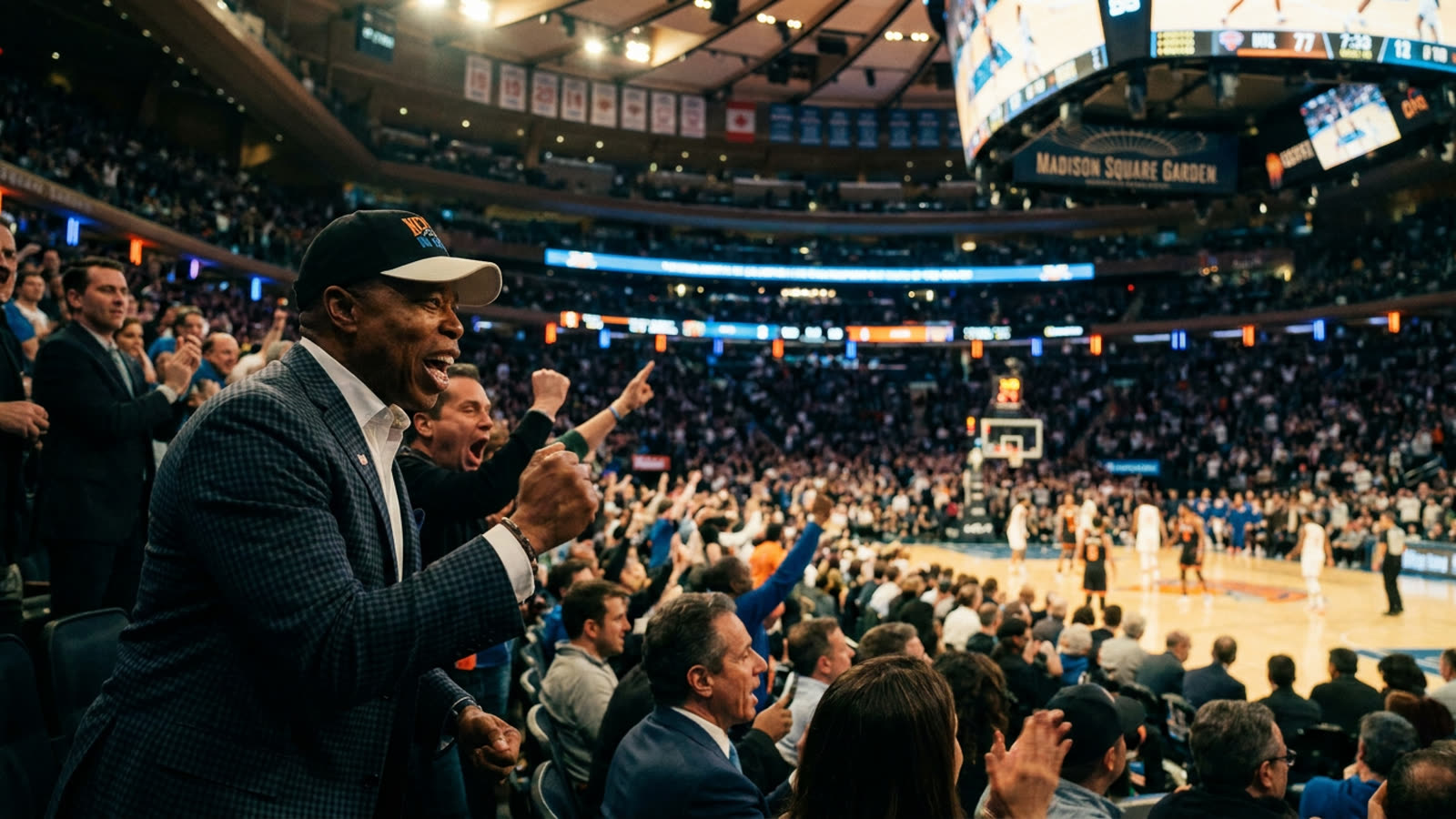
Today's NBA—with its emphasis on spacing, cutting, and read-and-react offense—owes Adelman more than it typically acknowledges. The Warriors dynasty, the Spurs' beautiful game, the current Knicks' motion offense all carry DNA from those Sacramento teams. Steve Kerr has cited Adelman's Kings as an influence. The modern game's best offenses are, in many ways, the Princeton offense with better shooting.
Adelman also proved that coaching longevity didn't require volatility. He was fired only once in his career, by Golden State in 1997, and otherwise left jobs on his own terms or by mutual agreement. He retired in 2014 to care for his wife, Mary Kay, who was battling dementia. She died in 2016.
Our take
Adelman never got his ring, and the basketball discourse machine tends to reduce coaches to championship counts. But his influence is everywhere in the modern game, embedded in every swing-swing-corner-three sequence that makes fans gasp. He coached basketball the way he lived: without unnecessary noise, with profound respect for the craft, and with the understanding that the best individual play is usually the one that makes your teammate better. The NBA's quiet revolutionary deserved more trophies. He'll have to settle for having changed how the game is played.