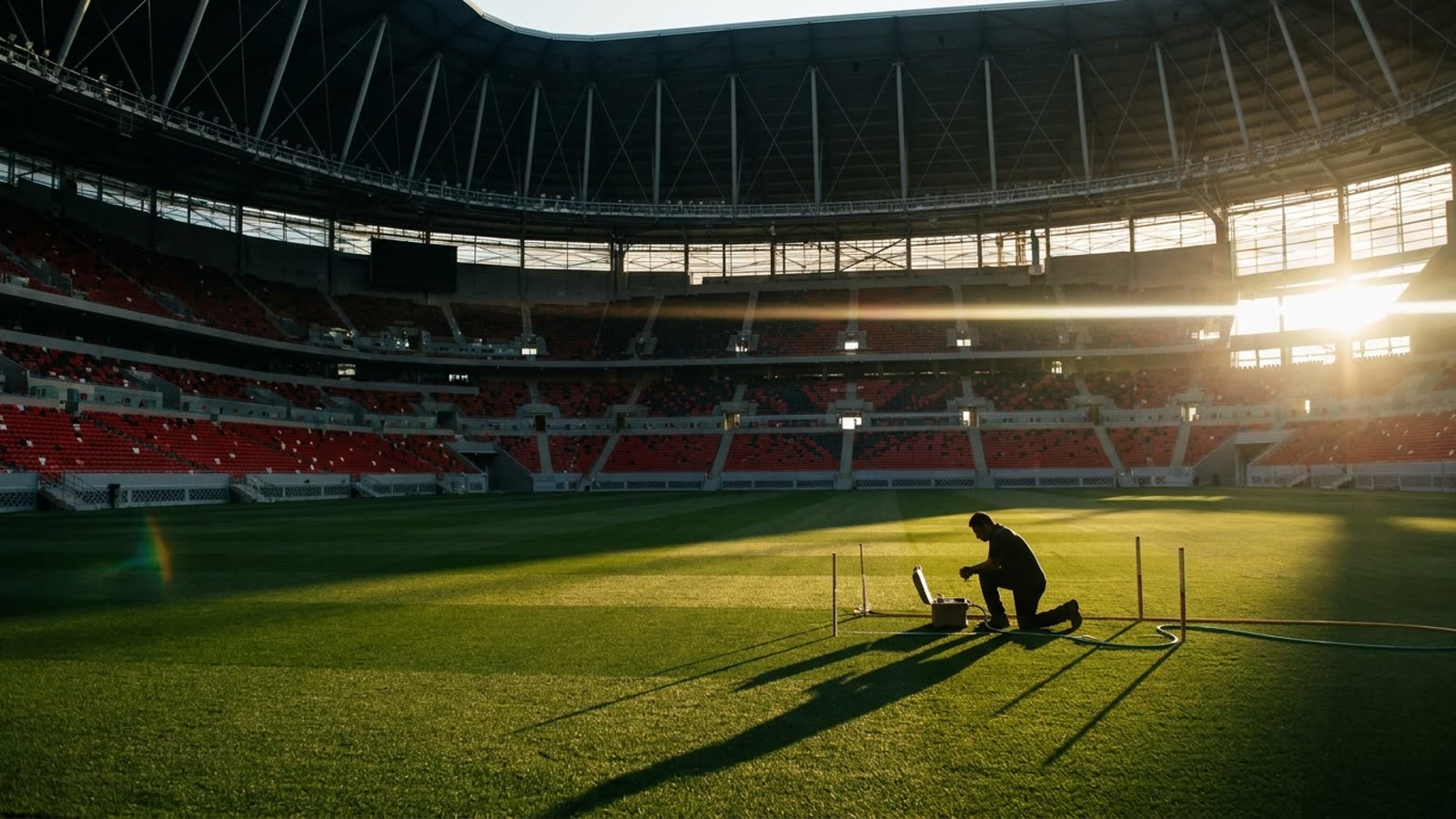
The players will collect the glory, the coaches the scrutiny, and the referees the abuse. But the person most responsible for whether the 2026 World Cup produces beautiful football or a festival of bobbling passes and twisted ankles is someone most viewers will never see: the tournament's head groundskeeper.
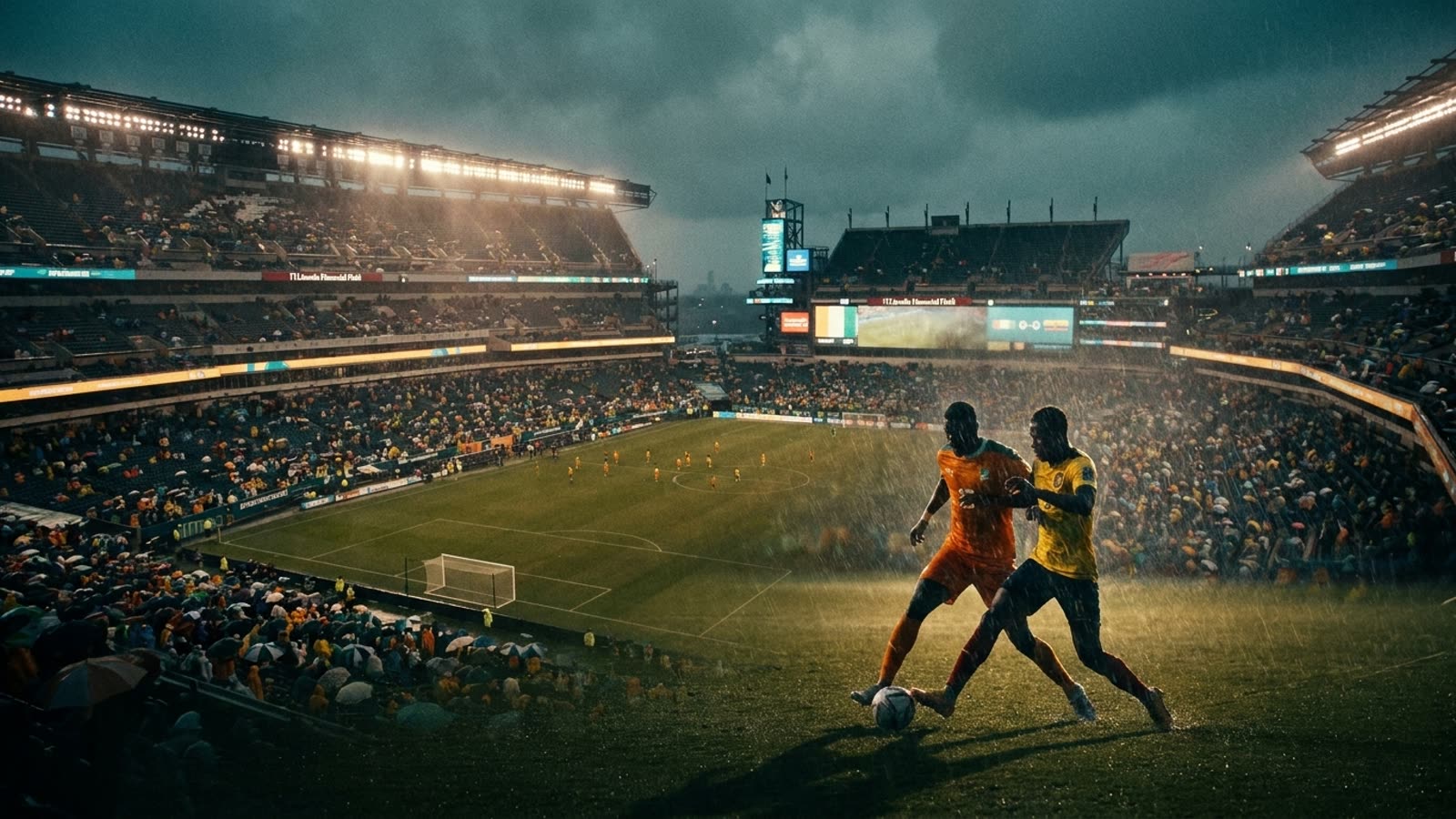
At a World Cup staged across eleven American venues—from the desert heat of Los Angeles to the humidity of Miami—the challenge of maintaining consistent, elite-level playing surfaces has never been more complex. The grass beneath Lionel Messi's boots and Kylian Mbappé's sprints is not a passive backdrop; it is an active participant in every match, determining ball speed, player safety, and tactical possibility.
The science of the perfect pitch
Modern World Cup turf management bears little resemblance to the groundskeeping of previous generations. Today's pitch masters deploy soil sensors measuring moisture at multiple depths, GPS-guided mowers cutting to millimeter precision, and grow lights that can simulate twelve hours of sunlight inside a domed stadium. The grass itself is typically a hybrid system—natural turf reinforced with synthetic fibers stitched into the root zone—designed to withstand the punishment of elite athletes while draining quickly and recovering from divots.
The variables are relentless. A venue hosting back-to-back matches needs grass that can regenerate in under seventy-two hours. A stadium with a retractable roof creates microclimates that shift hourly. A pitch that plays fast in the group stage might slow dangerously by the knockout rounds if not managed precisely. The turf master must anticipate all of it, adjusting irrigation schedules, fertilization timing, and mowing heights based on weather forecasts, match schedules, and the specific demands of the teams involved.
Why it matters more than ever
The 2026 tournament's expanded forty-eight-team format means more matches, more wear, and less recovery time between games at each venue. Several American stadiums were built primarily for NFL football, with artificial surfaces that must be replaced with natural grass grown off-site and trucked in on massive pallets. The logistical complexity is staggering: a single pitch requires roughly nine thousand square meters of living grass, transported, installed, and acclimated in days.
Player unions have grown increasingly vocal about surface quality, citing studies linking poor pitch conditions to soft-tissue injuries. A World Cup played on substandard grass would not only diminish the spectacle but expose FIFA to criticism from its most valuable assets—the players themselves.
Our take
There is something quietly beautiful about a profession devoted to creating the conditions for others to shine. The turf master's work is invisible when done well and catastrophic when done poorly, which is perhaps the purest definition of essential infrastructure. As the world watches goals and saves and heartbreak over the coming weeks, spare a thought for the person who made sure the ball rolled true and the knees stayed intact. The grass is not just grass. It is the canvas.