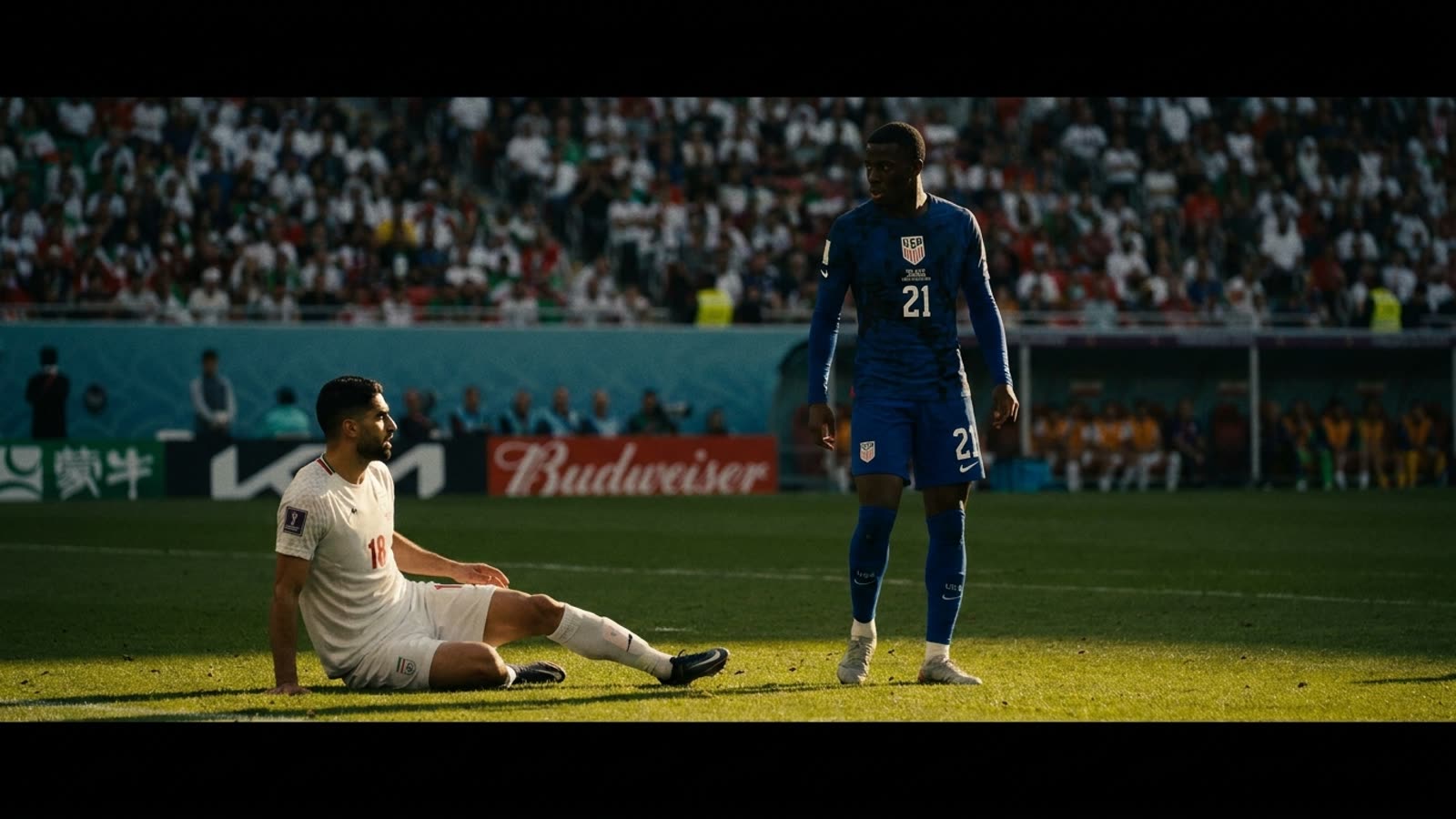
The scoreline read 1-1, but the real number that matters is zero — as in zero margin for error remaining for two nations who entered the World Cup with genuine ambitions of reaching the quarterfinals. Japan and the Netherlands, meeting Saturday in Houston's NRG Stadium, produced a match that was technically proficient, occasionally thrilling, and ultimately inconclusive in the worst possible way for both sides.
Neither team can afford another slip.
A tale of two halves, neither dominant
The Netherlands controlled possession through the opening forty-five minutes with the methodical patience that has defined Dutch football for generations, yet created precious little against Japan's disciplined mid-block. The Oranje's goal came from a set piece — always the refuge of teams struggling to break down organized defenses — and even then required a deflection to beat the otherwise excellent Japanese goalkeeper.
Japan's equalizer, arriving twelve minutes into the second half, was everything the Dutch goal was not: a fluid, rapid transition that moved through five players in under eight seconds before the finish. It was a reminder that this Japanese side, built on technically gifted players scattered across Europe's top leagues, can hurt anyone when given space to operate.
The final thirty minutes devolved into what coaches euphemistically call "game management" — both sides seemingly calculating that a point was preferable to the risk of conceding a late winner. The crowd, a mix of orange-clad Dutch supporters and Japanese fans who had traveled from across North America, grew restless. They had paid for drama and received arithmetic.
The Group F permutations
With results from the group's other matches still pending, both Japan and the Netherlands find themselves in an uncomfortable position: likely needing victories in their final group games to guarantee advancement. The margins are razor-thin. Goal difference could prove decisive, and neither side did themselves any favors by settling for the draw.
For the Netherlands, the pressure falls heaviest. A nation with three World Cup finals appearances and a self-image as football aristocracy cannot countenance group-stage elimination. For Japan, the calculation is different — reaching the knockout rounds would represent continued progress for a program that has steadily climbed the global hierarchy over the past two decades.
Our take
Draws in group-stage football are often portrayed as diplomatic outcomes, points shared between reasonable parties. This one felt more like mutual cowardice. Both managers will defend their decisions as pragmatic, and perhaps they are right — tournament football rewards survival over style. But somewhere in Houston, two sets of supporters left a stadium wondering whether their teams actually believe they belong among the world's elite, or whether they are merely hoping to avoid embarrassment. The knockout rounds, should either team reach them, will demand an answer.