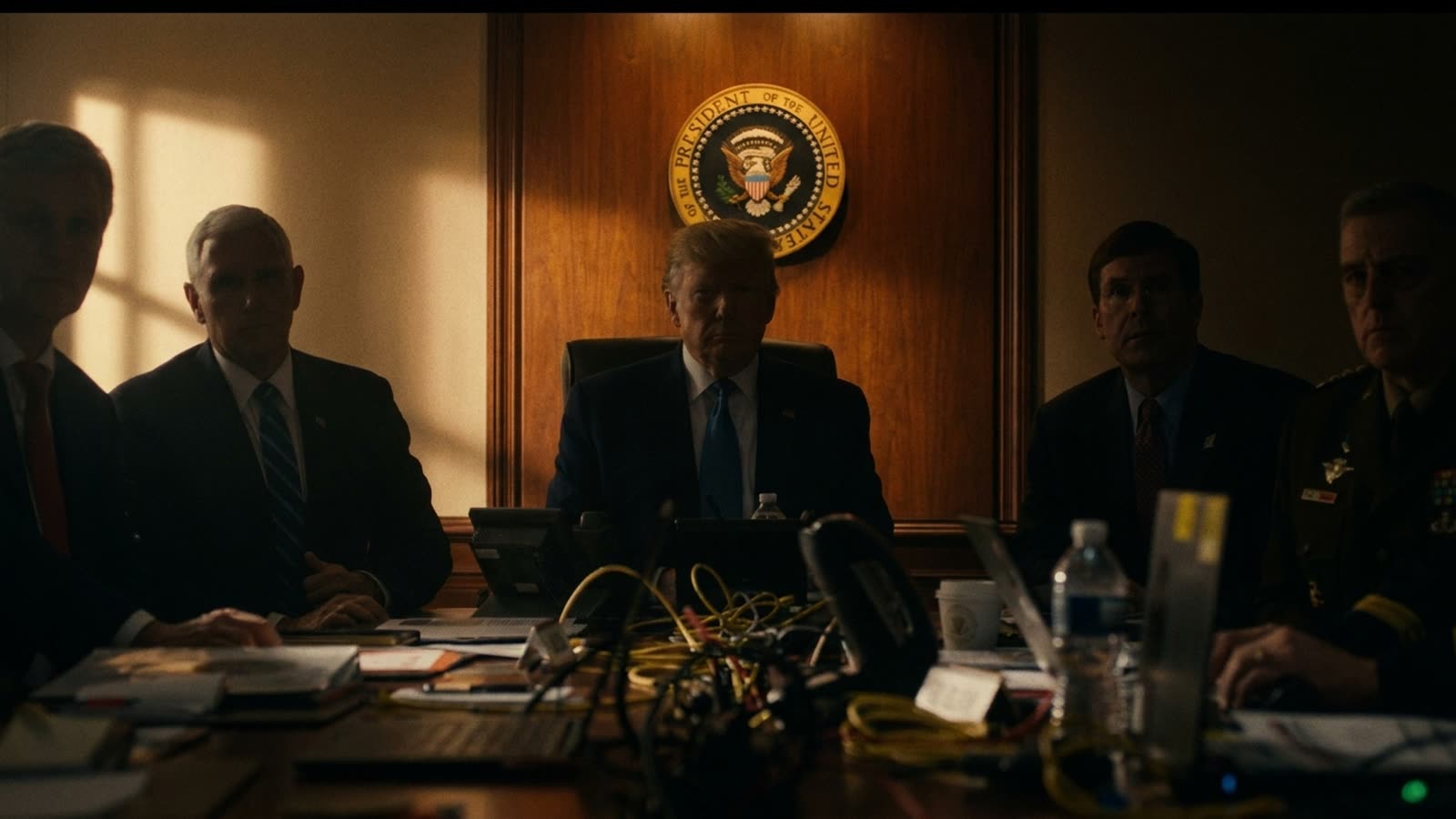
The Republican Senate majority is discovering that governing alongside Donald Trump is considerably harder than campaigning for him. At issue: a proposed $1.8 billion "anti-weaponization" fund that would give the White House extraordinary latitude to redirect federal resources toward investigating perceived political enemies—and away from agencies Trump believes have wronged him.
The fund, tucked into a broader appropriations vehicle, has placed Senate Republicans in an exquisitely uncomfortable position. Vote yes, and they effectively endorse the principle that a sitting president should control prosecutorial discretion through budgetary leverage. Vote no, and they invite the wrath of a president whose base remains the party's center of gravity.
The math problem
With a 52-48 majority, Republicans can afford exactly two defections on any party-line vote. At least four senators—including Susan Collins of Maine and Lisa Murkowski of Alaska—have expressed reservations ranging from procedural to constitutional. The moderate wing's discomfort is genuine: the fund's language is vague enough to permit uses that would have been unthinkable in any previous administration.
But the pressure from the right is equally real. Primary threats remain potent currency in Trump-era politics, and several senators facing 2028 re-election battles have calculated that a vote against the president's signature domestic-power initiative would be politically fatal.
What the fund actually does
The mechanism is deceptively simple. Rather than directing specific investigations—which would raise immediate separation-of-powers concerns—the fund allows the executive branch to "reallocate resources" across Justice Department components based on "anti-weaponization priorities" determined by the White House. Critics argue this creates a constitutional workaround: you don't need to order a prosecution if you can simply defund the prosecutors you don't like while lavishing resources on those you do.
A federal judge blocked an earlier, smaller version of this approach last week, but the administration is appealing and has signaled it views the court's reasoning as fundamentally flawed.
Our take
This is less about $1.8 billion than about whether the Senate remains a meaningful check on executive power. The fund's defenders will argue it merely corrects for years of alleged DOJ overreach; its critics will note that the remedy looks suspiciously like the disease. What's certain is that the vote—whenever it comes—will reveal whether Republican senators believe their institutional prerogatives are worth defending, or whether loyalty to a president who may not be on the ballot again has become the party's only organizing principle.