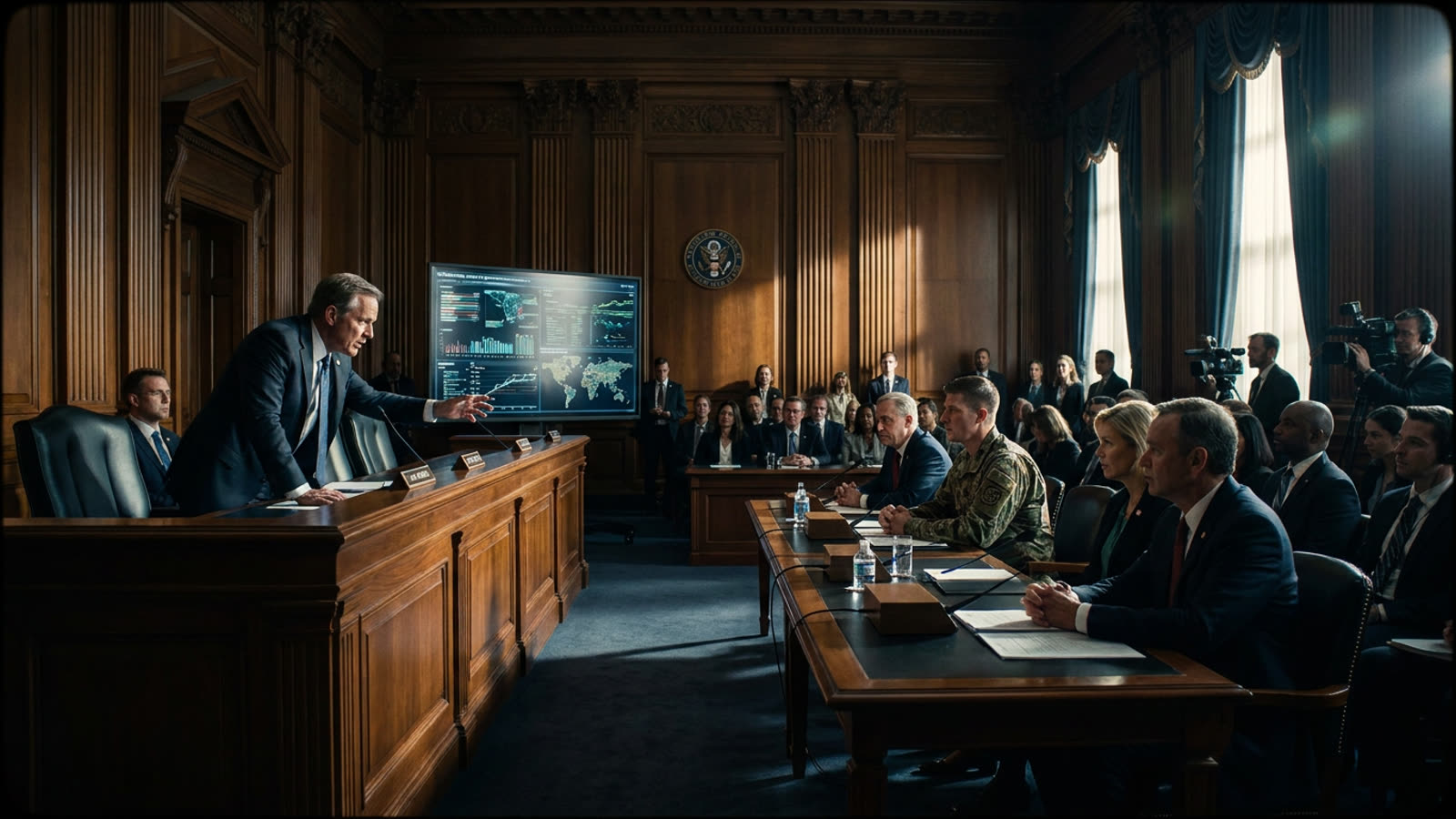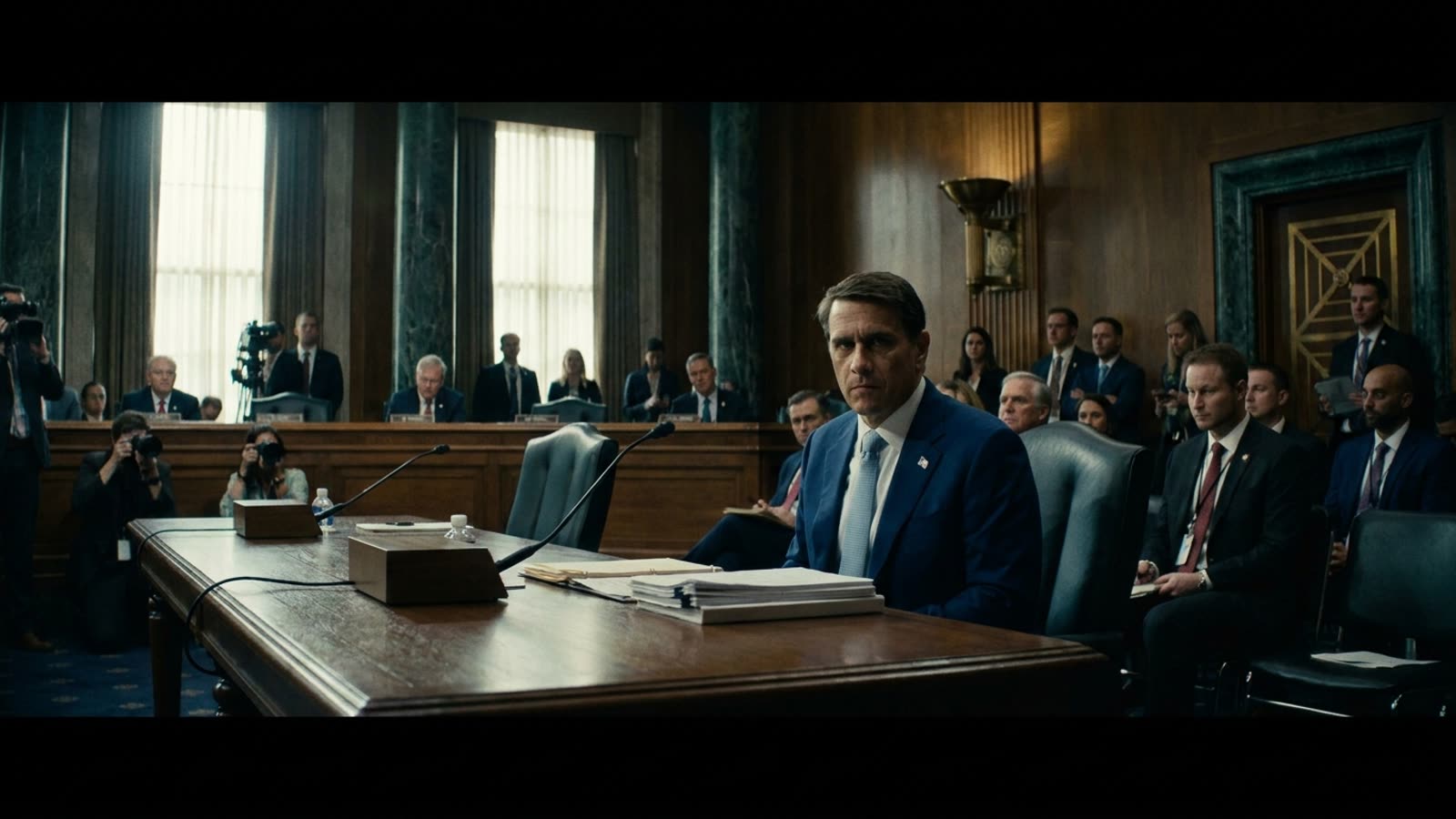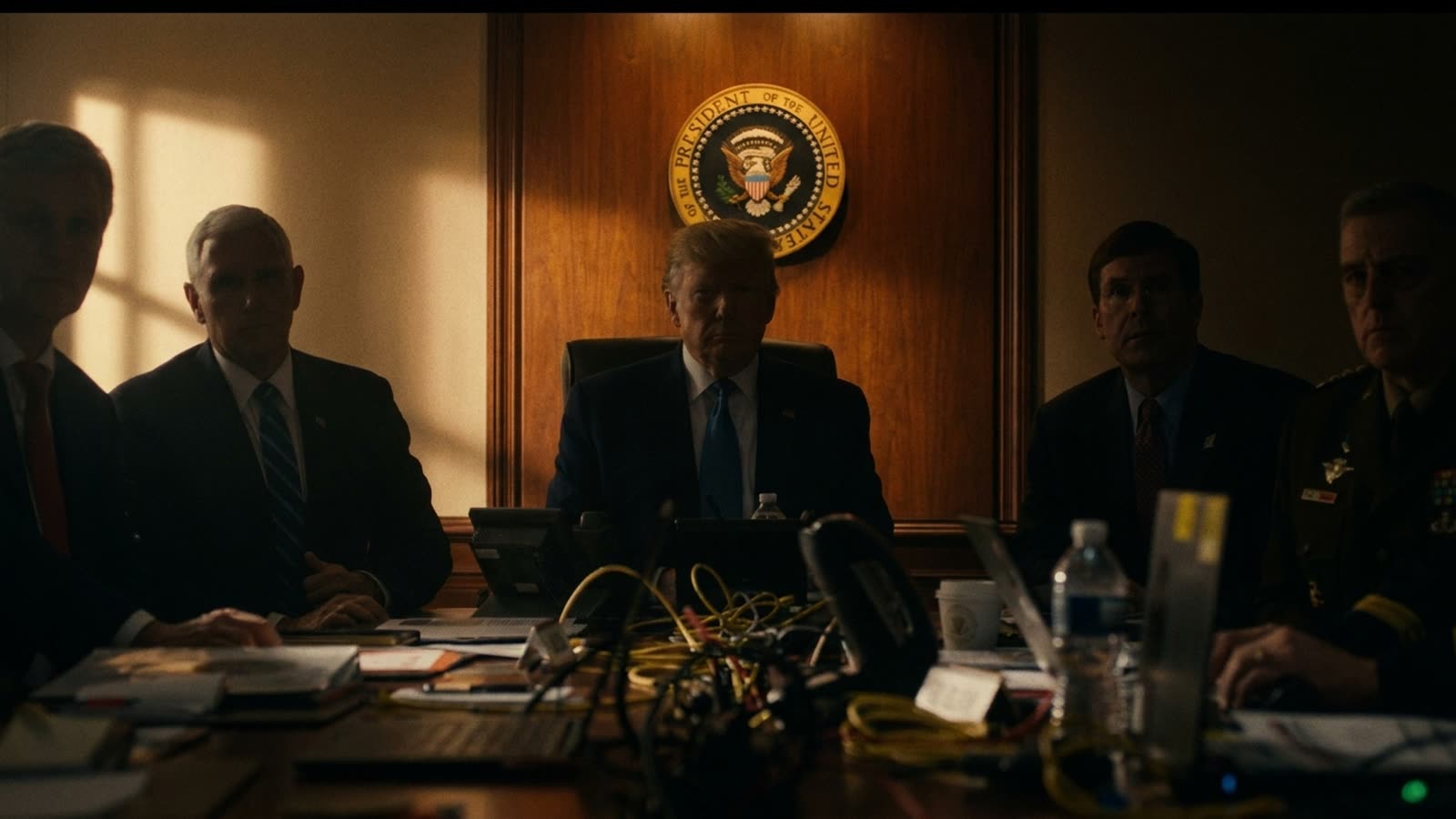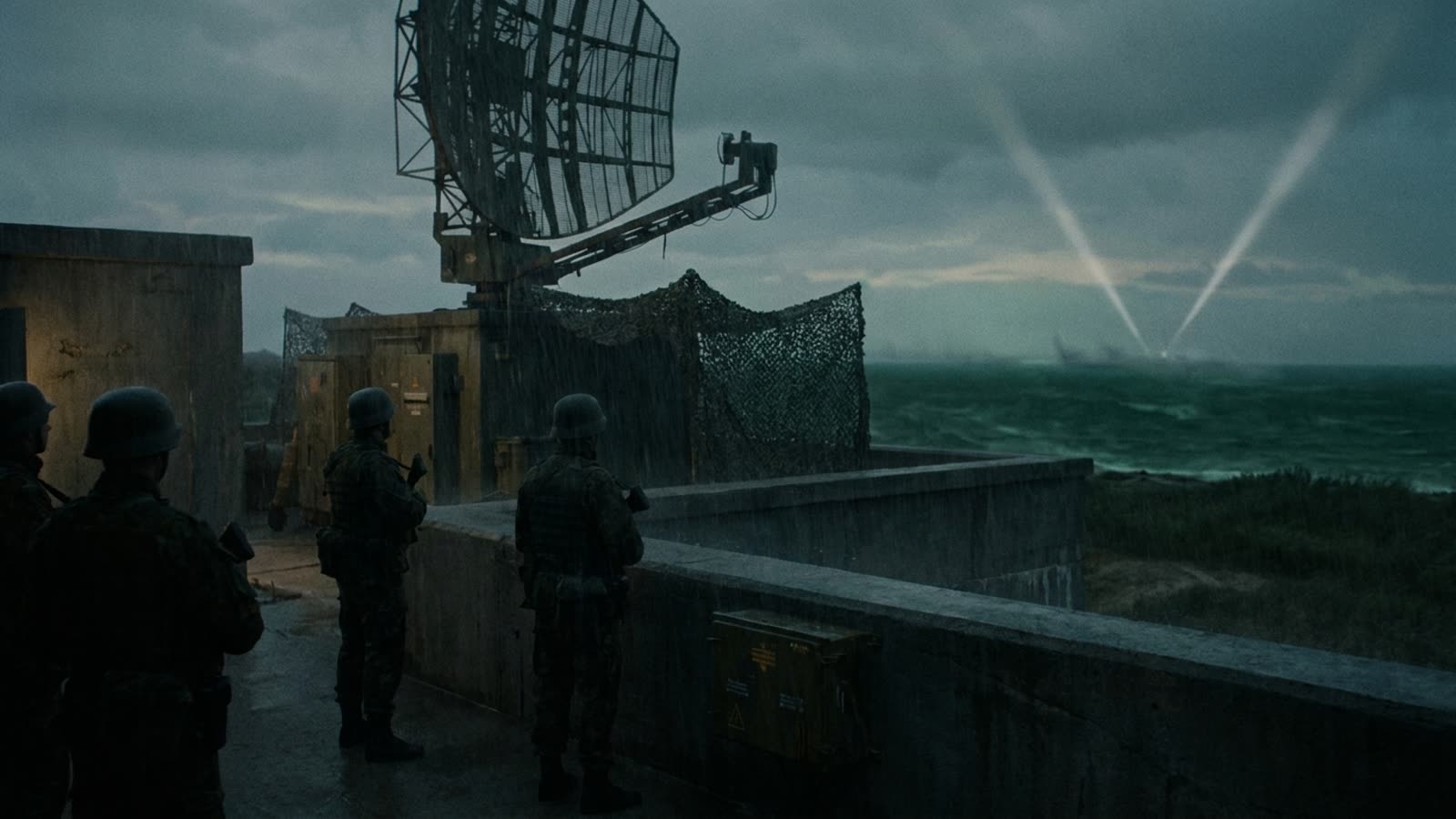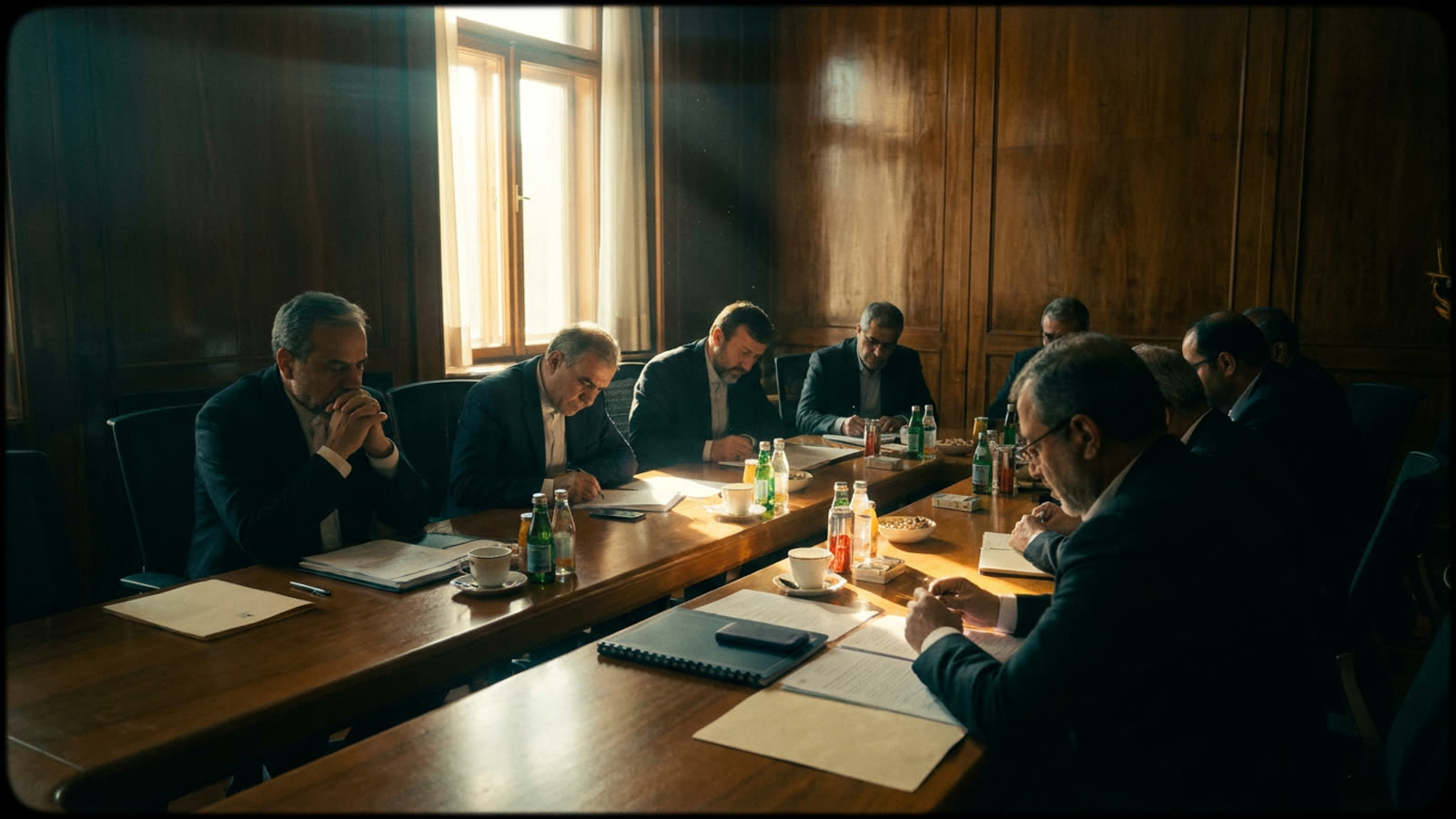
The anticipated memorandum of understanding between Washington and Tehran represents the most significant diplomatic development in the Persian Gulf since the 1979 hostage crisis, yet its signing will mark the beginning of implementation challenges rather than their resolution.
Negotiators have reportedly reached consensus on the broad strokes: a phased drawdown of US naval assets in exchange for verified dismantlement of Iran's advanced centrifuge cascades, with economic sanctions relief tied to International Atomic Energy Agency milestones. The architecture resembles the 2015 Joint Comprehensive Plan of Action, but the political landscape surrounding it could not be more different.
Verification remains the sticking point
The IAEA's inspection regime under the original nuclear deal was robust on paper but repeatedly frustrated by Iranian delays and site-access disputes. This time, American negotiators have reportedly insisted on short-notice inspections of undeclared facilities—a provision Tehran's Revolutionary Guard has historically treated as a sovereignty violation. Whether Supreme Leader Khamenei can compel compliance from security services that operate with considerable autonomy remains genuinely uncertain.
The memo's economic provisions face their own obstacles. Sanctions relief requires congressional notification, and while the administration can waive certain restrictions through executive authority, the most consequential measures—those touching the Iranian central bank—were codified by statute. A hostile Congress could complicate implementation even if both governments negotiate in good faith.
Regional actors hold their own cards
Israel's response will shape whether this agreement stabilizes the region or merely relocates its tensions. Jerusalem has signaled deep skepticism about any arrangement that leaves Iran's ballistic missile program unaddressed, and Israeli officials have not ruled out unilateral action against facilities they deem threatening. The memo reportedly sidesteps missiles entirely, a diplomatic necessity that creates a strategic vulnerability.
Saudi Arabia and the Gulf states, meanwhile, have watched these negotiations with a mixture of relief and anxiety—relief that open conflict may end, anxiety that American attention will drift elsewhere once the immediate crisis passes.
Our take
Diplomatic agreements with Iran have a way of looking better on signing day than they do eighteen months later. The question is not whether this memo contains compromises that will frustrate hawks in both capitals—it certainly does—but whether the alternative of indefinite military escalation serves anyone's interests. It does not. The administration should sign, implement methodically, and resist the urge to hold a Rose Garden ceremony before the verification regime has actually verified anything.