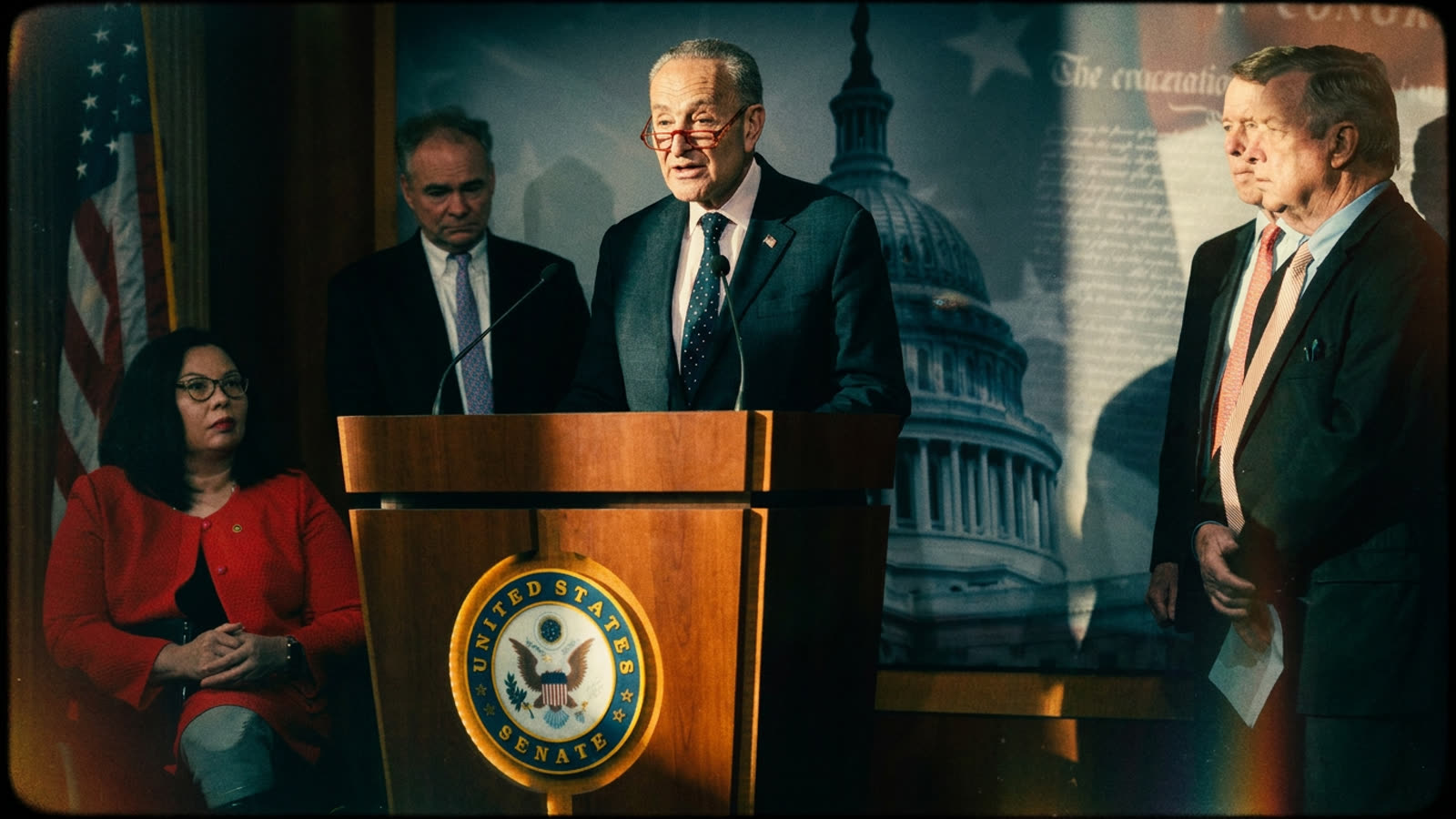
The Republican Senate's brief rebellion over Iran policy lasted approximately eighteen hours — long enough to generate headlines, not long enough to matter. By Wednesday morning, senators who had publicly questioned President Trump's military escalation were walking back their concerns, citing "productive conversations" and "new information" that mysteriously aligned their positions with the White House.
This is not how congressional oversight is supposed to work. The Constitution grants Congress the power to declare war precisely because the founders understood that military adventurism requires deliberation, not deference. What we witnessed this week was the final collapse of that principle within the Republican Party.
The anatomy of a retreat
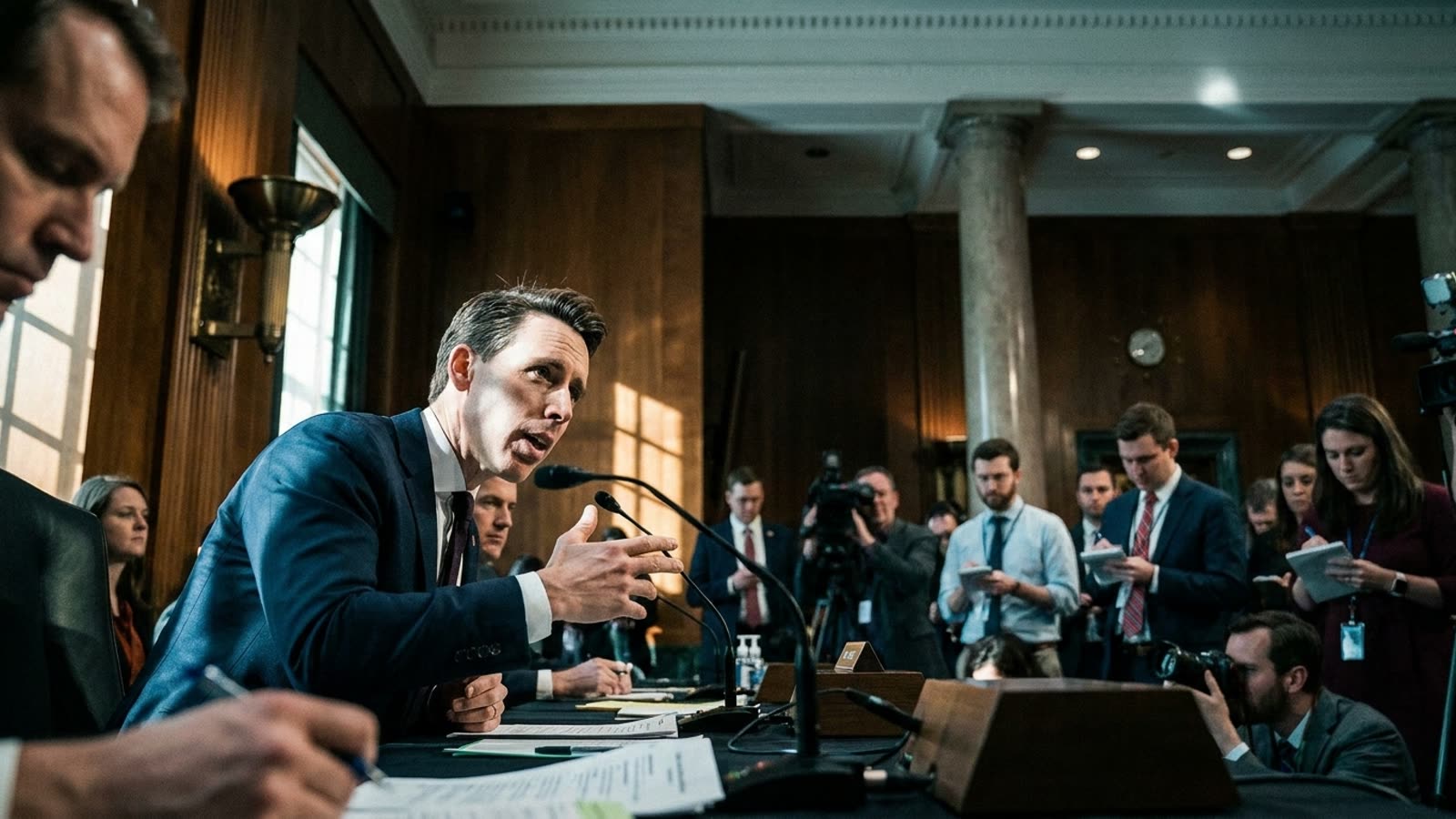
The sequence is now familiar. On Tuesday, several Republican senators — including some who had previously styled themselves as foreign policy hawks with independent judgment — expressed concern about the administration's Iran strategy during a closed-door lunch with the president. Reports emerged of a heated exchange, with at least one senator engaging in what sources described as a "shouting match" with Trump.
By Wednesday, those same senators were offering carefully worded statements expressing confidence in the commander-in-chief. The concerns that had seemed urgent enough to voice directly to the president had apparently evaporated overnight. No substantive policy changes were announced. No new oversight mechanisms were established. The senators simply... stopped objecting.
What changed (and what didn't)
The obvious question is what "new information" could have transformed skeptics into supporters in less than a day. The charitable interpretation is that the administration provided classified briefings that addressed legitimate concerns. The more plausible interpretation is that senators received a different kind of briefing — one about the political consequences of sustained opposition.
Trump's approval rating among Republican voters remains formidable, and primary challenges have ended careers. The calculus for any GOP senator is brutally simple: institutional prerogatives matter less than political survival. The Senate as an institution may have constitutional war powers, but individual senators have reelection campaigns.
The precedent problem
This capitulation matters beyond the immediate Iran context. Every future president — of either party — will note that congressional resistance to military action can be broken with a single uncomfortable lunch meeting and implied threats. The pattern established here suggests that Article I war powers exist only when the executive branch permits them to exist.
Foreign adversaries and allies are watching too. A legislature that reverses itself within hours sends a clear signal about the durability of American commitments and the reliability of American checks and balances.
Our take
The senators who backed down will justify their retreat as pragmatism, as choosing battles wisely, as maintaining influence for fights that matter more. But there is no fight that matters more than the decision to wage war. If the Senate cannot sustain even rhetorical opposition to presidential war-making for a single news cycle, it has effectively conceded that oversight is theater. The founders designed a system of co-equal branches. What remains is something considerably less equal.