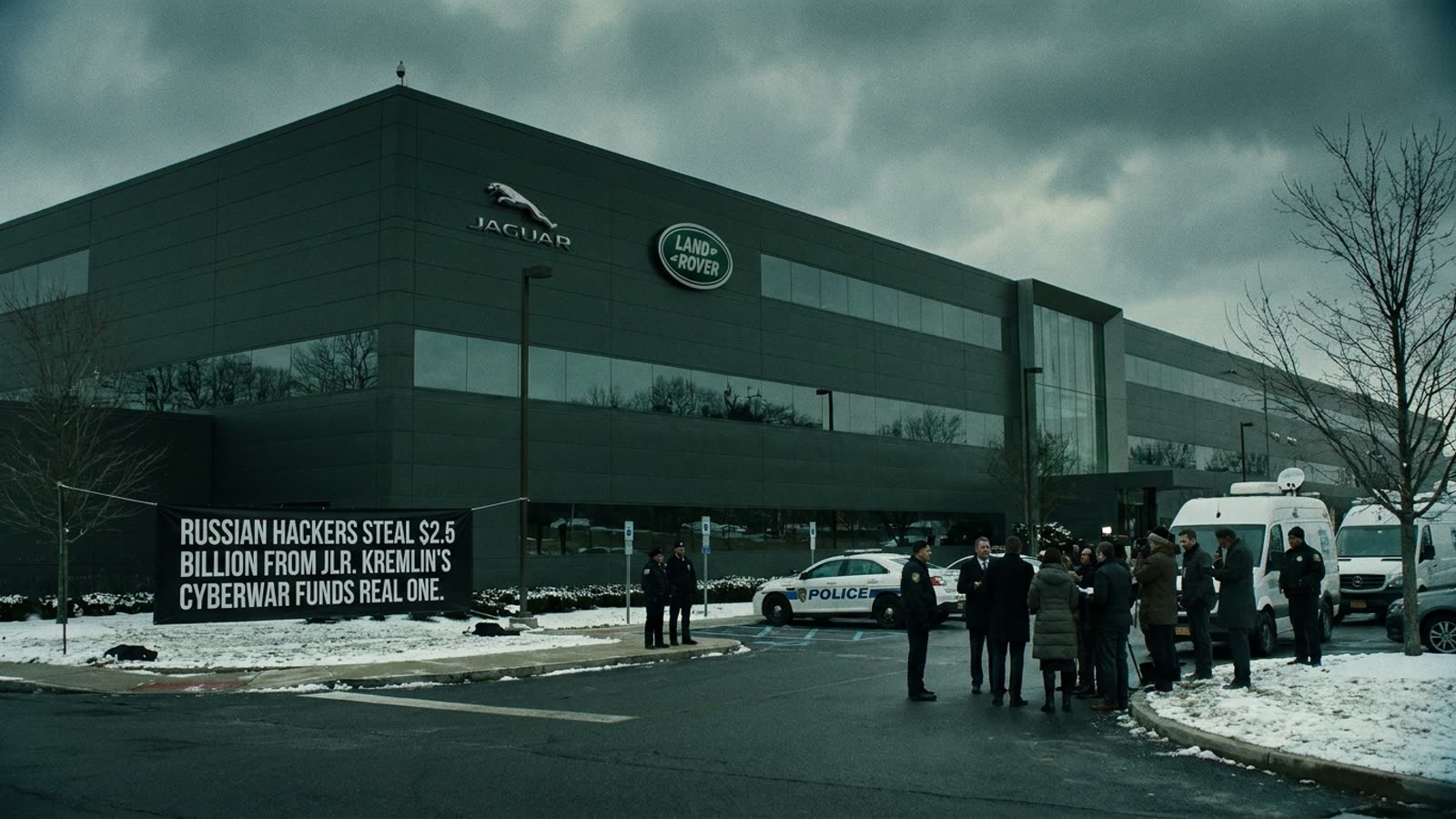
The line between cybercrime and state warfare has always been blurry in Russia, but the alleged $2.5 billion hack of Jaguar Land Rover obliterates it entirely. If confirmed, this would be the largest single corporate cyber theft ever recorded — and it arrives at a moment when the Kremlin desperately needs cash to sustain its grinding war in Ukraine.
The attack, attributed to Russian state-backed hackers according to multiple reports, didn't target military infrastructure or government secrets. It went after something more fungible: money. Jaguar Land Rover, the crown jewel of British automotive manufacturing now owned by India's Tata Motors, apparently had vulnerabilities that sophisticated actors could exploit for an extraordinary payday.
The economics of cyber-funded warfare
Western sanctions have squeezed Russia's economy, but they haven't collapsed it. The Kremlin has found workarounds — shadow fleets for oil exports, friendly intermediaries for technology imports, and increasingly, direct theft from Western corporations. A $2.5 billion haul would represent roughly the cost of several hundred main battle tanks, or months of ammunition supplies for the Ukrainian front.
This isn't opportunistic crime. The scale and sophistication suggest state coordination, with proceeds likely flowing through cryptocurrency mixers and shell companies before landing in accounts that can service Russia's war machine. Western intelligence agencies have long warned that Russian cyber operations serve dual purposes: gathering intelligence and generating revenue. This hack appears to prioritize the latter with unprecedented ambition.
Britain's awkward position
For the UK government, this creates a diplomatic headache with no good options. Publicly attributing the attack to Russia would demand a response, but what response? Additional sanctions on an already-sanctioned country? Cyber retaliation that risks escalation? The British security establishment has been notably quiet, suggesting either ongoing investigation or uncomfortable deliberation about how to proceed.
Jaguar Land Rover itself faces questions about its cybersecurity posture. The company has invested heavily in connected vehicle technology and digital services — precisely the kind of infrastructure that creates attack surfaces. Whether this breach exploited those systems or more traditional corporate IT vulnerabilities remains unclear, but shareholders and customers will want answers.
Our take
The West has spent years treating Russian cybercrime as a law enforcement problem and Russian military aggression as a separate diplomatic one. That distinction was always artificial, and this hack exposes its absurdity. When the same state apparatus that shells Ukrainian cities can steal billions from a British company with apparent impunity, the rules of engagement need rethinking. Cyber defense is now national defense, and corporations are on the front line whether they like it or not.