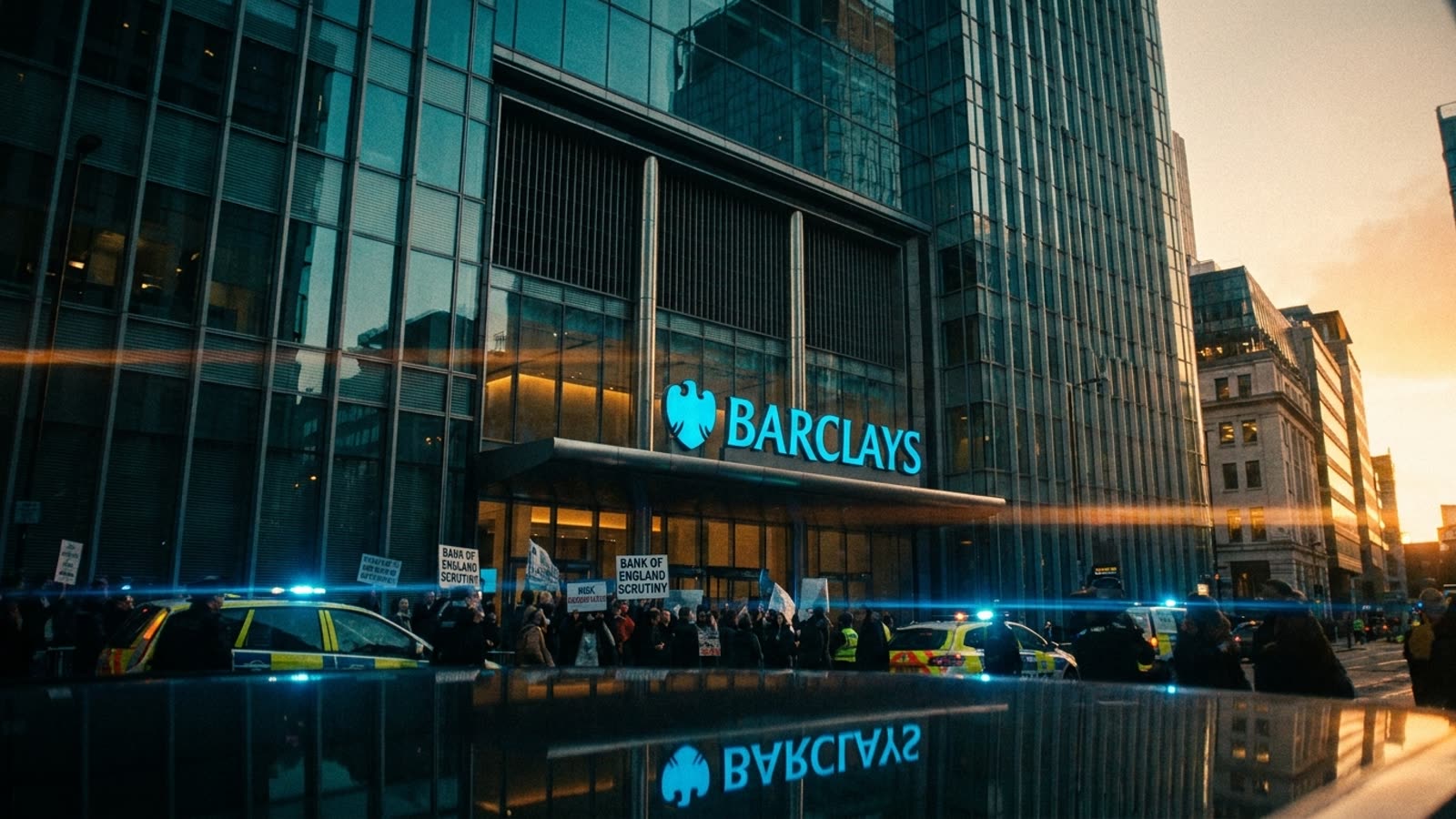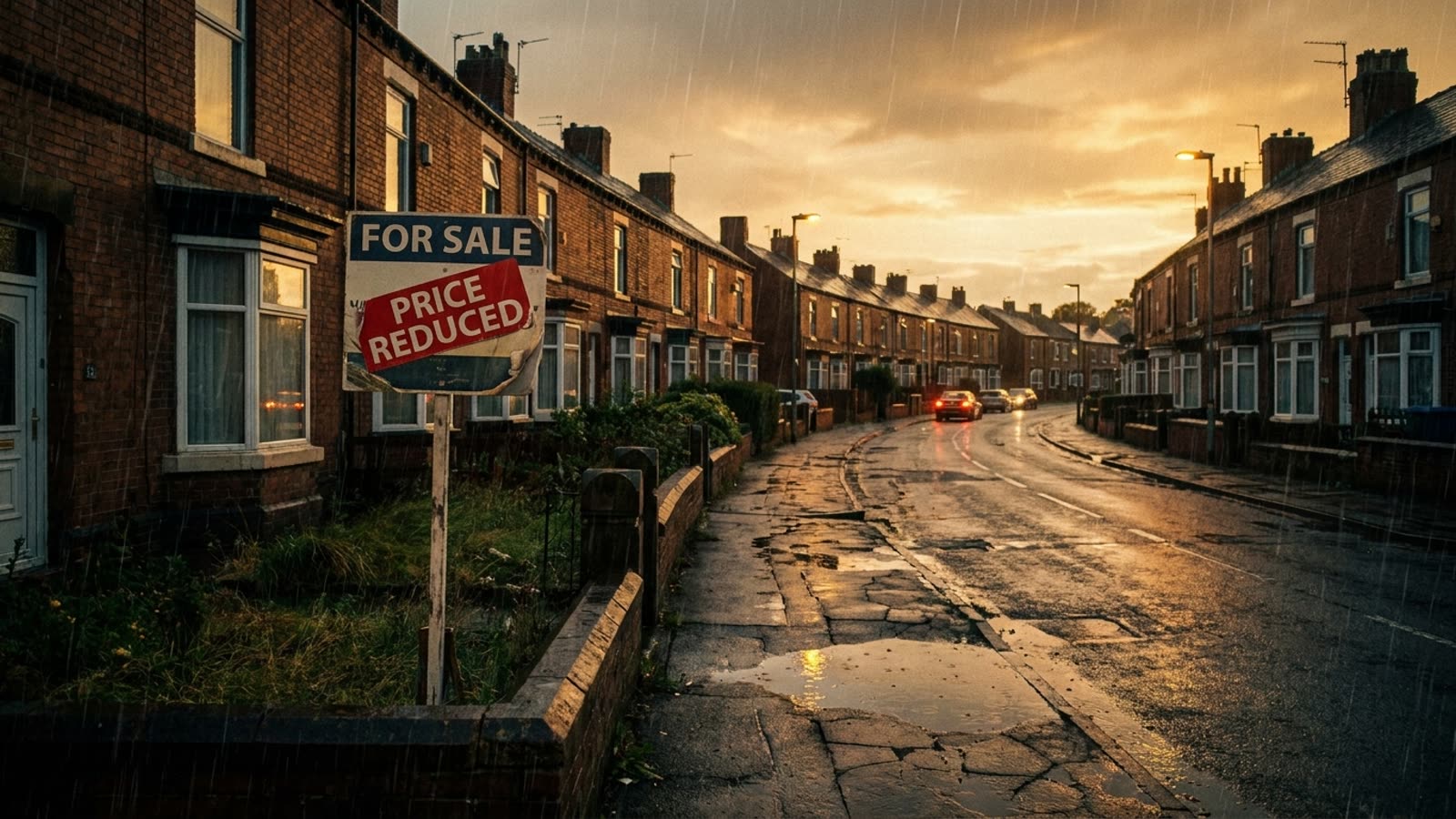
The cruelest thing about this property downturn is that it looked, for a moment, like it might not happen. Buyers who locked in deals during the summer's fleeting optimism are now watching their financing terms evaporate as bond yields climb relentlessly higher. The result is a market defined not by collapsed demand but by collapsed confidence—transactions dying in escrow, sellers forced to accept haircuts they never anticipated, and a growing cohort of would-be buyers simply stepping back to wait.
The mechanics are brutal in their simplicity. When a buyer agrees a price in July expecting a 4.5% mortgage rate, then returns to close in October facing 5.8%, the numbers no longer work. Either the seller cuts the price, the buyer finds more cash, or the deal dies. Increasingly, deals are dying.
The yield curve's revenge
Central banks spent 2025 and early 2026 threading a needle: raising rates enough to contain inflation without triggering a hard landing. They largely succeeded on inflation. But bond markets, unconvinced that rate cuts are imminent, have pushed long-term yields sharply higher. In the UK, 10-year gilt yields have surged past levels last seen during the 2022 mini-budget crisis. In the US, the 30-year mortgage rate has climbed back toward 7%. For property markets built on cheap leverage, this is an existential repricing.
The damage is most visible in commercial real estate, where office valuations were already under pressure from hybrid work. But residential markets are feeling it too. Estate agents report a "dire" mood, with chains collapsing and mortgage offers being withdrawn. The phrase "subject to financing" has become a death sentence for transactions.
Who gets hurt
Sellers who must sell—divorcing couples, estates, relocating workers—face the worst of it. They cannot wait for rates to stabilize. Developers with half-finished projects and maturing construction loans are similarly exposed. The buyers who can still transact are extracting steep discounts, knowing their leverage grows with every basis point.
Institutional investors, meanwhile, are largely sitting on the sidelines. Why deploy capital into property when risk-free government bonds offer yields not seen in nearly two decades? The opportunity cost of owning illiquid real assets has rarely been higher.
Our take
This is not a crash in the 2008 sense—there is no subprime contagion, no systemic banking crisis lurking beneath the surface. But it is a painful correction that exposes how much of the post-pandemic property boom was built on the assumption that rates would stay low forever. They did not. The market is now discovering what happens when the cost of money returns to historical norms. For anyone who bought at the top or agreed a deal before the summer's rate surge, the lesson is expensive: in property, timing is not everything, but financing terms are.