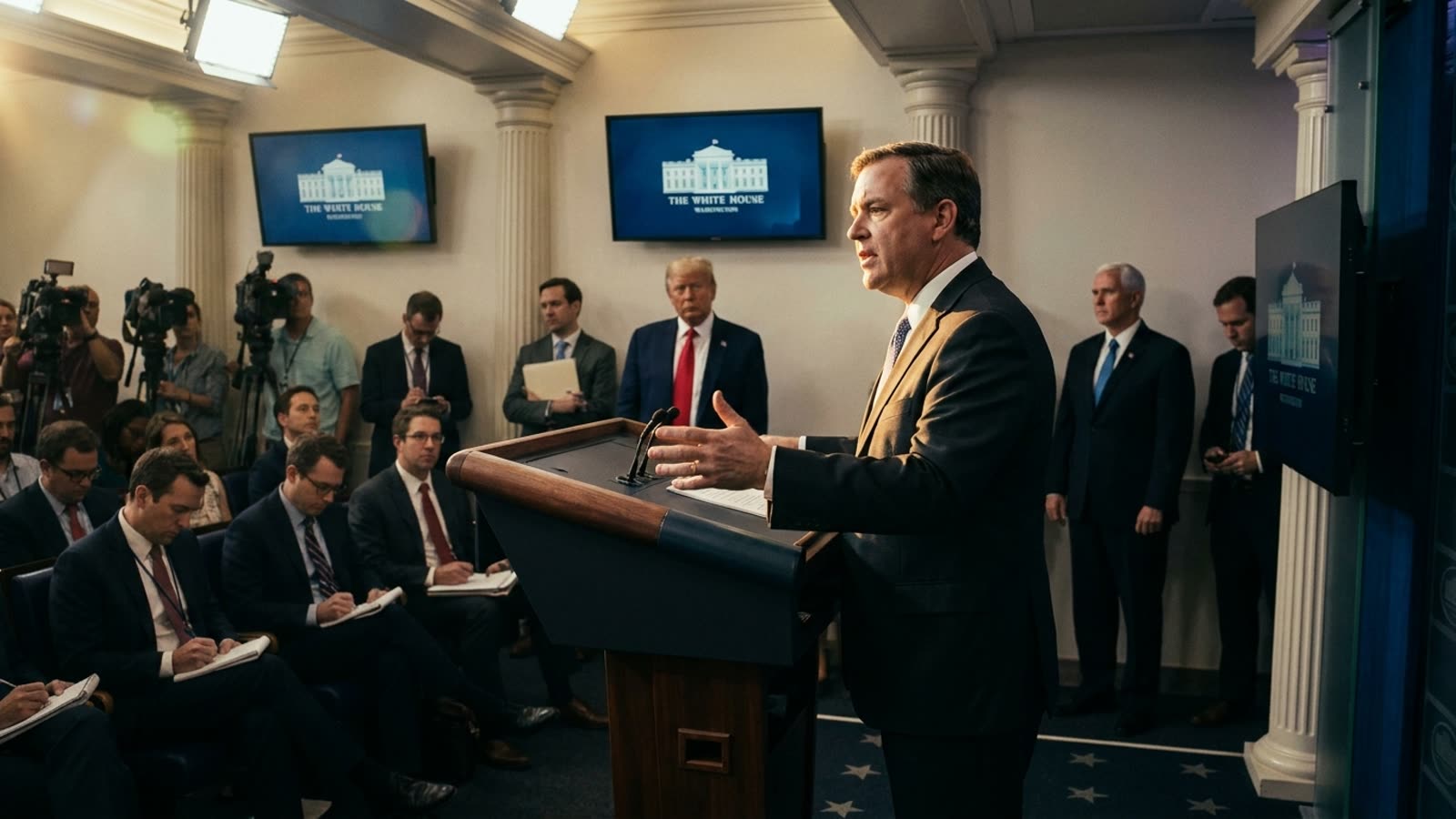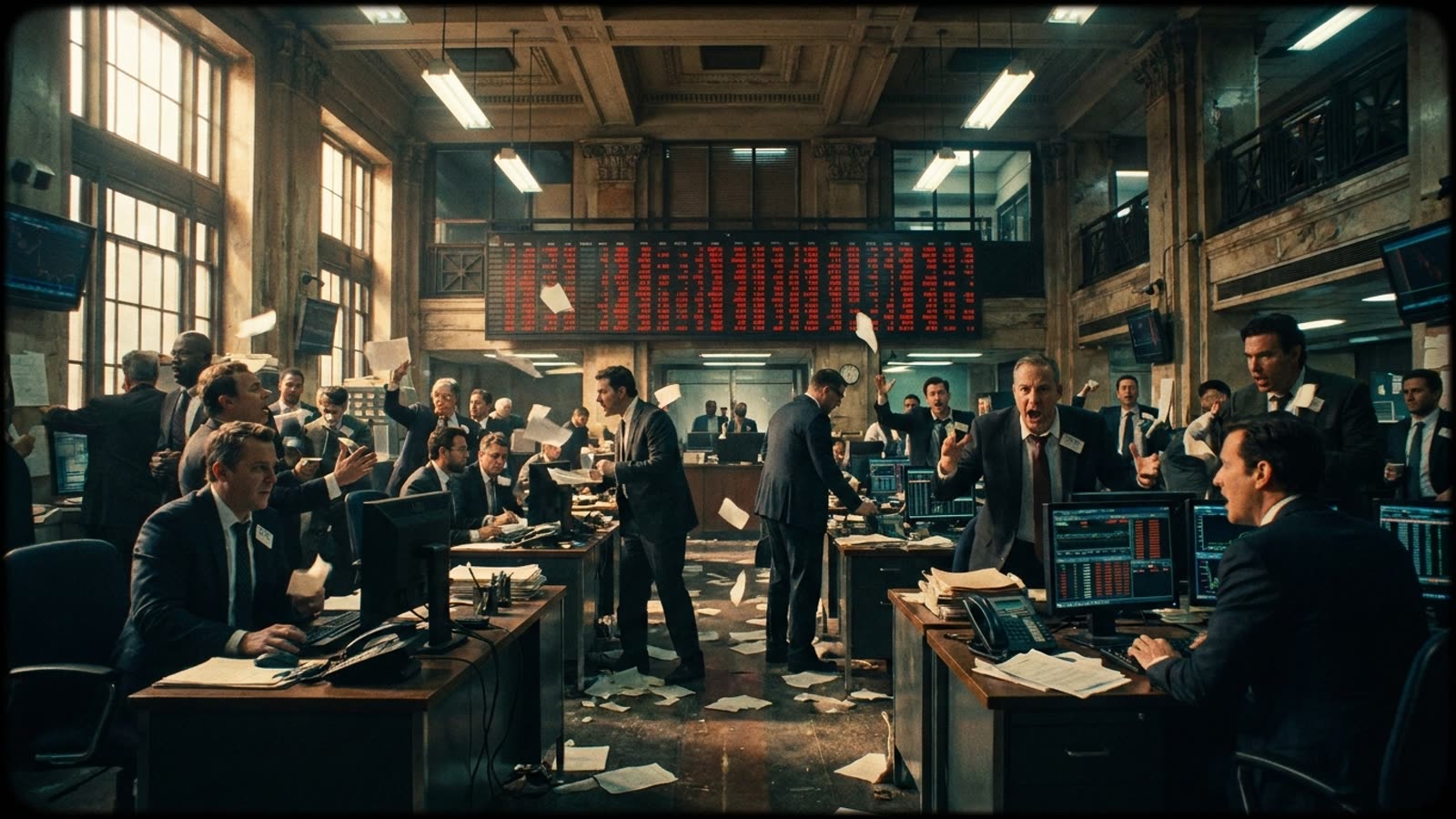
The Securities and Exchange Commission spent two years crafting a framework to let traditional equities trade on blockchain rails. Nasdaq, the exchange that was supposed to make it mainstream, has decided it would rather not.
The opt-out, disclosed in a regulatory filing late Friday, lands as the SEC's tokenized-stock pilot faces a broader revolt. Eight additional issuers—including Broadcom and Verizon—have now formally objected to having their shares listed on the planned OKX-ICE venue, the joint venture between crypto exchange OKX and Intercontinental Exchange that was meant to serve as the flagship platform for the new regime. When the companies whose stock you want to tokenize start hiring lawyers to stop you, the pilot has a credibility problem.
Why Nasdaq matters more than the objectors
Issuer pushback was always predictable. Corporate treasurers are constitutionally allergic to novelty, and the prospect of retail traders swapping fractional Verizon shares on a crypto-adjacent venue at 2 a.m. was never going to thrill investor-relations departments. But Nasdaq's defection is different in kind. The exchange operates the plumbing that clears and settles trillions of dollars in equity trades; its participation would have conferred legitimacy and, crucially, liquidity. Without a major incumbent willing to route order flow to tokenized venues, the SEC's framework risks becoming a regulatory curio—technically available, practically unused.
The OKX-ICE problem
The joint venture was always an odd pairing: ICE, the buttoned-up owner of the New York Stock Exchange, and OKX, a crypto exchange that until recently operated from the Seychelles and still faces questions about its compliance infrastructure. The SEC blessed the arrangement as a way to bridge traditional finance and digital assets, but the hybrid structure has satisfied neither camp. Crypto natives see a watered-down product subject to legacy market hours and custody rules; Wall Street sees counterparty risk dressed up in blockchain marketing. Broadcom and Verizon's objections cite concerns about secondary-market fragmentation and the reputational hazard of association with a crypto brand—polite corporate-speak for "we don't trust these people with our stock."
What happens next
The SEC can, in theory, proceed without Nasdaq and over issuer objections. The framework allows companies to opt out of specific venues, but the regulator retains authority to approve new trading platforms unilaterally. Chair Gary Gensler's successor, appointed earlier this year, has signaled a more accommodating posture toward digital assets, and the agency may simply wait for the objectors to exhaust their procedural options. But a tokenized-stock market that launches over the protests of its intended participants is unlikely to attract the institutional capital it needs to survive.
Our take
Tokenization was always a solution in search of a problem. Equity markets already settle in a day, trade with penny spreads, and offer near-instant execution. The supposed benefits of blockchain—transparency, programmability, 24/7 access—matter far more for illiquid assets like real estate or private credit than for shares of Broadcom. Nasdaq's exit suggests the industry has quietly reached the same conclusion. The SEC built a cathedral; Wall Street would rather keep using the strip mall.