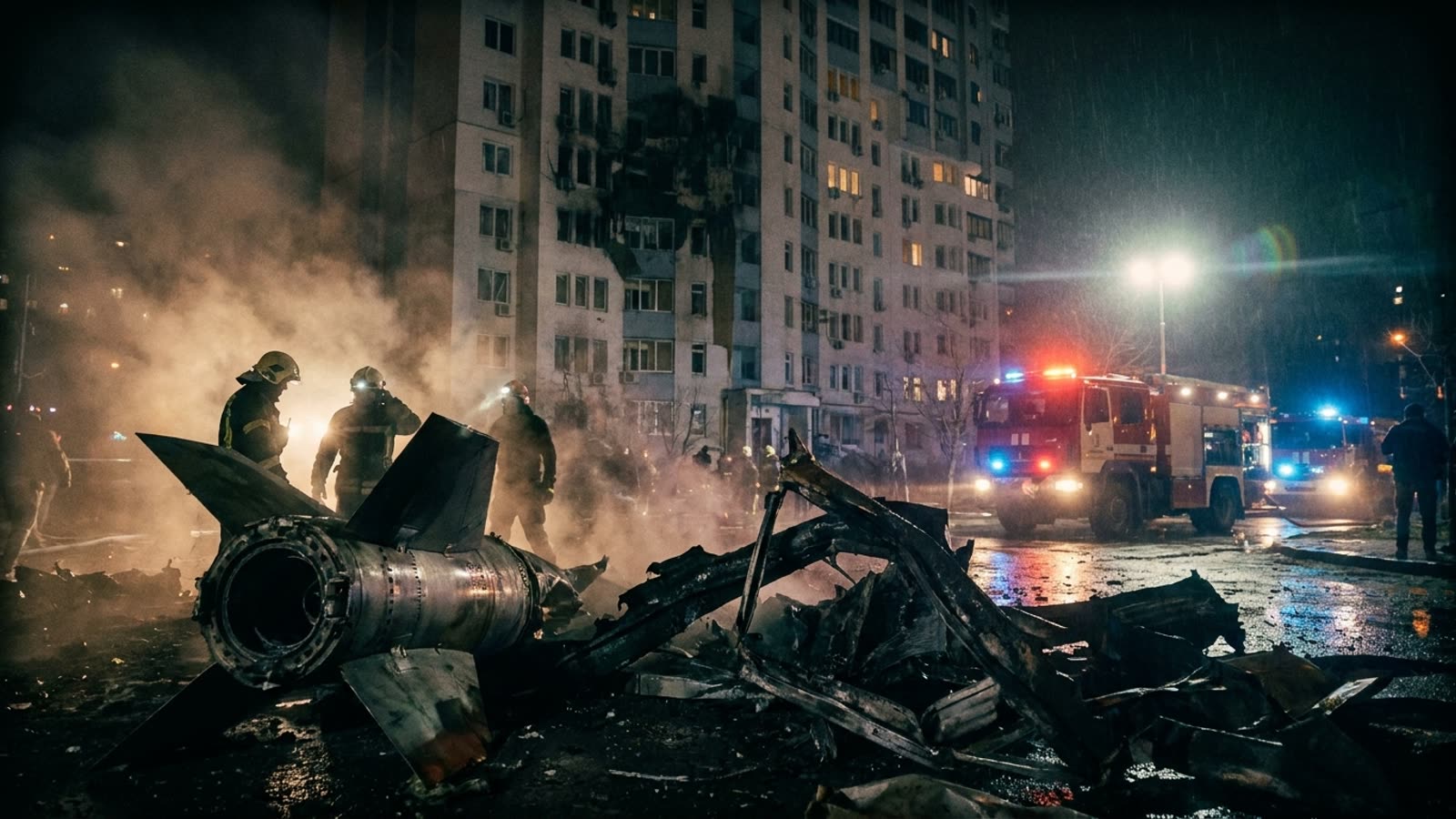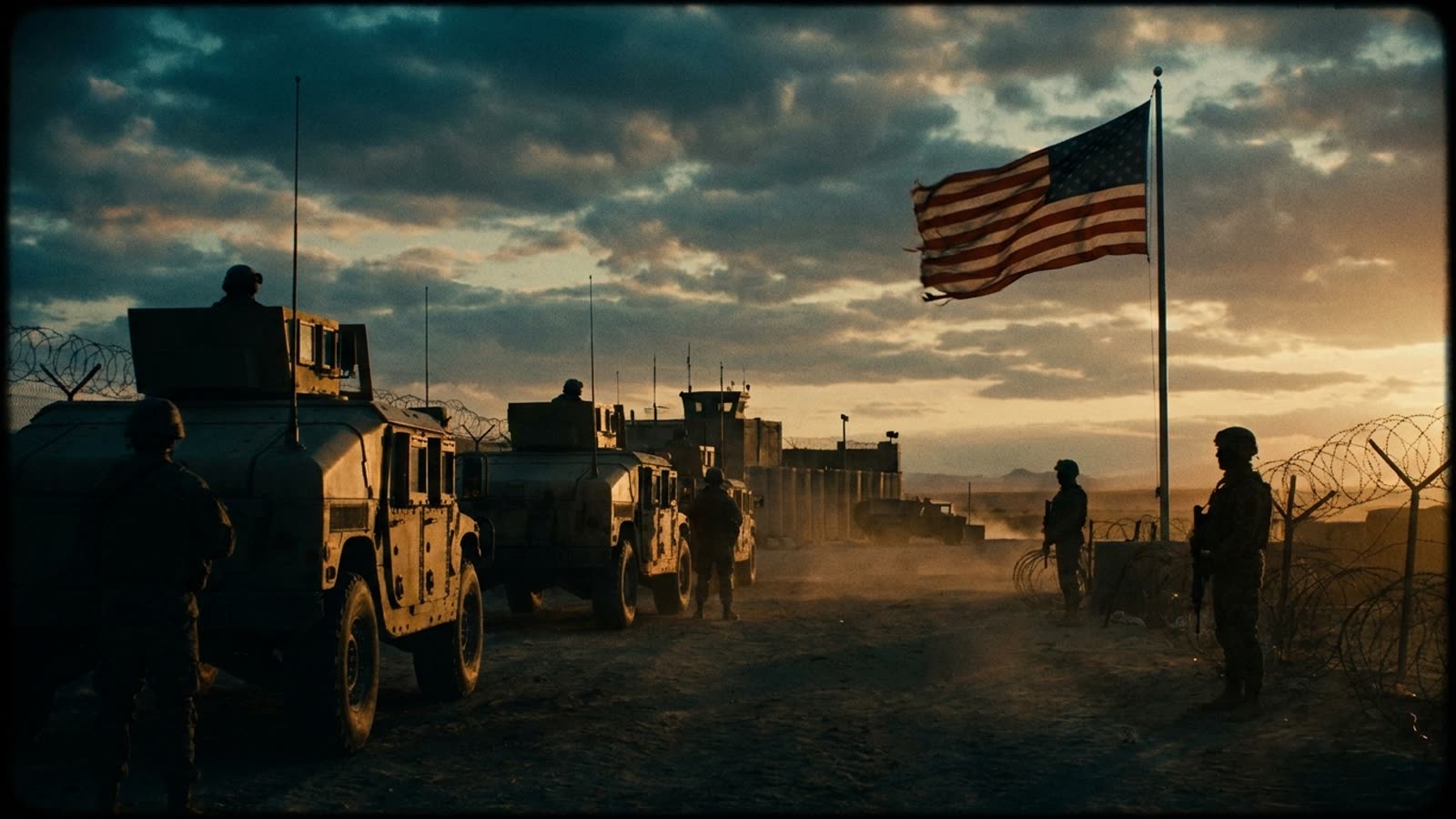
The Republican Party's national-security establishment spent years convincing itself that Donald Trump's isolationist rhetoric was negotiating theater — bluster that would evaporate once the shooting started. Three months into America's undeclared war with Iran, that comfortable fiction is collapsing.
Senior GOP hawks on Capitol Hill are now openly fretting that the president is preparing to "cut and run," in the words of one Senate aide, accepting a face-saving uranium deal that leaves Tehran's regional proxies intact and its nuclear infrastructure merely paused rather than dismantled. The fear is not hypothetical: Trump's announcement of a peace framework this week, complete with Bitcoin-market-moving fanfare, arrived before the Pentagon had even confirmed the destruction of Iran's primary enrichment facility at Fordow.
The transactional president meets the forever-war caucus
Trump has never hidden his contempt for open-ended military commitments. His first term featured abrupt withdrawal announcements from Syria and Afghanistan that blindsided allies and advisers alike. What hawks failed to appreciate is that starting a war does not inoculate against the same instincts — it merely raises the stakes of the eventual pivot.
The president's calculus appears straightforward: a televised deal, however flimsy, polls better than a grinding air campaign with no visible end state. Iran's willingness to offer a uranium "surrender" — even one hedged with verification loopholes — gives Trump the photo opportunity he craves. That the agreement may unravel within months is, in this framing, a problem for the next news cycle.
Hawks without leverage
The interventionist wing's dilemma is structural. Having cheered the initial strikes and defended the administration's legal rationale for acting without congressional authorization, figures like Lindsey Graham and Tom Cotton now lack the procedural tools to force a harder line. A war-powers resolution demanding escalation would be politically suicidal; public appetite for a prolonged Middle Eastern conflict remains negligible. The hawks can grumble on Sunday shows, but they cannot compel.
Meanwhile, the populist base that delivered Trump his third nomination cares little for Fordow's centrifuge count. They want gas prices down and American soldiers home. The president, whatever his other flaws, reads that room with precision.
Our take
The intra-Republican panic is clarifying: it reveals a party that never reconciled its America-First electoral coalition with its Reagan-era foreign-policy priesthood. Trump may yet escalate — his moods are famously mutable — but the hawks' current anxiety suggests they finally understand they are passengers, not pilots. The Iran war's endpoint will be determined by one man's instinct for the dramatic exit, not by doctrine or strategy. That should unsettle everyone, doves included.