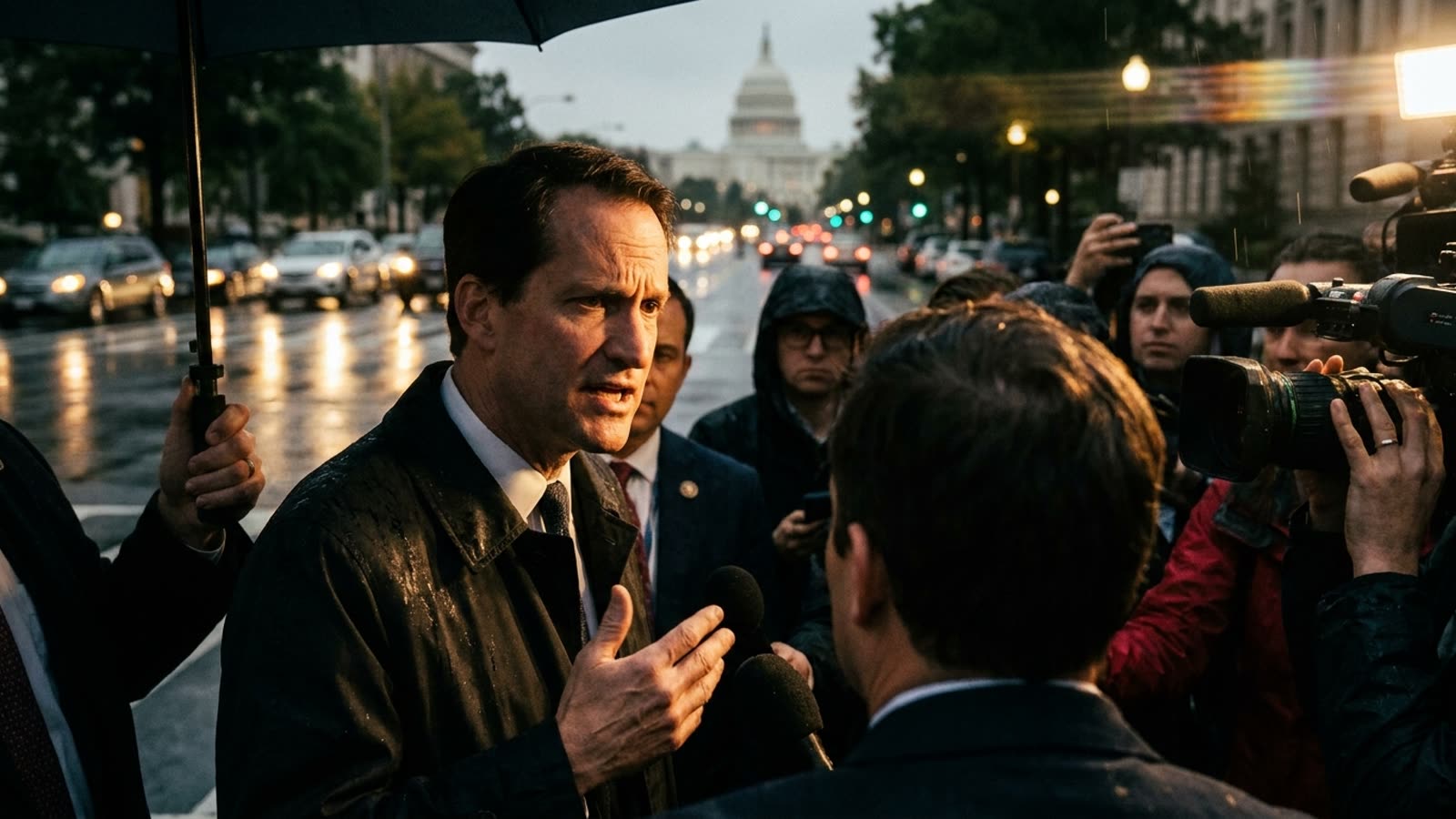
When a ranking member of the House Intelligence Committee uses the word "surrender" to describe his own government's diplomatic posture, the political ground has shifted beneath everyone's feet.
Connecticut Representative Jim Himes, the top Democrat on the intelligence panel, did precisely that this week, arguing that the "political toxicity" of the three-month-old Iran conflict is driving the Trump administration toward terms it would never have accepted in January. The accusation is partisan, obviously. It is also, on the available evidence, substantially correct.
The arithmetic of exhaustion
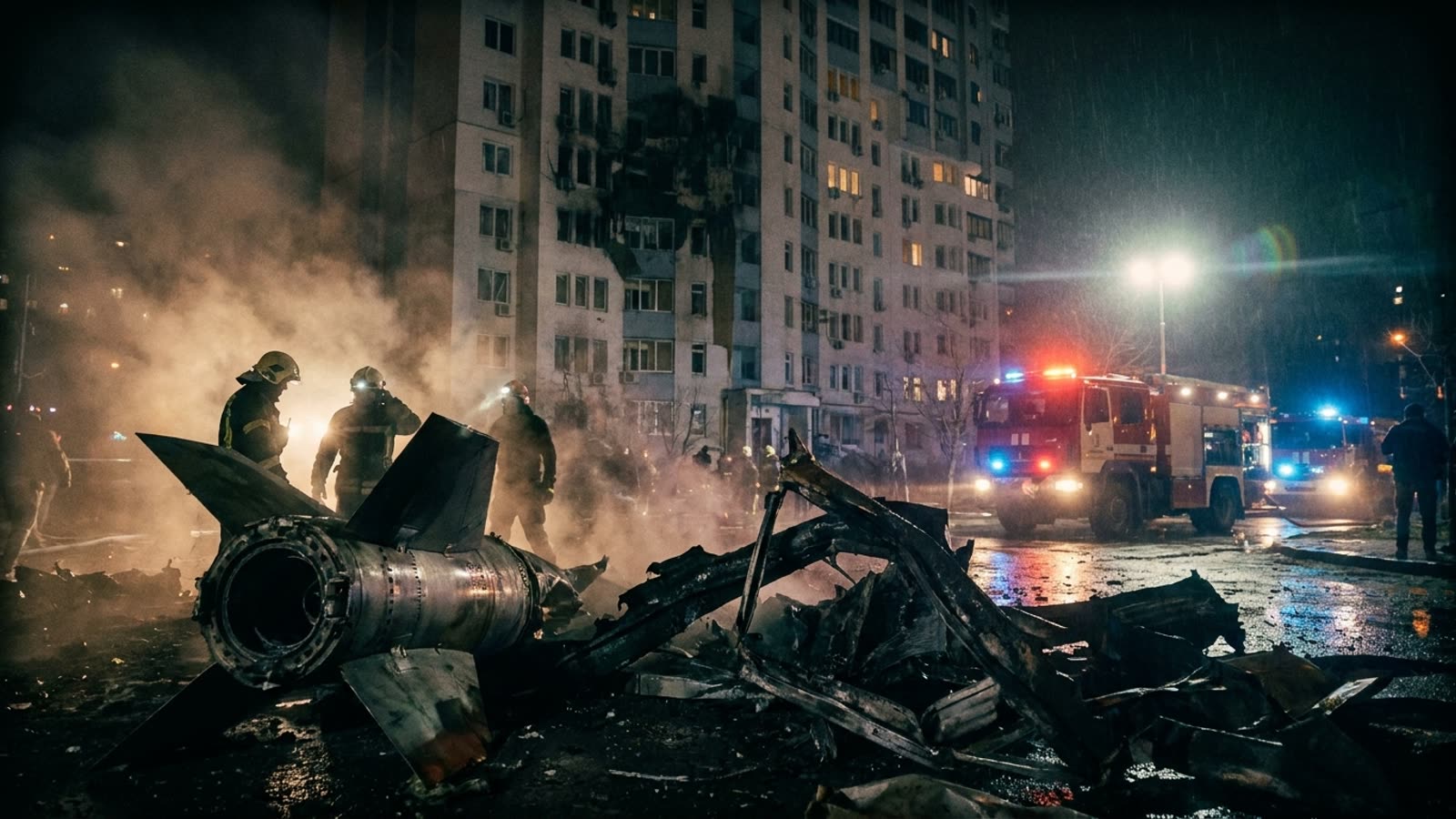
Three months of air operations, naval interdiction, and what the Pentagon euphemistically calls "kinetic activity" have produced no regime change in Tehran, no capitulation on the nuclear file, and no discernible path to the decisive victory the administration promised. What they have produced is a defense-supplemental request north of $40 billion, fuel prices that middle-American voters discuss at every kitchen table, and casualty figures the White House has stopped contesting.
Himes's framing—that the administration is seeking an exit because the politics have become untenable—inverts the usual hawk-dove dynamic. Traditionally, Democrats accuse Republicans of starting wars for political gain; here, a Democrat accuses a Republican of ending one for the same reason. The novelty is telling. It suggests that the Iran engagement has become so unpopular, so fast, that even its opponents see advantage in attacking the peace rather than the war.
The verification vacuum
The uranium-surrender framework announced over the past week remains, by any diplomatic standard, remarkably thin. Inspectors have yet to receive access protocols. Enrichment timelines are aspirational. The Gulf states whose security the campaign was ostensibly waged to protect are publicly pressing Washington for clarifications they have not received.
Republicans on the Hill have been notably quiet, which is itself a data point. A triumphant deal would be trumpeted; a defensible one would be defended. Silence indicates a caucus waiting to see whether the narrative settles on "peace through strength" or "cut and run." Himes is betting on the latter framing, and he is doing so loudly enough to shape the odds.
Our take
Himes is engaged in politics, not prophecy. But the politics work only because the underlying critique resonates. The administration launched a military campaign with maximalist rhetoric and no plausible theory of victory, then sought an off-ramp the moment domestic sentiment curdled. Calling that a surrender is hyperbole. Calling it a strategic failure is not. Washington will spend years debating who lost Iran. The more honest question is whether anyone had a plan to win it.