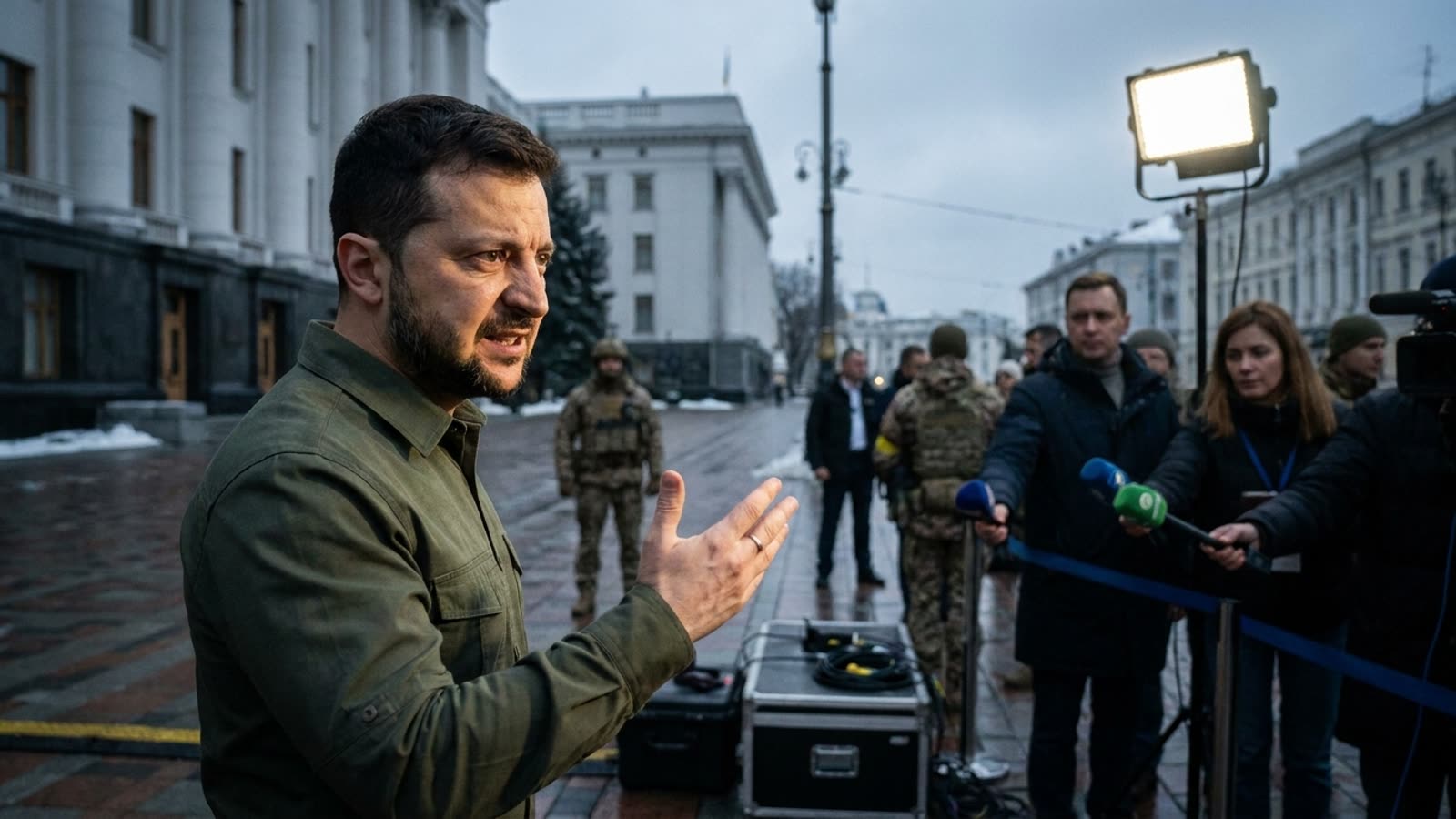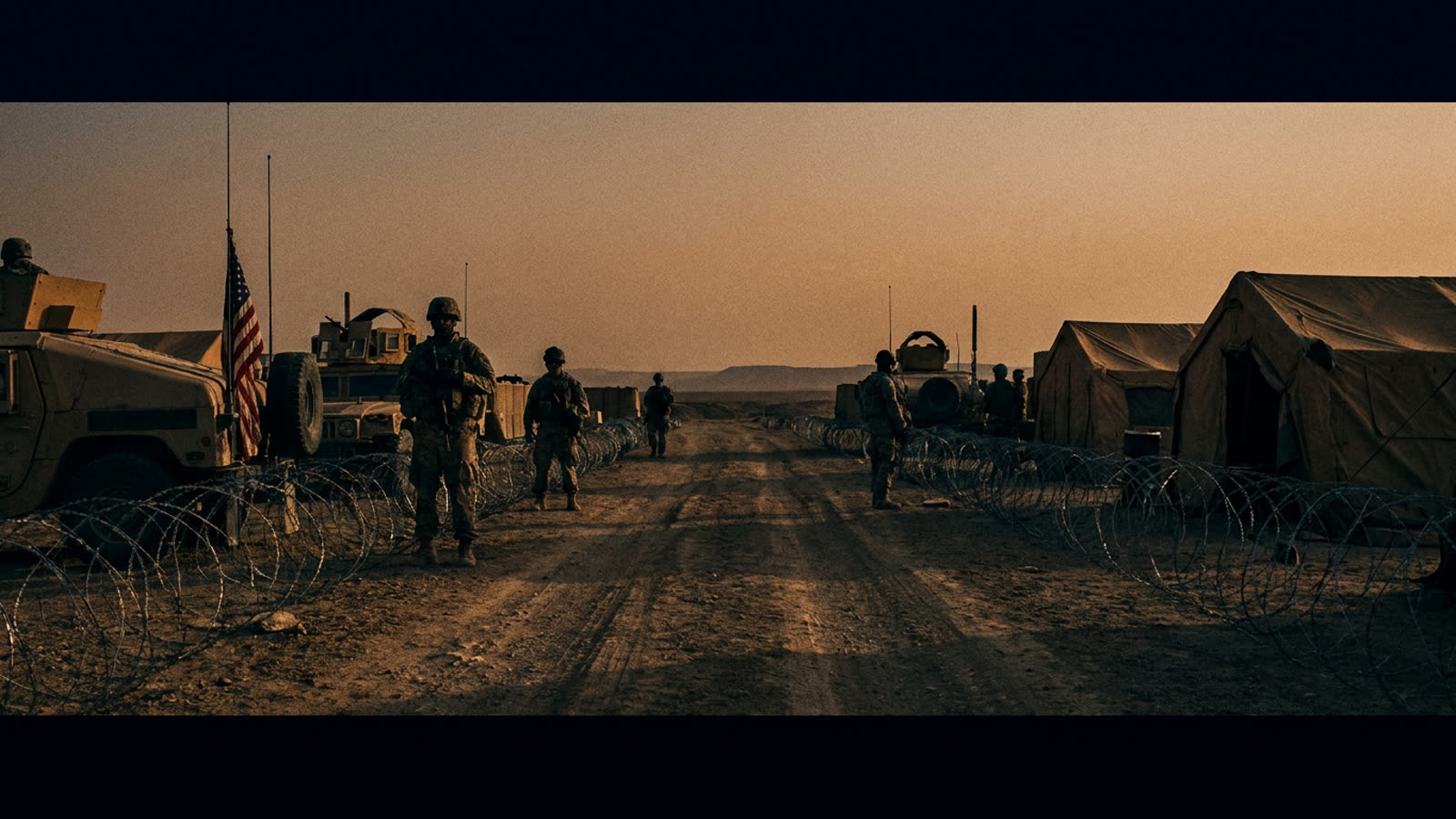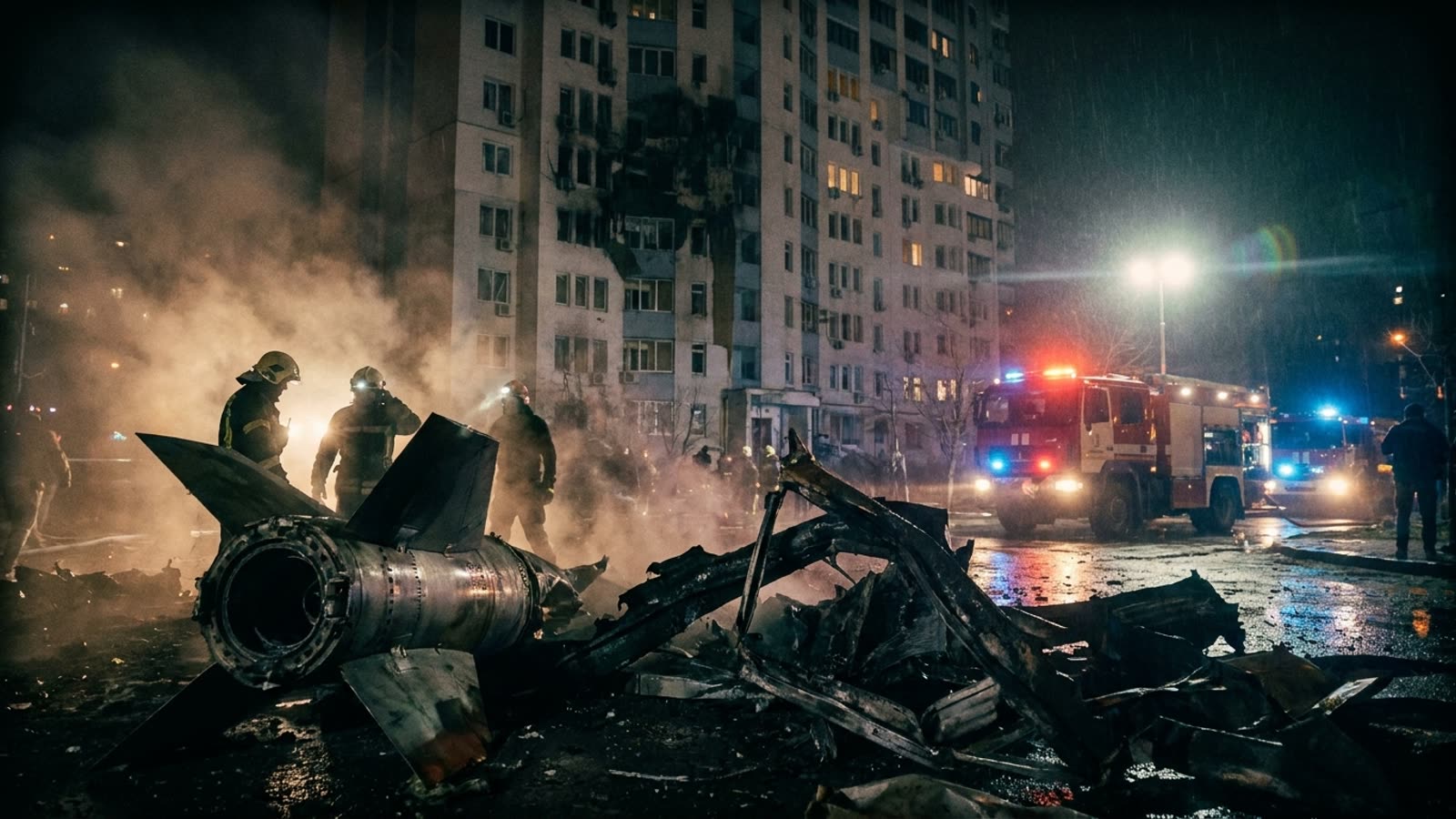
The Oreshnik is not just a weapon; it is a diplomatic communiqué traveling at Mach 10. Russia's decision to fire the hypersonic ballistic missile at Kyiv this week—part of what Ukrainian officials described as one of the largest aerial assaults since the full-scale invasion began more than three years ago—was calibrated less for tactical gain than for strategic theatre. With Washington consumed by its Iran gambit and European capitals still squabbling over the pace of military aid, the Kremlin is testing whether the West's attention span has finally expired.
The Oreshnik's symbolic payload
First unveiled in late 2024 as a counter to Western long-range strike permissions, the Oreshnik is an intermediate-range ballistic missile designed to evade air defenses through sheer speed and unpredictable trajectory. Its deployment against the Ukrainian capital—rather than front-line military targets—underscores Moscow's intent to terrorize and to signal. The strike package reportedly included dozens of drones and cruise missiles alongside the Oreshnik, saturating Kyiv's layered defenses and forcing civilians into shelters for hours. Casualties and infrastructure damage are still being assessed, but the psychological toll is immediate: no city in Europe is truly safe from Russian reach.
Timing is the tell
The attack came within hours of renewed speculation that the Trump administration might pivot diplomatic bandwidth from Ukraine toward cementing the Iran uranium-surrender framework. Moscow has spent months probing whether American fatigue—and the president's preference for transactional dealmaking—could translate into a softer line on Kyiv. By escalating now, Putin is posing a direct question: will Washington respond with fresh materiel and rhetorical steel, or will it treat Ukraine as yesterday's crisis? The Kremlin's bet appears to be the latter.
European paralysis persists
Brussels has promised much and delivered unevenly. Germany's ammunition-production ramp-up remains behind schedule; France's pledge of additional air-defense systems is tangled in procurement bureaucracy; and the EU's latest sanctions package is stalled over Hungarian objections. Ukraine's defenders are not running out of courage, but they are running low on interceptors. Each Oreshnik that penetrates Kyiv's shield is a reminder that Western solidarity, however loudly proclaimed, is measured in crates delivered, not communiqués issued.
Our take
Hypersonic missiles are fearsome, but they are not war-winners on their own. What wins wars is sustained political will, and that commodity is now the scarcest resource in the Western arsenal. If the Trump administration allows the Iran file to crowd out Ukraine, and if Europe continues to treat defense-industrial mobilization as a peacetime procurement exercise, Moscow will draw the obvious conclusion: escalation pays. The Oreshnik's flight path ended in Kyiv. Its intended destination was every capital that has promised to stand with Ukraine—and is now looking the other way.