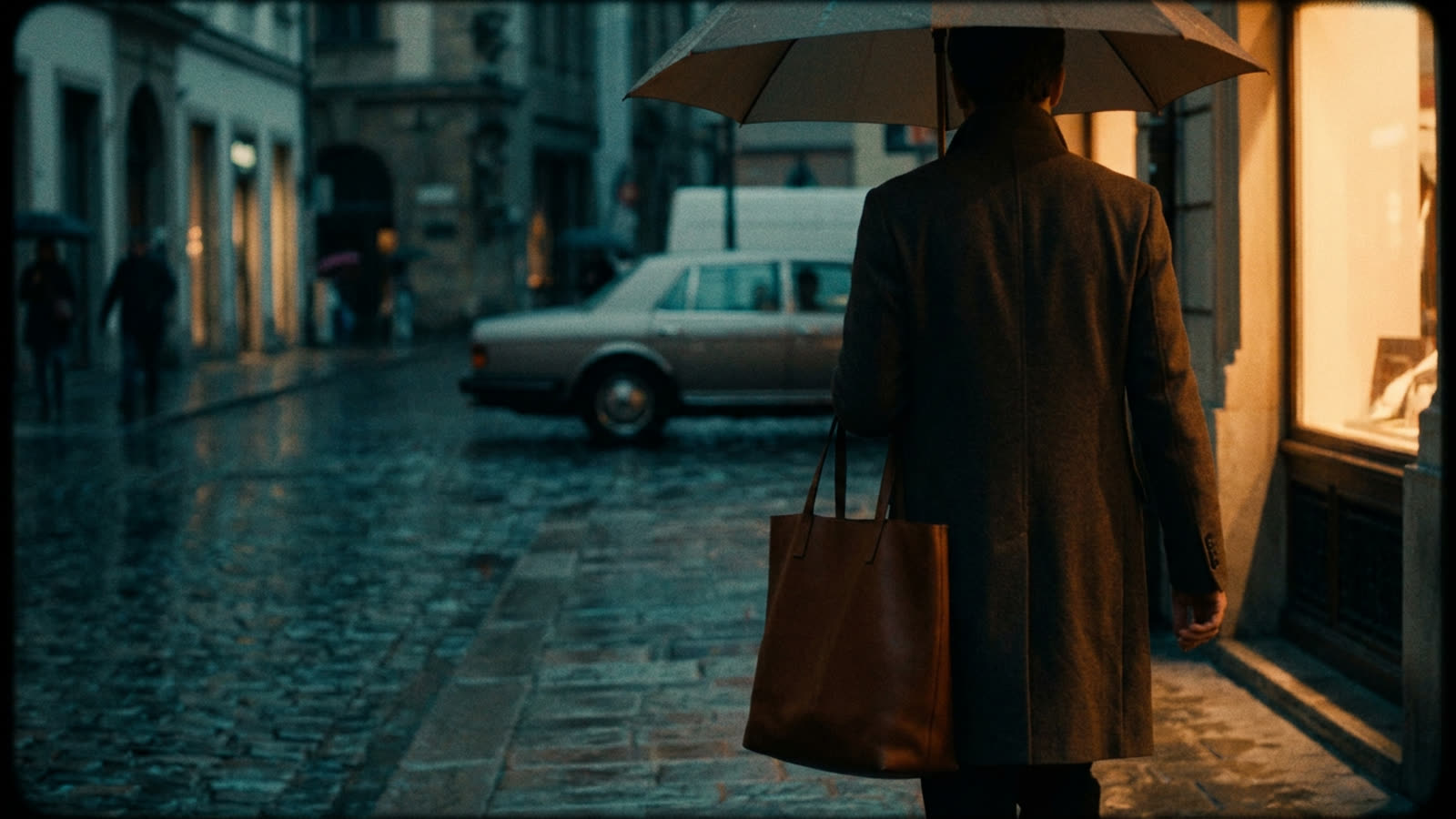
The most powerful status symbol in contemporary fashion is the absence of one. No monogram, no hardware, no obvious tell — just a cashmere coat in the precise shade of oatmeal that signals, to those who know, that its wearer spent four figures on something deliberately designed to look like nothing at all. This is quiet luxury's central paradox: it sells invisibility at premium prices, and its customers pay handsomely for the privilege of appearing not to have paid at all.
The aesthetic has been building for years, but its cultural coronation came through prestige television. The Roy family's wardrobes on Succession became a masterclass in old-money dressing — Loro Piana baseball caps, Brunello Cucinelli knits, Zegna suits in colors your eye slides past. The message was legible to anyone paying attention: real wealth doesn't need to announce itself. The truly rich dress like they have nothing to prove, because they don't.
The economics of understatement
Quiet luxury is, at its core, a rejection of the logo-heavy maximalism that dominated the 2010s. Where Gucci and Balenciaga built empires on recognizable prints and ironic excess, the stealth-wealth movement retreated to quality fabrics, impeccable tailoring, and brand names that function more like passwords than advertisements. The Row, Khaite, Totême — these labels thrive precisely because most people have never heard of them.
This creates a fascinating market dynamic. Traditional luxury relied on aspiration: buy the logo, join the club. Quiet luxury inverts the equation. Its appeal lies in exclusion, in the knowledge gap between those who recognize a $3,000 unbranded sweater and those who assume it came from a department store. The product isn't the garment; it's the feeling of being in on a secret.
The imitation problem
Success, however, has introduced complications. Fast-fashion retailers now stock entire "quiet luxury" collections — greige knits, minimal silhouettes, tagless designs that ape the aesthetic at a fraction of the price. When Zara can produce a passable Khaite dupe in weeks, the visual language of stealth wealth becomes democratized, and the exclusivity it promised begins to erode.
The industry's response has been predictable: retreat further upmarket. Hermès, the original quiet-luxury house, maintains waitlists and purchase histories that function as velvet ropes. The Row has raised prices and limited distribution. The message is clear — if everyone can look like old money, the truly wealthy will find new ways to distinguish themselves, likely through access and experience rather than product alone.
Our take
Quiet luxury was always a performance of not performing, which made its eventual commodification inevitable. The aesthetic will persist — good tailoring and quality materials never really go out of style — but its cultural moment as a signifier of authentic wealth is already passing. The next status frontier won't be about what you wear but what you don't need to wear at all: the confidence to show up underdressed, the social capital to ignore trends entirely. True stealth wealth, it turns out, might mean opting out of the conversation altogether.