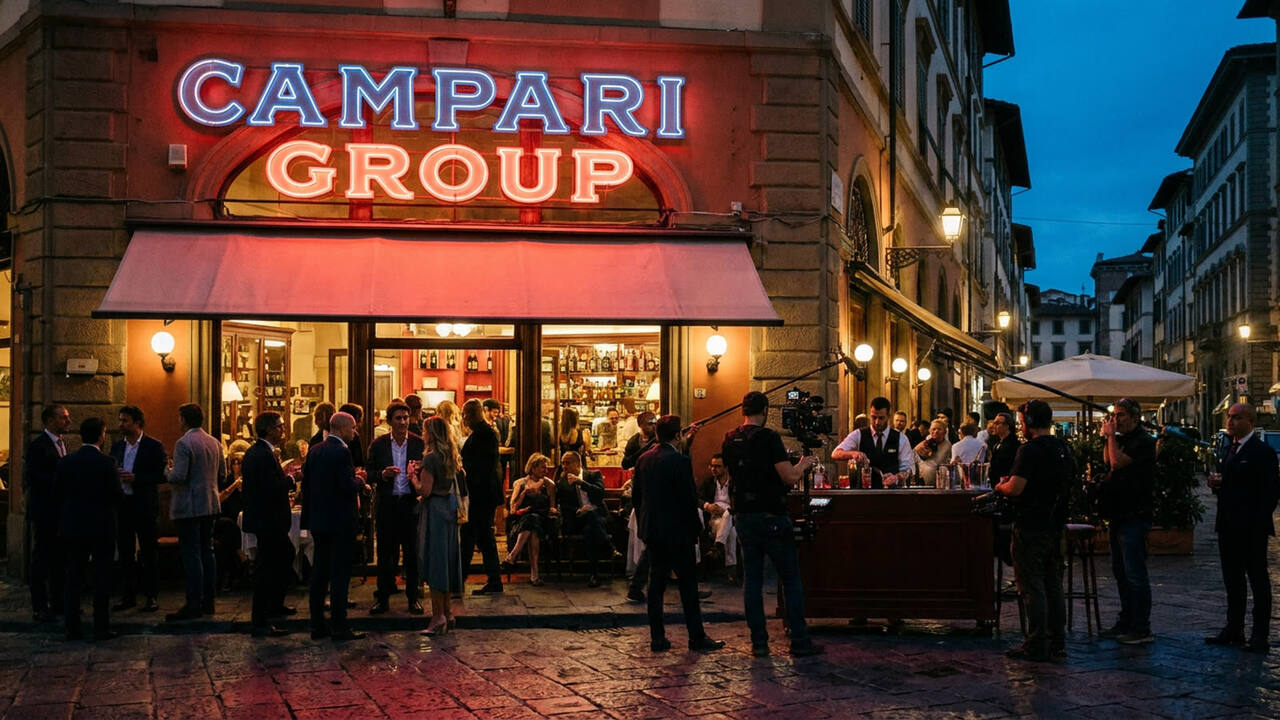
Three ingredients, equal parts, stirred and strained. The Negroni's recipe fits on a cocktail napkin with room to spare, yet this brutal economy has made it the most influential drink of the craft-cocktail revival. Where other classics require esoteric bitters or house-made orgeat, the Negroni demands only gin, Campari, and sweet vermouth—then punishes any attempt to improve upon the formula.
The drink's origin story, like most cocktail lore, blurs into myth. The standard account places its creation at Caffè Casoni in Florence, where Count Camillo Negroni allegedly asked a bartender to fortify his Americano by swapping soda water for gin. Whether the count existed precisely as legend describes matters less than what the story reveals: the Negroni was born from someone wanting a stiffer drink and getting exactly that.
Why bitter won
The Negroni's ascent tracks the broader rehabilitation of bitter flavors in Western palates. For decades, American cocktail culture drifted toward sweetness—the Cosmopolitan era, the flavored-vodka years, drinks designed to mask alcohol rather than celebrate it. The Negroni offered a corrective that felt like penance. Its bitterness announces itself immediately, almost aggressively, before the botanical gin and the herbal vermouth round the edges. You cannot drink one quickly, and you cannot pretend you are drinking something else.
This uncompromising character made the Negroni a signifier. Ordering one communicated taste, experience, a rejection of the frozen-daiquiri mainstream. Bartenders recognized it as a test of competence—the drink is simple enough that there is nowhere to hide poor technique or inferior ingredients.
The economics of simplicity
From a bar's perspective, the Negroni is nearly perfect. Its ingredients are shelf-stable and widely distributed. It requires no fresh juice, no muddling, no elaborate garnish beyond an orange peel. A competent bartender can produce one in under ninety seconds. The margins are handsome, and the drink's reputation allows establishments to charge accordingly.
This commercial logic explains the Negroni's ubiquity but not its staying power. Plenty of profitable drinks have faded from fashion. The Negroni endures because it resists the tinkering that eventually exhausts most trends. Variations exist—the Boulevardier substitutes bourbon, the Sbagliato swaps prosecco for gin—but they circle the original rather than supplant it. The template is too balanced to improve and too distinctive to dilute.
Our take
The Negroni's century-plus longevity offers a quiet lesson about durability in an age of constant reinvention. It succeeded not by adapting to every passing preference but by remaining stubbornly, almost arrogantly, itself. In a culture that rewards novelty, the drink's persistence feels like a small act of defiance—proof that some things earn their permanence by refusing to change.