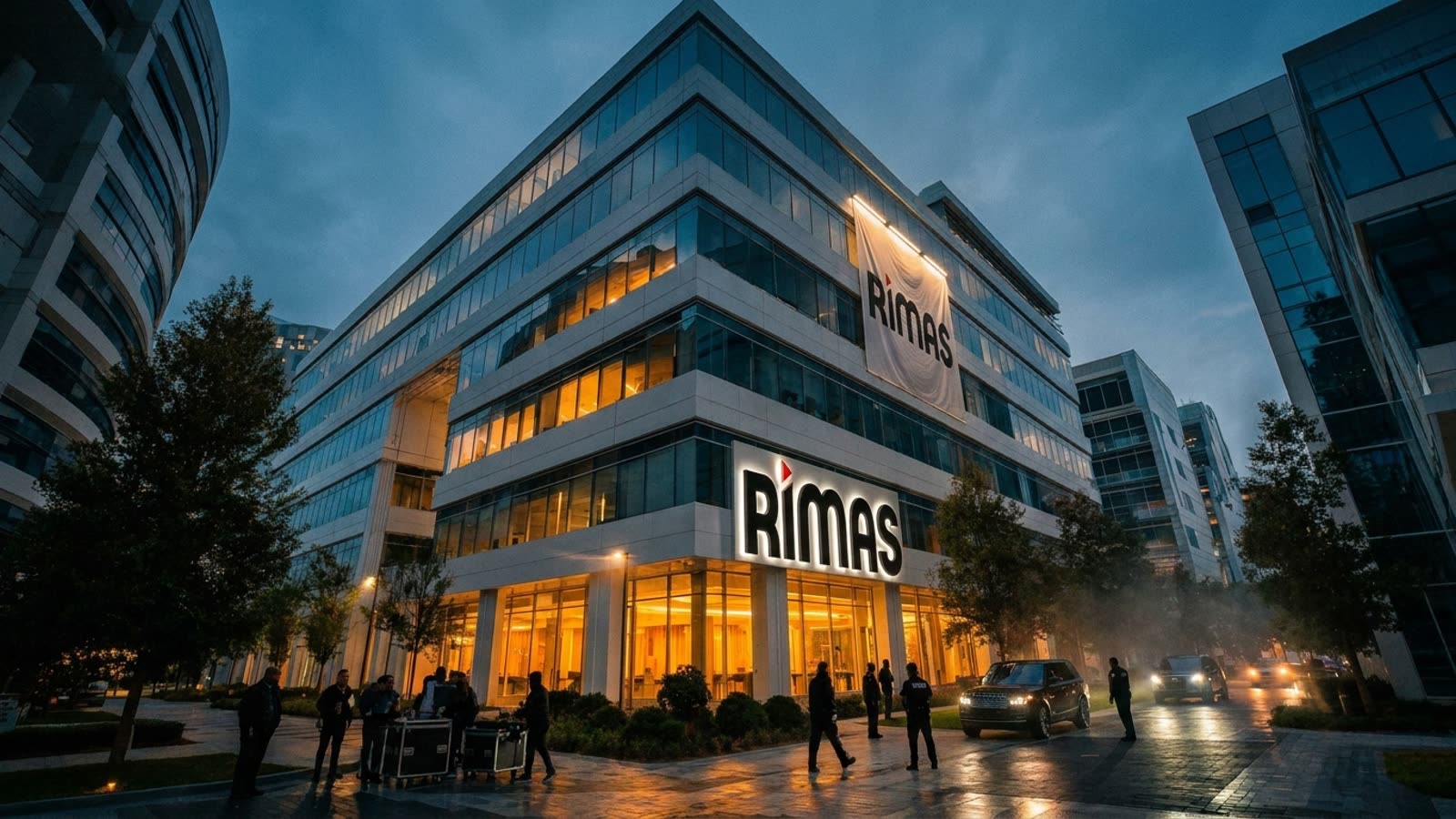
The conventional wisdom about Latin music's streaming explosion goes something like this: Bad Bunny broke through, the majors noticed, and now everyone is scrambling for the next crossover star. What this narrative misses is that Bad Bunny's own label, Rimas Entertainment, has been methodically constructing something far more ambitious than a star vehicle — it's building the infrastructure to dominate reggaetón for the next decade.
Rimas, founded in 2014 by Noah Assad, signed Bad Bunny before anyone outside San Juan knew his name. That early bet has paid off spectacularly, but the label's recent moves suggest a strategy that extends well beyond riding one artist's coattails.
The roster tells the story
Rimas now houses an absurdly deep bench of Latin urban talent: Arcángel, Mora, Eladio Carrión, Jowell & Randy, and a rotating cast of emerging Puerto Rican and Colombian acts. The label has quietly become the destination for artists who want creative control without the bureaucratic suffocation of a major. In an era when streaming has democratized distribution, Rimas offers something harder to replicate: cultural credibility and a genuine understanding of the genre's audience.
The majors, by contrast, have spent years trying to retrofit their A&R departments for a market they fundamentally misread. Universal and Sony have made splashy signings, but their track record of developing Latin talent from scratch remains spotty.
Why independence matters now
The economics have shifted in Rimas's favor. Streaming royalties, while notoriously thin per play, compound beautifully when you control a catalog of artists who dominate Spotify's global charts. Bad Bunny alone has generated billions of streams; multiply that across a roster of ten-plus consistent performers, and you have a revenue engine that rivals mid-tier major-label divisions.
More importantly, Rimas has maintained ownership stakes that would be unthinkable in traditional major deals. When the next wave of catalog acquisitions comes — and it will — Rimas will be selling, not buying.
The cultural moat
What makes Rimas genuinely difficult to replicate is its embeddedness in Puerto Rican music culture. Assad and his team aren't parachuting into reggaetón from corporate offices in New York or Los Angeles; they're products of the same scene that produced their artists. This matters for A&R, for marketing, and for the kind of trust that keeps talent from defecting to bigger checks elsewhere.
Our take
Rimas Entertainment is doing what Motown did for soul and Def Jam did for hip-hop: building a genre-defining institution from within the culture rather than above it. The majors will eventually try to acquire it — the only question is whether Assad sells, and at what price. For now, the smartest play in Latin music isn't signing the next Bad Bunny; it's watching what Rimas does next.