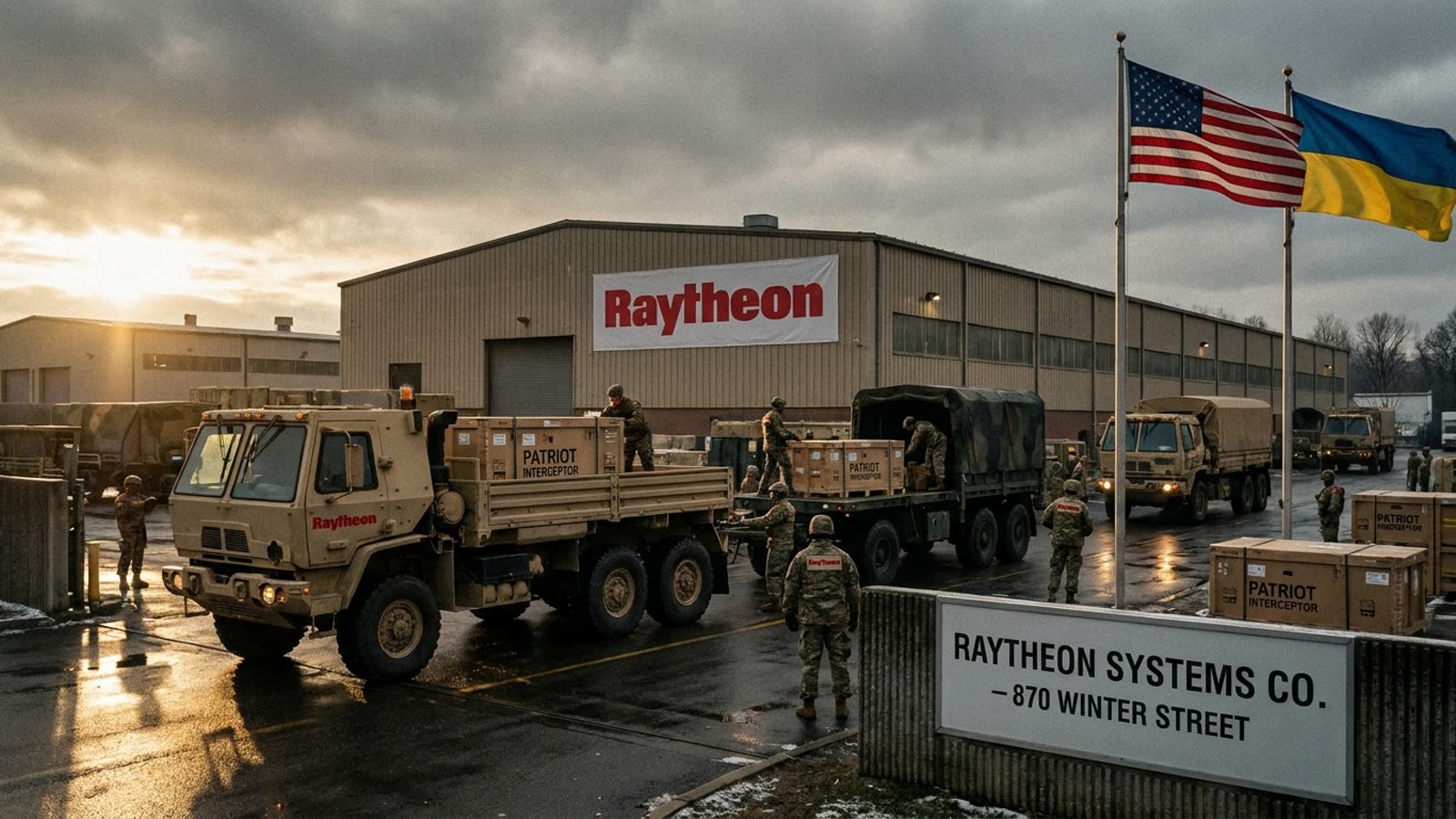
The Biden-era debate over whether to give Ukraine the means to defend itself against Russian ballistic missiles is over. The Trump administration has approved the sale of 500 Patriot interceptors—the only Western system capable of reliably downing the hypersonic and quasi-ballistic weapons Moscow has used to devastate Ukrainian infrastructure through two brutal winters.
The decision, confirmed late Friday, marks a quiet reversal for an administration that spent its first months in office suggesting Kyiv should negotiate from a position of weakness. It also arrives at a moment when Ukraine's existing Patriot batteries are running dangerously low on ammunition, with some units reportedly down to single-digit interceptor counts.
The math of air defense
Five hundred missiles sounds like a lot until you consider the arithmetic of modern air war. A single Patriot battery typically fires two interceptors per incoming target to ensure a kill. Russia has launched an estimated 800 ballistic missiles at Ukraine since the full-scale invasion began, with the tempo increasing sharply this autumn. At current rates, 500 interceptors might cover six to eight months of intensive bombardment—assuming perfect logistics and no losses to Russian strikes on air-defense positions.
The sale also does nothing to address Ukraine's shortage of launchers. Kyiv operates perhaps five Patriot batteries, cobbled together from donations by the United States, Germany, and the Netherlands. Each battery can only engage a handful of targets simultaneously. More missiles help; more batteries would transform the battlefield.
Timing is everything
The State Department announcement was notably silent on delivery schedules. Patriot missiles are not sitting in warehouses waiting to ship. Raytheon's production lines are already stretched thin supplying American allies across the Pacific and Middle East. Even with expedited contracting, the first interceptors may not reach Ukrainian soil until well into 2027—after another winter of Russian bombardment.
This is the central tension in American support for Ukraine: approvals that arrive too late to shape the conflict they are meant to influence. The pattern has repeated with HIMARS, with Abrams tanks, with ATACMS missiles. Each system was deemed too escalatory until the moment it became obviously necessary, then approved with fanfare but delivered with bureaucratic languor.
Our take
The Patriot sale is good policy announced at least twelve months too late, and possibly eighteen. Ukraine needed these interceptors before last winter's infrastructure campaign, not after it. The administration deserves credit for overcoming its initial reluctance, but the delay has cost Ukrainian lives and emboldened Russian planners who correctly calculated that Western support would always arrive one step behind the threat. If Washington wants to end this war on favorable terms, it might try getting ahead of events for once.