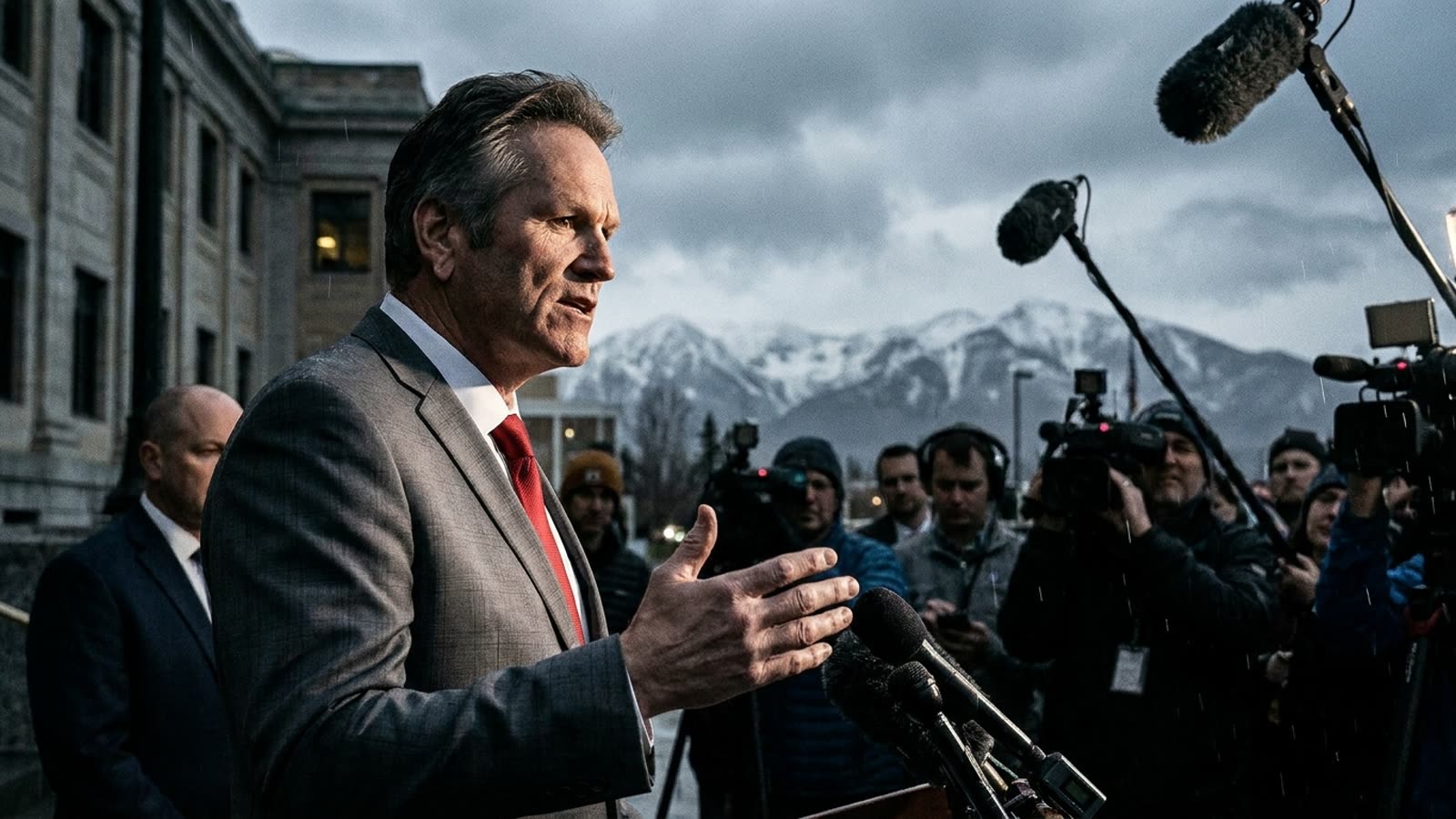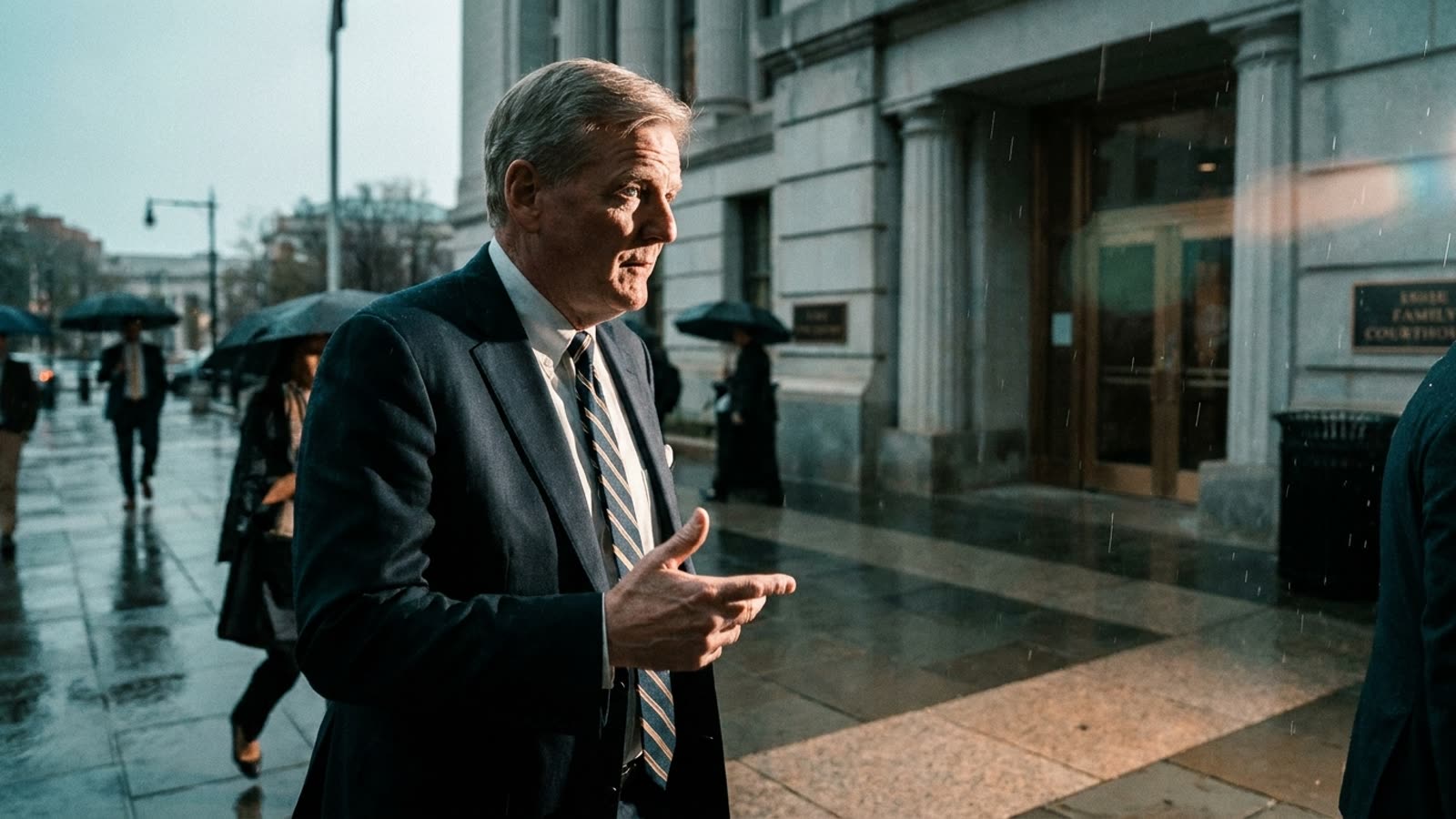
The federal sentencing of Edwin Brant Frost IV to fifteen years in prison for orchestrating a $76 million Ponzi scheme is, on its face, a straightforward white-collar crime story. Investor defrauded, money vanished, justice served. But Frost was not merely a financial predator operating in obscurity — he was a prominent Republican donor in Georgia, a state that has become one of American politics' most contested battlegrounds. His conviction raises uncomfortable questions about how thoroughly political parties vet the money that fuels their operations.
Frost's scheme followed the classic Ponzi architecture: promise extraordinary returns, use new investor capital to pay earlier investors, and siphon funds for personal expenses. Federal prosecutors detailed how he maintained the illusion of legitimacy while living lavishly on other people's retirement savings. What made Frost distinctive was not his method but his milieu — he moved comfortably among Georgia's Republican establishment, his donations buying the access and credibility that Ponzi operators require to keep the confidence game running.
The access economy
Political fundraising in America operates on a peculiar honor system. Campaigns and party committees are legally required to verify that donations come from eligible sources and do not exceed contribution limits. They are not, however, obligated to investigate whether a donor's underlying wealth is legitimate. This creates a structural vulnerability: someone running a fraud can purchase political proximity, and that proximity in turn enhances their apparent respectability to future victims.
Frost allegedly leveraged his Republican connections to reassure investors that he was a serious, credentialed operator. The implicit logic is corrosive — if this man is trusted by senators and governors, surely he can be trusted with my money. Political access becomes a form of due diligence by proxy, except no one actually performed the diligence.
Georgia's donor ecosystem under scrutiny
Georgia's transformation from reliably red to genuinely purple has intensified the scramble for campaign dollars. The state's 2020 and 2022 cycles saw record spending, and its Senate races have become national referendums. In this environment, donor cultivation is aggressive, and the pressure to accept money from anyone willing to write checks is immense. Frost's case is unlikely to be unique — it is simply the one that got caught.
The Republican Party has not commented on whether it will return or donate to charity any funds traceable to Frost. Historically, parties treat such situations as public relations problems rather than systemic failures, issuing statements of shock and moving on. But the pattern is too consistent to dismiss: from convicted felons to sanctioned oligarchs to outright fraudsters, American political parties have repeatedly accepted money from sources that minimal scrutiny would have flagged.
Our take
Fifteen years is a serious sentence, and Frost's victims deserve whatever restitution the courts can extract from the wreckage. But the political class's studied incuriosity about where donor money originates is itself a kind of institutional rot. Campaigns could demand more documentation. They could investigate donors who arrive suddenly with large sums. They choose not to, because the incentives all point toward taking the money and asking questions never. Frost is going to prison; the system that welcomed him remains fully operational.