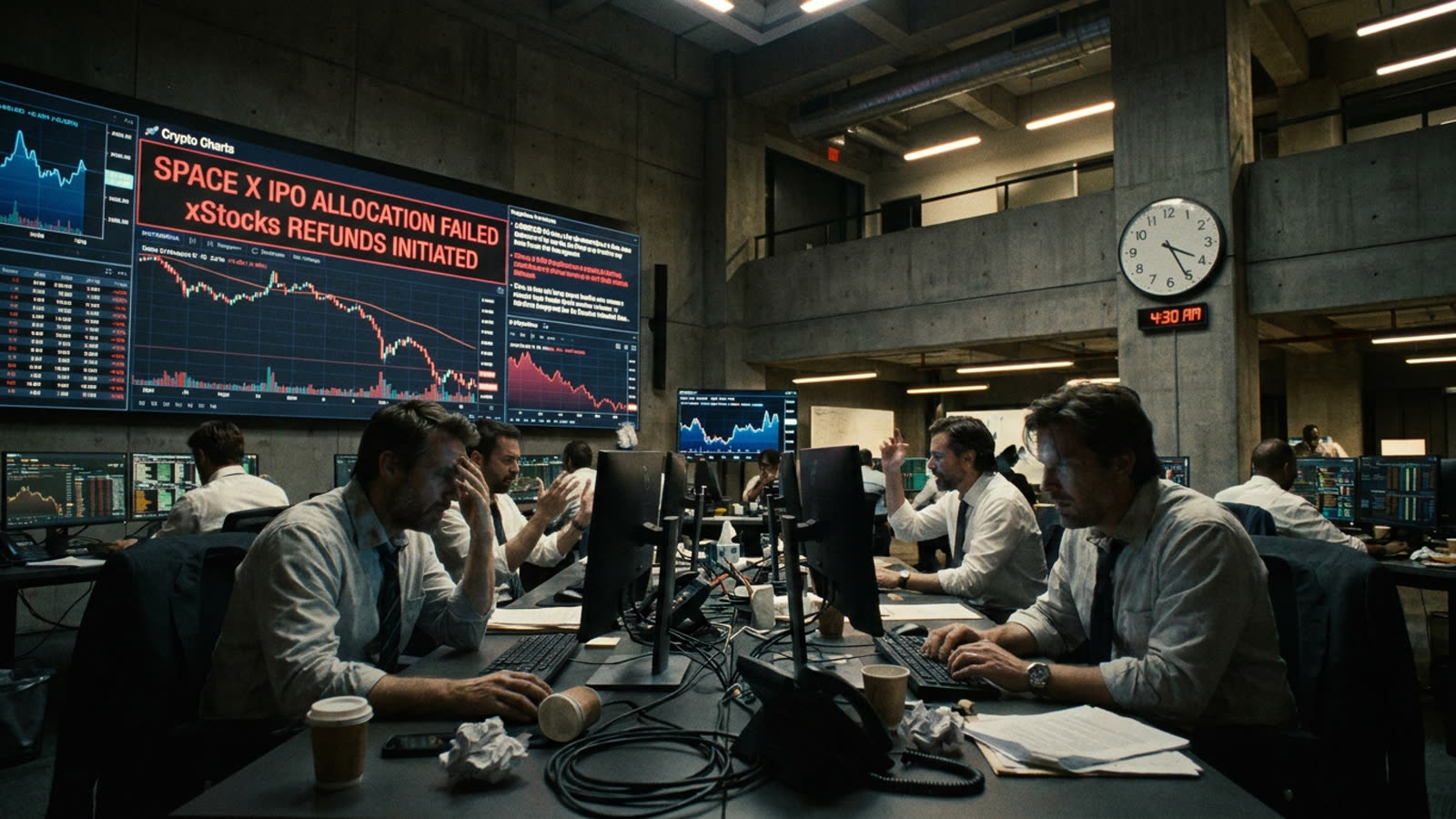
The oil market's reaction to diplomatic breakthroughs tends to be measured in pennies. Friday's reaction was measured in chaos.
West Texas Intermediate and Brent both cratered after the White House announced a framework agreement with Iran that would lift sanctions in exchange for nuclear concessions. The speed of the selloff caught even veteran traders off guard — this was not the gradual repricing of geopolitical risk but something closer to capitulation. Energy desks that had spent months positioning for escalation in the Middle East found themselves on the wrong side of history in a matter of hours.
The mechanics of a price collapse
Iran holds the world's fourth-largest proven oil reserves, and sanctions have kept roughly 1.5 million barrels per day off global markets. The prospect of that supply returning — even partially, even eventually — forced an immediate recalculation of the supply-demand balance that had kept prices elevated throughout 2026. Traders do not wait for tankers to dock; they price in expectations, and expectations just shifted dramatically.
The ripple effects extend well beyond energy trading floors. Lower oil prices feed directly into inflation calculations, potentially giving central banks more room to cut rates. They also redistribute wealth from producer nations to consumer economies, a transfer that tends to benefit American households and punish petrostates. Russia, already strained by war costs, faces the prospect of funding its military with cheaper barrels.
Winners and losers emerge fast
American shale producers, who had enjoyed a profitable run at elevated prices, now face margin compression. The breakeven economics of fracking look less attractive when Brent trades in the sixties rather than the eighties. Meanwhile, airlines, shipping companies, and anyone who burns diesel for a living just received an unexpected cost reduction.
The geopolitical implications are equally stark. Saudi Arabia, which had calibrated its output cuts to maintain price stability, must now decide whether to defend market share or revenue. The kingdom's ambitious economic diversification plans depend on oil income that just became less certain. For OPEC+, the cartel's already-fragile cohesion faces a new stress test.
Our take
Markets have spent years treating Middle East tensions as a permanent feature of the oil price. Friday's plunge is a reminder that geopolitics can subtract risk as quickly as it adds it. Whether this deal holds — whether Iranian oil actually flows freely again — remains uncertain. But the market has already voted on the probability, and the vote was decisive. The energy trade just got rewritten, and anyone still positioned for $90 oil is holding an expensive lesson in humility.