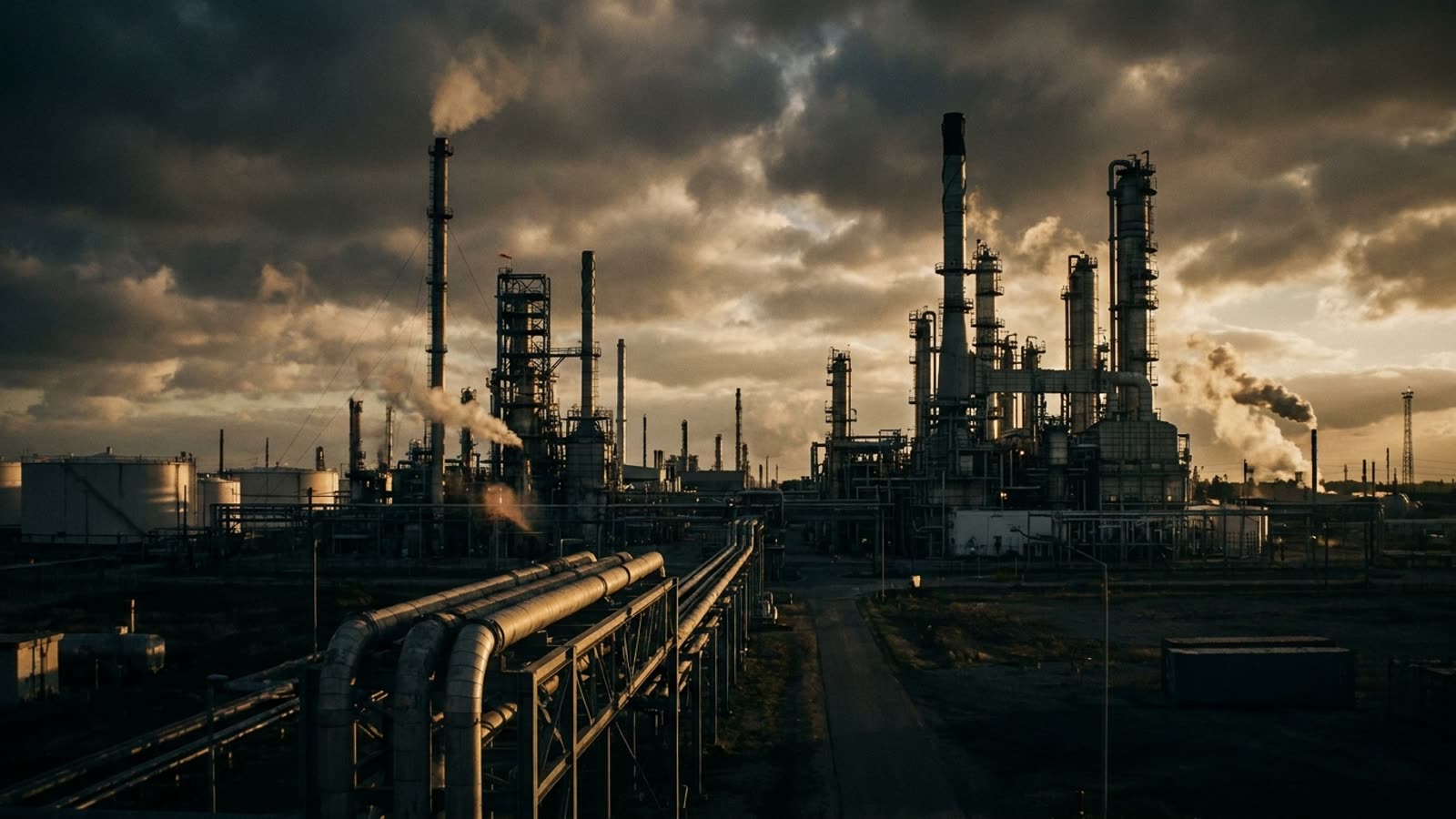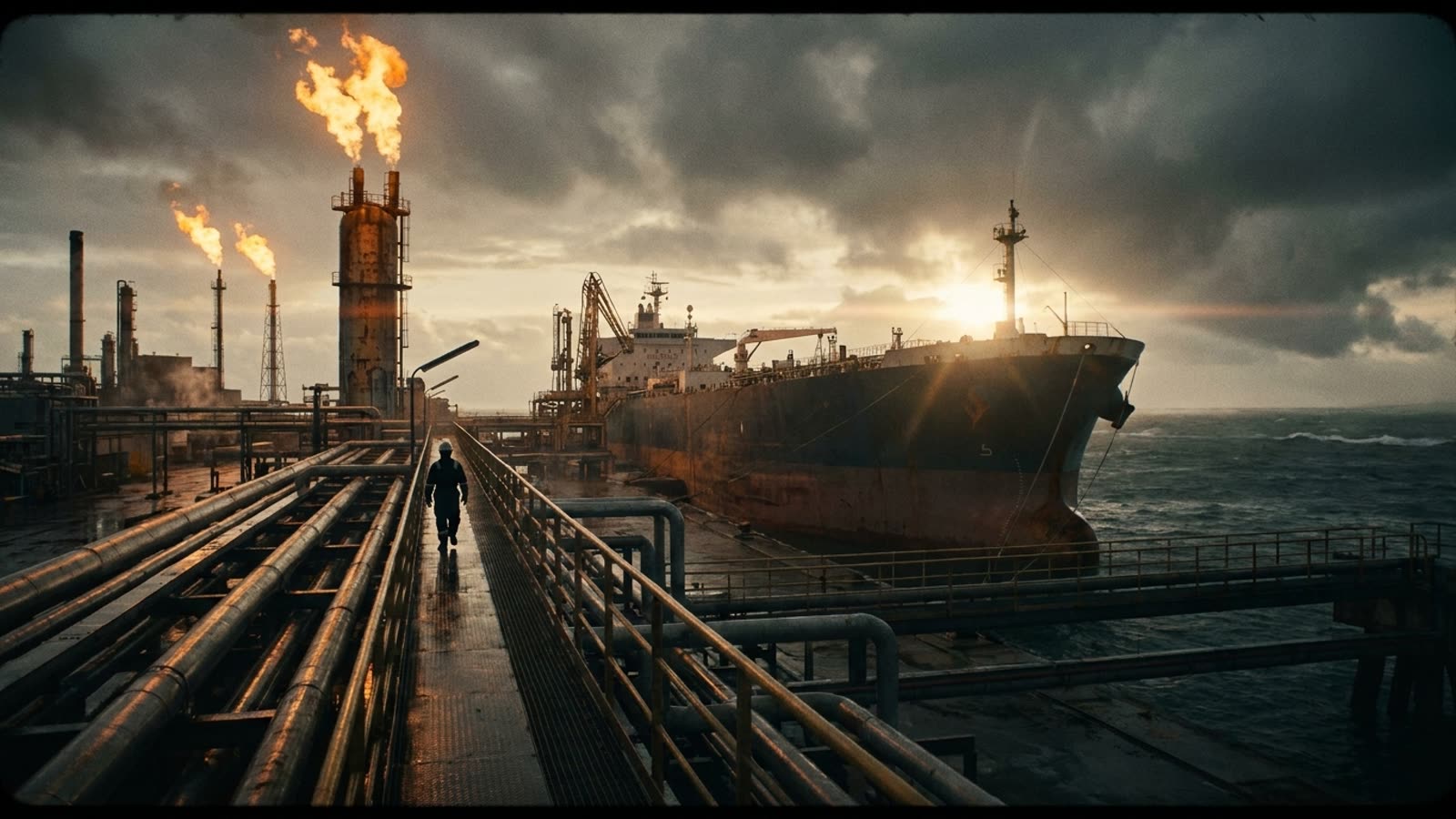
The oil market's favorite pastime is pricing in catastrophe, then immediately forgetting why it was worried. Brent crude fell nearly four percent on Tuesday as an uneasy truce between Washington and Tehran appeared to hold, erasing much of the risk premium that had accumulated over weeks of escalating rhetoric and retaliatory strikes. Traders, it seems, have decided that the absence of missiles in the air equals the presence of stability. This is optimistic at best.
The selloff reflects a market desperate for any reason to believe that global energy supplies will flow uninterrupted through the Strait of Hormuz, the chokepoint through which roughly a fifth of the world's oil passes daily. When Iranian officials signaled a willingness to pause hostilities—conditional, vague, and delivered through intermediaries—algorithms did what algorithms do: they sold.
The arithmetic of fragility
The problem with pricing in peace is that peace hasn't actually arrived. What exists is a tactical pause, not a strategic resolution. The fundamental disagreements between the United States and Iran—over nuclear enrichment, regional influence, and sanctions relief—remain exactly where they were before the latest flare-up. Neither side has offered concessions that would suggest a durable de-escalation.
Meanwhile, the physical oil market is tighter than the futures curve suggests. OPEC+ continues to hold production below capacity, global inventories have drawn down steadily through the first half of 2026, and Chinese demand, while not booming, has proven more resilient than the pessimists predicted. Remove the geopolitical discount, and crude probably should be trading higher, not lower.
What the traders are missing
Energy markets have developed a peculiar amnesia about Middle Eastern risk. The pattern is familiar: tensions spike, prices surge, diplomats murmur calming words, prices collapse, and everyone forgets that the region remains a powder keg with multiple lit fuses. This cycle has repeated so often that traders have learned to fade every escalation, confident that the worst-case scenario never quite materializes.
But the law of averages eventually catches up. The current truce depends on both sides honoring unwritten understandings that neither has formally acknowledged. One miscalculation—a drone strike that kills the wrong commander, a tanker seizure that escalates beyond intention—and the premium that evaporated Tuesday will return with interest.
Our take
The oil market is behaving as though it has learned something from this episode, when in fact it has learned nothing. Selling crude on the first hint of de-escalation is a trade, not an analysis. The structural vulnerabilities that made this crisis possible—America's maximum-pressure posture, Iran's asymmetric capabilities, the Strait's irreplaceable geography—haven't changed. Enjoy the lower prices at the pump while they last; the next headline is already being drafted.