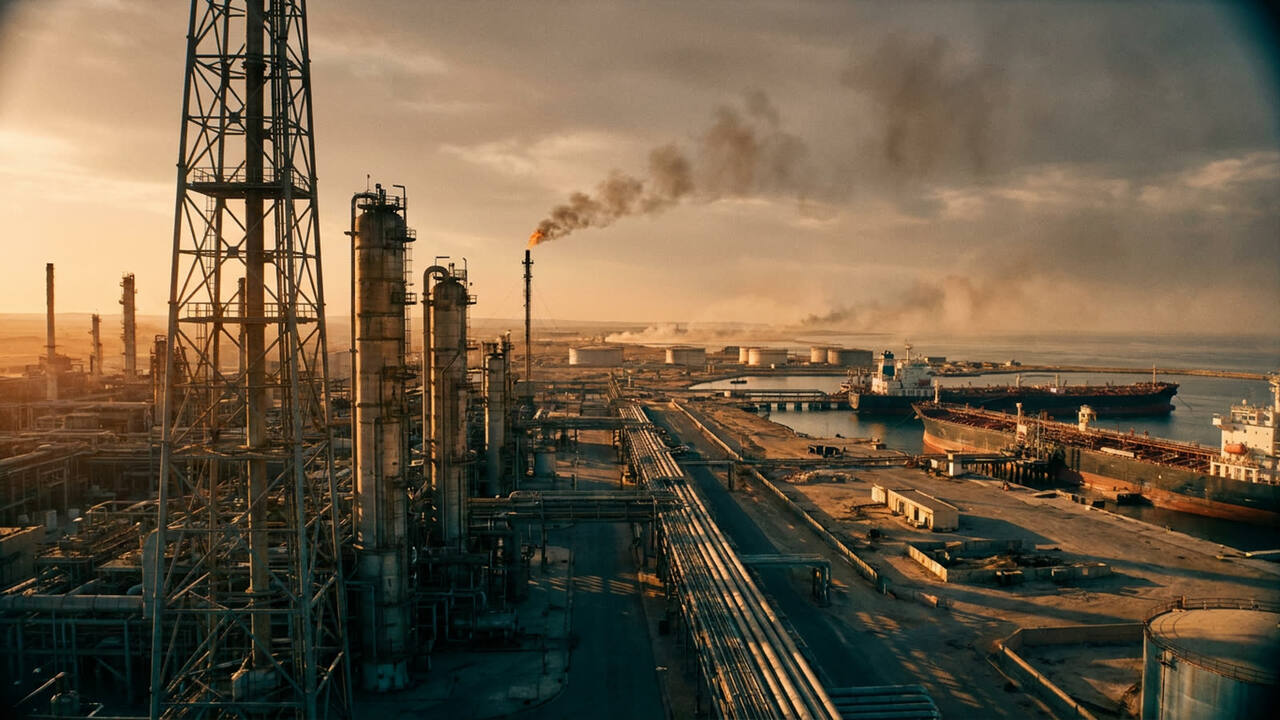
Oil prices retreated sharply on Sunday after negotiators in Geneva reported meaningful progress toward a framework that could ease tensions across several Gulf flashpoints. Brent crude fell 3.2 percent in early Asian trading, touching $78 per barrel—its lowest intraday print in five weeks—while West Texas Intermediate dipped below $74. The move unwound roughly half the risk premium that had accumulated since early May, when a brief escalation between regional powers sent traders scrambling for supply hedges that never materialized.
The pattern is familiar: geopolitical alarm inflates the oil curve, then dissipates faster than the headlines that triggered it. This time the catalyst was a joint statement from Swiss mediators suggesting that all parties had agreed to "confidence-building measures" around shipping-lane security and a temporary freeze on certain military deployments. No binding treaty emerged, but the language was conciliatory enough to convince algorithmic desks that the worst-case scenario—sustained disruption to the Strait of Hormuz—was off the table for now.
Why the relief trade worked
Three factors made the sell-off swift. First, global inventories remain ample; the International Energy Agency reported last week that OECD stocks sit 40 million barrels above the five-year average, a cushion that blunts panic buying. Second, demand growth has disappointed: China's refinery throughput in May came in flat year-over-year, and European diesel consumption continues its structural decline as electrification bites into heavy transport. Third, OPEC+ spare capacity—long the market's ultimate backstop—has quietly expanded; Saudi Arabia and the UAE together can now bring an additional 3 million barrels per day online within weeks, a deterrent to speculative hoarding.
The result is a market that no longer prices in durable risk premiums unless physical barrels actually go missing. Traders learned this lesson in 2023, when a different Gulf scare added $12 to Brent in 72 hours, only to evaporate when tanker-tracking data showed no meaningful slowdown. Sunday's move suggests the lesson stuck.
Implications beyond the barrel
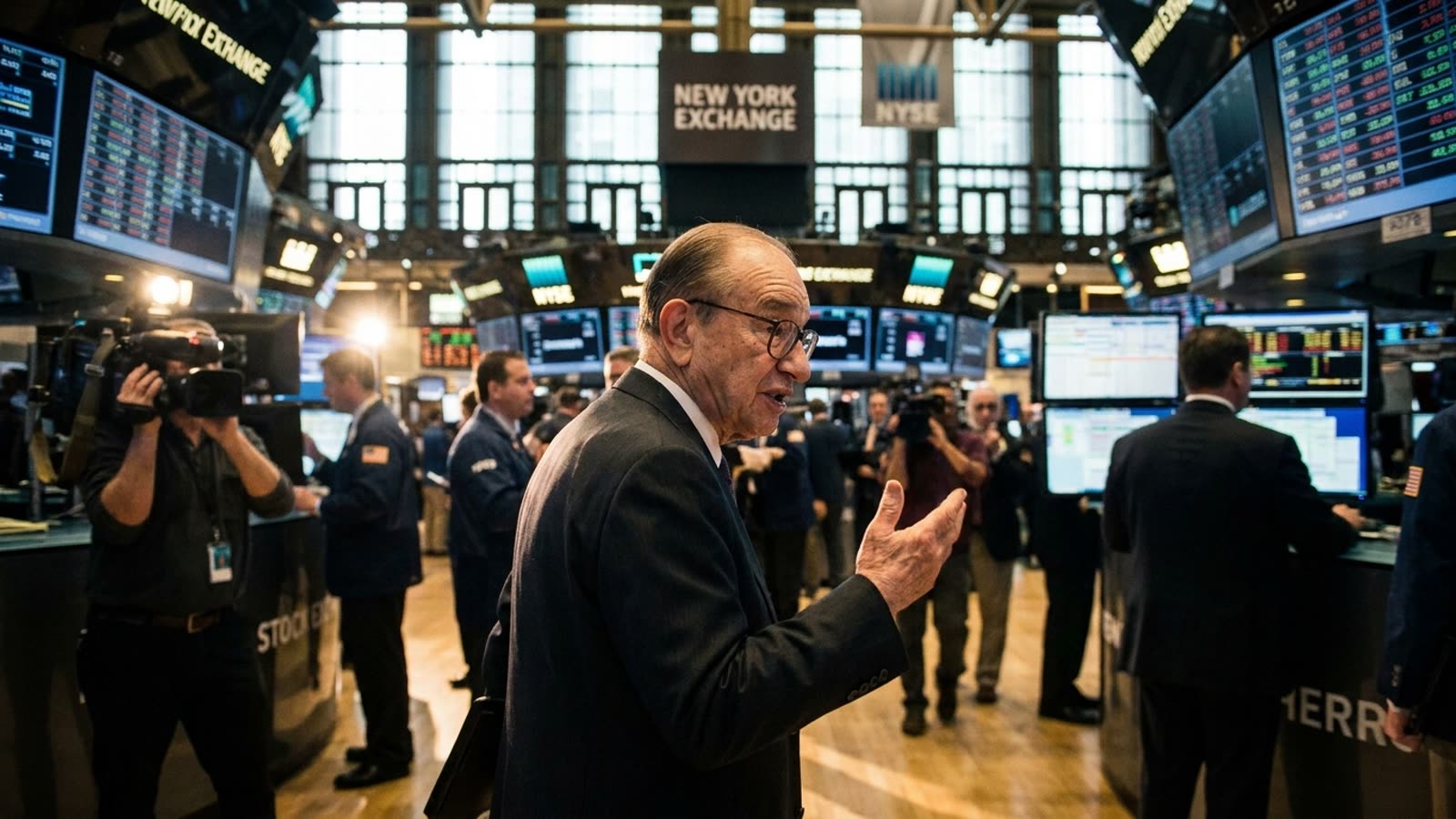
Cheaper oil is a disinflationary tailwind for central banks still wary of sticky headline numbers, and equity markets responded accordingly: S&P 500 futures climbed half a percent in sympathy, led by airlines and industrials. But the repricing also exposes how much of this year's energy narrative has been driven by fear rather than fundamentals. Strip out the geopolitical noise, and crude has been range-bound for nine months, caught between resilient non-OPEC supply and tepid global growth.
That range may hold through summer unless something breaks—either a genuine supply shock or a demand surprise from Beijing. For now, the market is betting that diplomacy, not disruption, defines the second half of 2026.
Our take
Oil's hair-trigger sensitivity to Middle East headlines is a feature, not a bug—it reflects genuine concentration risk in a region that still accounts for a third of seaborne crude. But the speed with which premiums evaporate also reveals how much spare capacity and inventory depth have reshaped the game since the 2000s. Traders price in worst cases because they must; they unwind them just as fast because the data rarely cooperates. The real story here is not that talks went well in Geneva—it is that the market no longer believes geopolitical risk alone justifies sustained triple-digit oil. That is a structural shift, and it makes every future scare a little less scary.