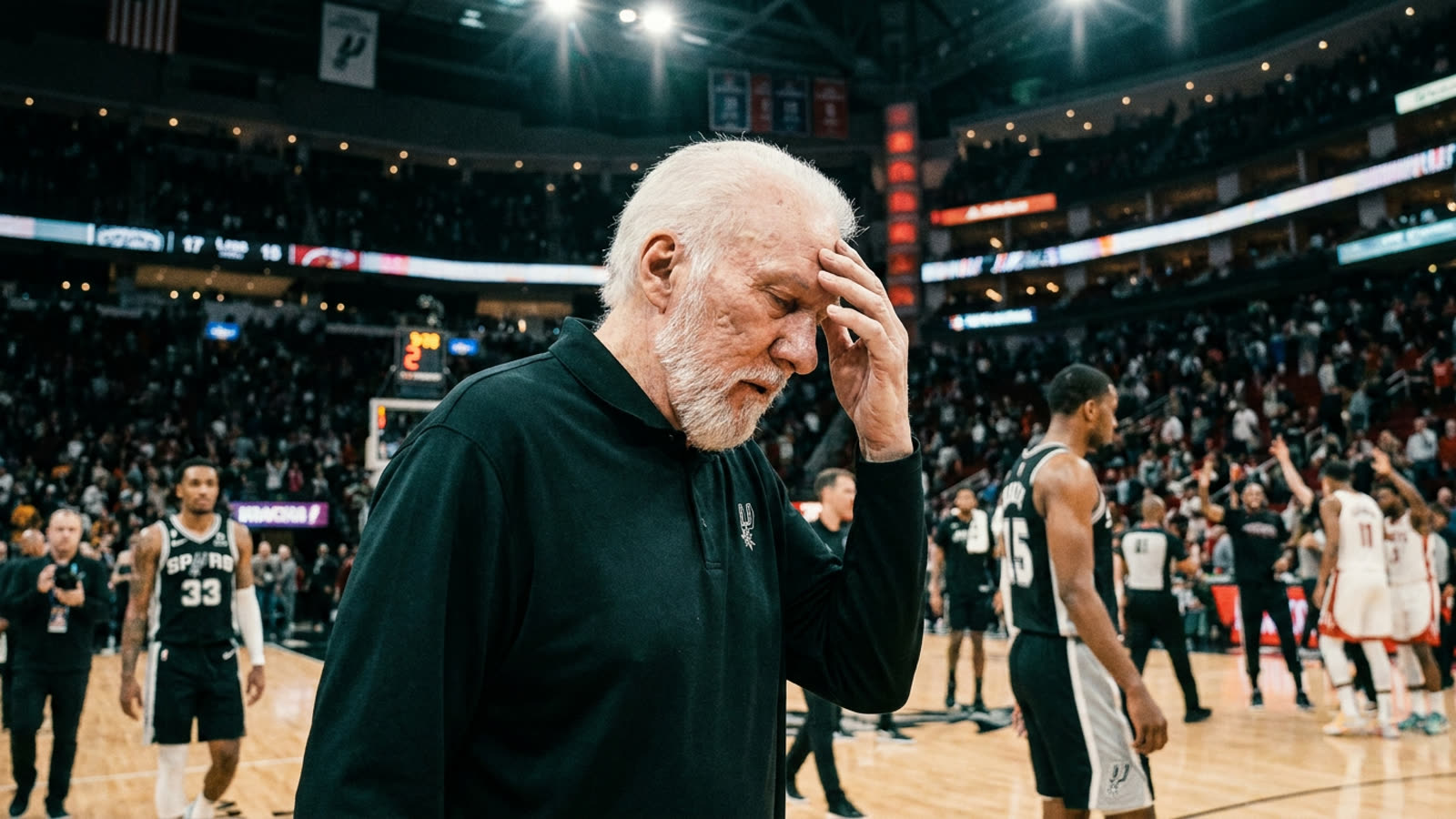
The New York Knicks' 21-point comeback against San Antonio in Game 4 was not an aberration but a confirmation. The NBA Finals, more than any other championship stage in American professional sports, has become a theater of reversals — and the pattern tells us something important about how basketball's ultimate prize is actually won.
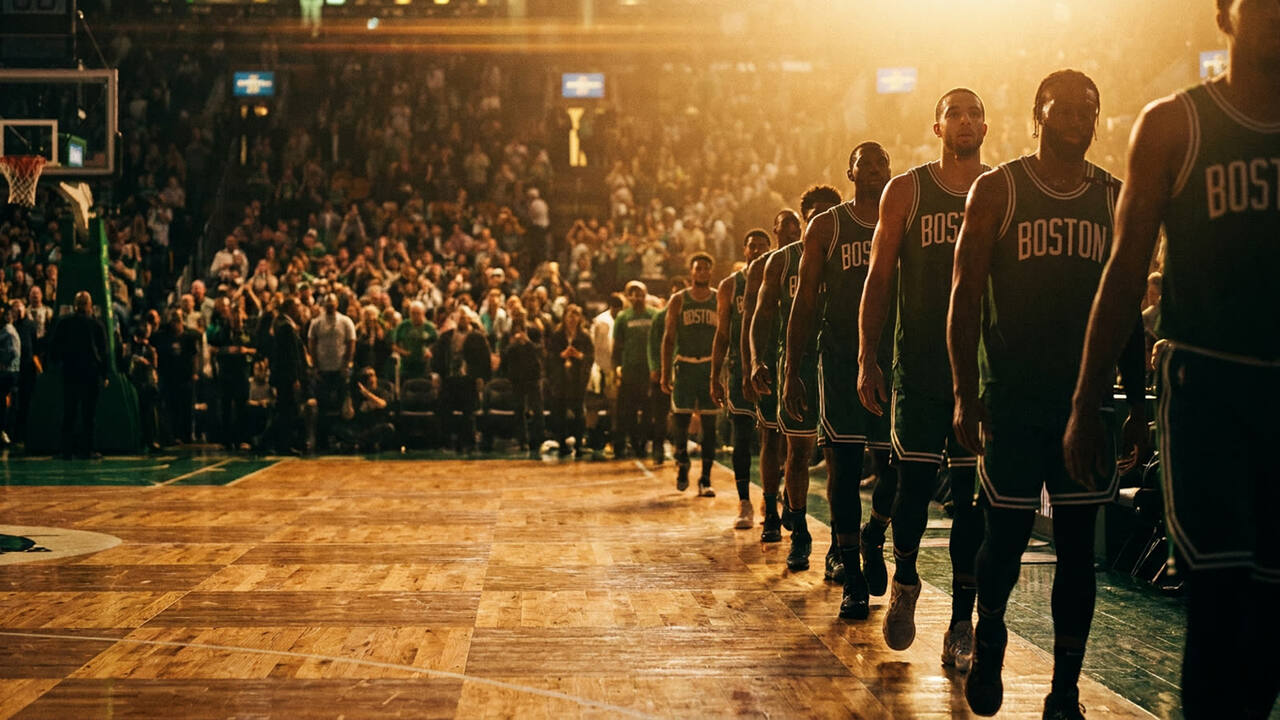
The history is striking. The 2016 Finals saw Cleveland overcome a 3-1 series deficit against a 73-win Golden State team, the only such comeback in Finals history. The 2013 Finals featured Ray Allen's corner three with 5.2 seconds left, erasing what seemed like certain San Antonio triumph. Go back further and you find the Lakers' 15-point fourth-quarter comeback against Boston in 1984, or the Celtics' own 24-point rally against the Lakers in 1969.
Why the Finals amplify volatility
The conventional explanation — that pressure causes collapses — is incomplete. Every playoff round involves pressure. What distinguishes the Finals is the extended preparation time between games, which allows trailing teams to make more substantial tactical adjustments than in earlier rounds. Coaching staffs have 48 to 72 hours to dissect film, identify vulnerabilities, and implement counters. The team that built a lead often did so by exploiting a specific advantage; the trailing team has maximum time to neutralize it.
There is also the fatigue asymmetry. By the Finals, teams have played anywhere from 14 to 20 playoff games. The team that dominated early in a game or series often spent more energy doing so, while the trailing team, playing from behind, may have unconsciously conserved effort during lost causes. When momentum shifts, that energy differential can compound rapidly.
The psychological architecture of collapse
San Antonio's Game 4 unraveling followed a recognizable pattern. Teams protecting large leads in the Finals tend to shift from attacking to protecting — a mental transition that changes shot selection, defensive intensity, and timeout usage. The Spurs' final eight minutes featured contested jumpers replacing the drives that built their advantage, and a defensive scheme that conceded space rather than contested it.
The Knicks, meanwhile, exhibited what sports psychologists call "nothing to lose" freedom — a state where the pressure of expectation has been removed and players operate with unusual aggression. Jalen Brunson's fourth-quarter shot selection would have been reckless in a close game; down 21, it was simply available.
Our take
The Finals comeback phenomenon suggests the NBA's championship is not merely a test of which team is better, but which team can sustain execution under the specific psychological conditions of elimination-stage basketball. San Antonio remains the more talented roster on paper. But paper does not account for the peculiar alchemy of the Finals, where the team that learns to embrace chaos often outlasts the team trying to control it. The Spurs have two games to prove they understand this. Their recent history suggests they might not.