The San Antonio Spurs walked off the court Wednesday night having done something no team in NBA Finals history had ever managed: they lost a game they led by 21 points with under eight minutes remaining. The New York Knicks' improbable rally wasn't just a comeback; it was a complete inversion of competitive reality, the basketball equivalent of watching water flow uphill. And now, with the series tied 2-2, the Spurs face a task arguably harder than winning three more games: they must pretend none of it happened.
The mathematics of the collapse are almost incomprehensible. San Antonio's offense, which had hummed along at historic efficiency for three quarters, scored just four points in the final seven minutes and 43 seconds. Victor Wembanyama, the transcendent 22-year-old who had dominated the first three games of the series, missed his final six shots and committed three turnovers in that span. The Spurs' veteran core—players who were supposed to steady the ship—watched helplessly as the Knicks' pressure defense transformed routine possessions into existential crises.
The weight of history
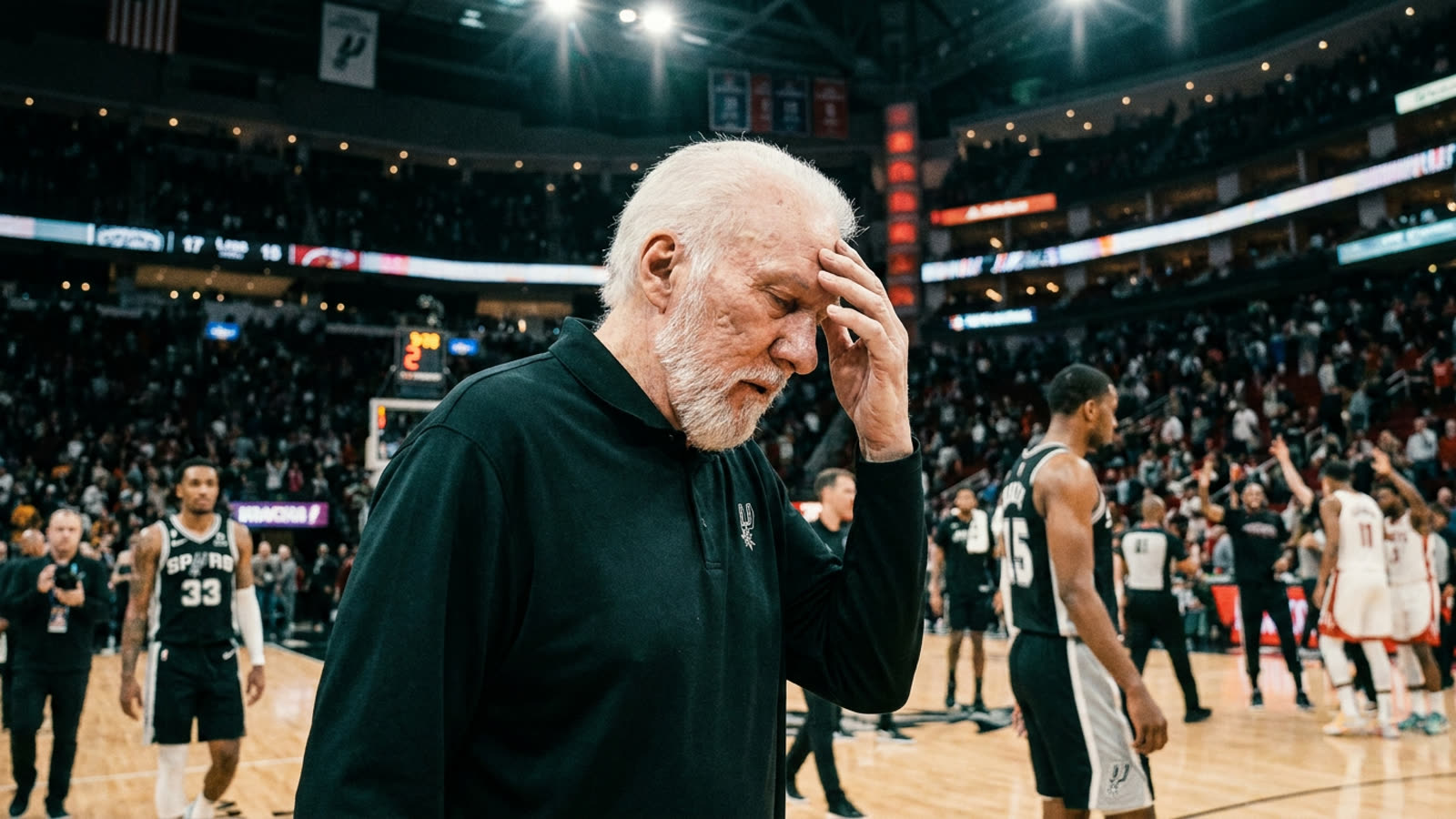
What makes Wednesday's loss so psychologically treacherous is its novelty. Teams have blown large leads in playoff games before, but never in the Finals, never with a championship so clearly within reach. The Spurs have no template for recovery because no team has ever faced this specific trauma. When reporters asked head coach Gregg Popovich how his team would respond, the typically loquacious 77-year-old offered just seven words: "We'll find out Friday, won't we?"
The Knicks, meanwhile, have stumbled into perhaps the most valuable commodity in professional sports: the knowledge that their opponent can break. New York's players spoke after the game not about their own heroics but about San Antonio's visible panic. "You could see it in their eyes," guard Jalen Brunson said. "They didn't know what was happening." That observation will echo in Wembanyama's mind for the next 48 hours whether he wants it to or not.
Wembanyama's burden
The cruelest aspect of the collapse is that it landed squarely on the shoulders of a player who, until Wednesday, had been conducting a master class in playoff dominance. Wembanyama's first three Finals games suggested a generational talent ready to claim his throne. Game 4's final minutes suggested something else: a 22-year-old who, for all his preternatural gifts, has never experienced this particular form of competitive devastation.
Popovich has navigated similar moments before—the 2013 Finals loss to Miami, when the Spurs were seconds from a championship before Ray Allen's corner three sent the series spiraling—but those teams had Tim Duncan, a player whose psychological steadiness bordered on the inhuman. Wembanyama is brilliant, but he is young, and youth means the scar tissue that protects veterans from moments like these hasn't yet formed.
Our take
The Spurs will almost certainly lose this series. Not because they lack talent—they may have the most talented player on the floor—but because what happened Wednesday doesn't wash off. Championship teams are built on the conviction that they will not break, and that conviction, once shattered, rarely reassembles in time. Wembanyama will win titles eventually; his gifts are too immense for any other outcome. But this June belongs to the Knicks, who now carry the most dangerous weapon in basketball: the memory of watching their opponent's will dissolve in real time.