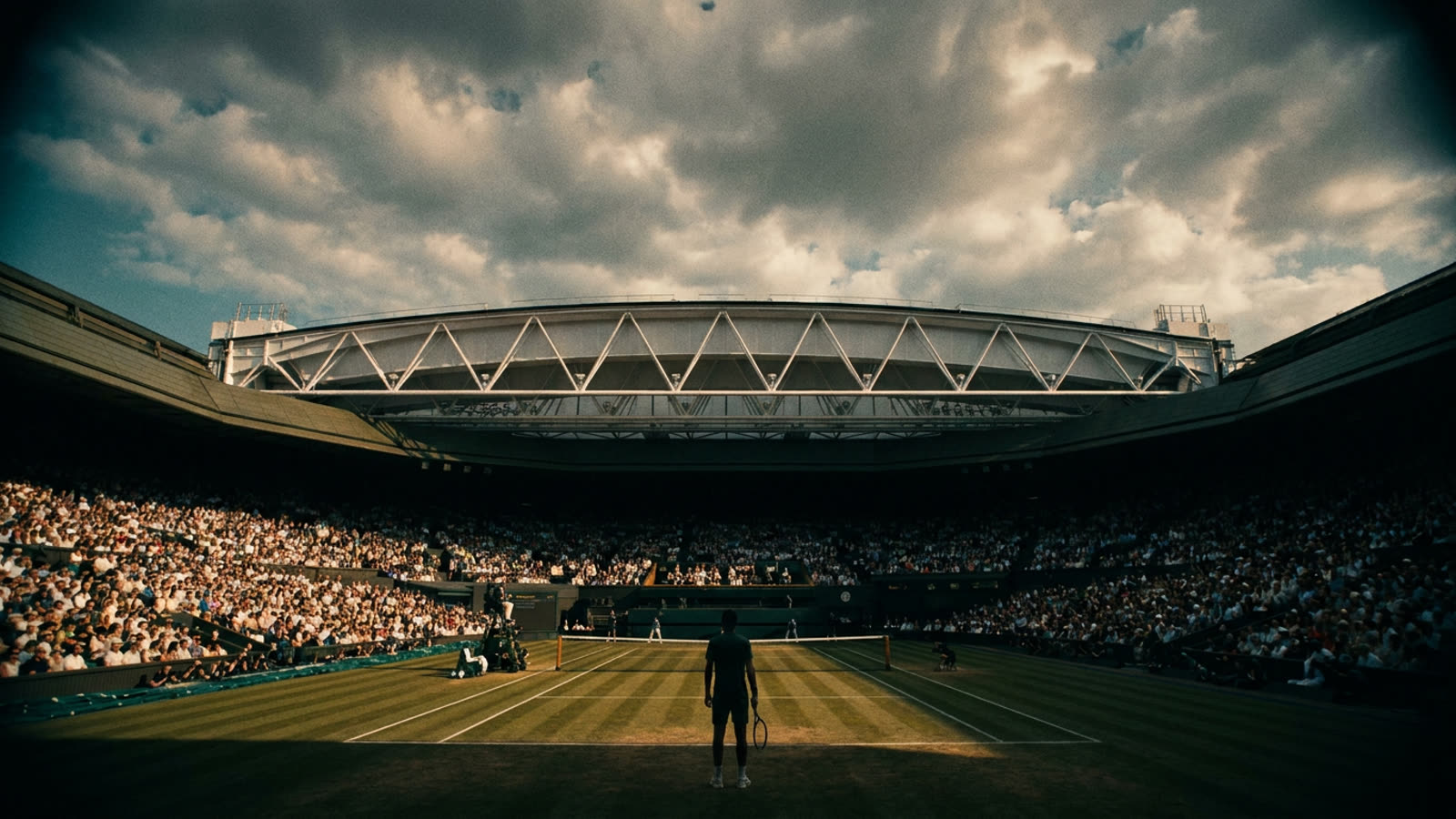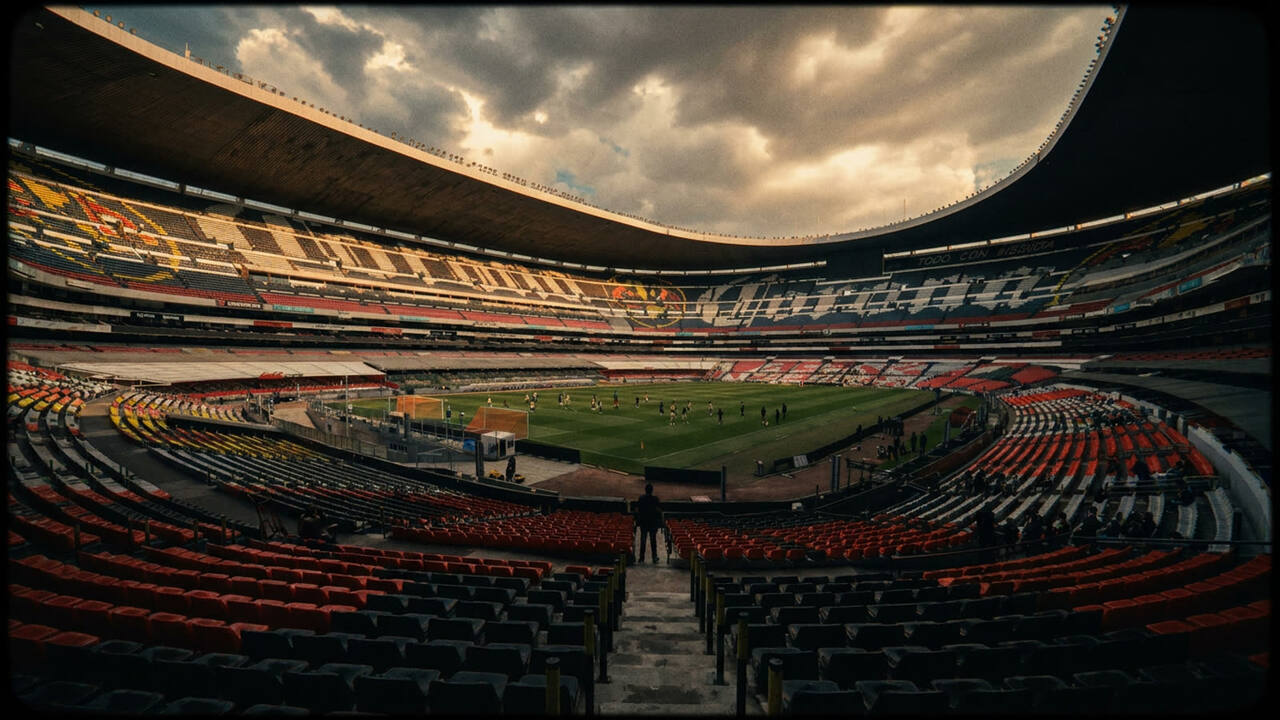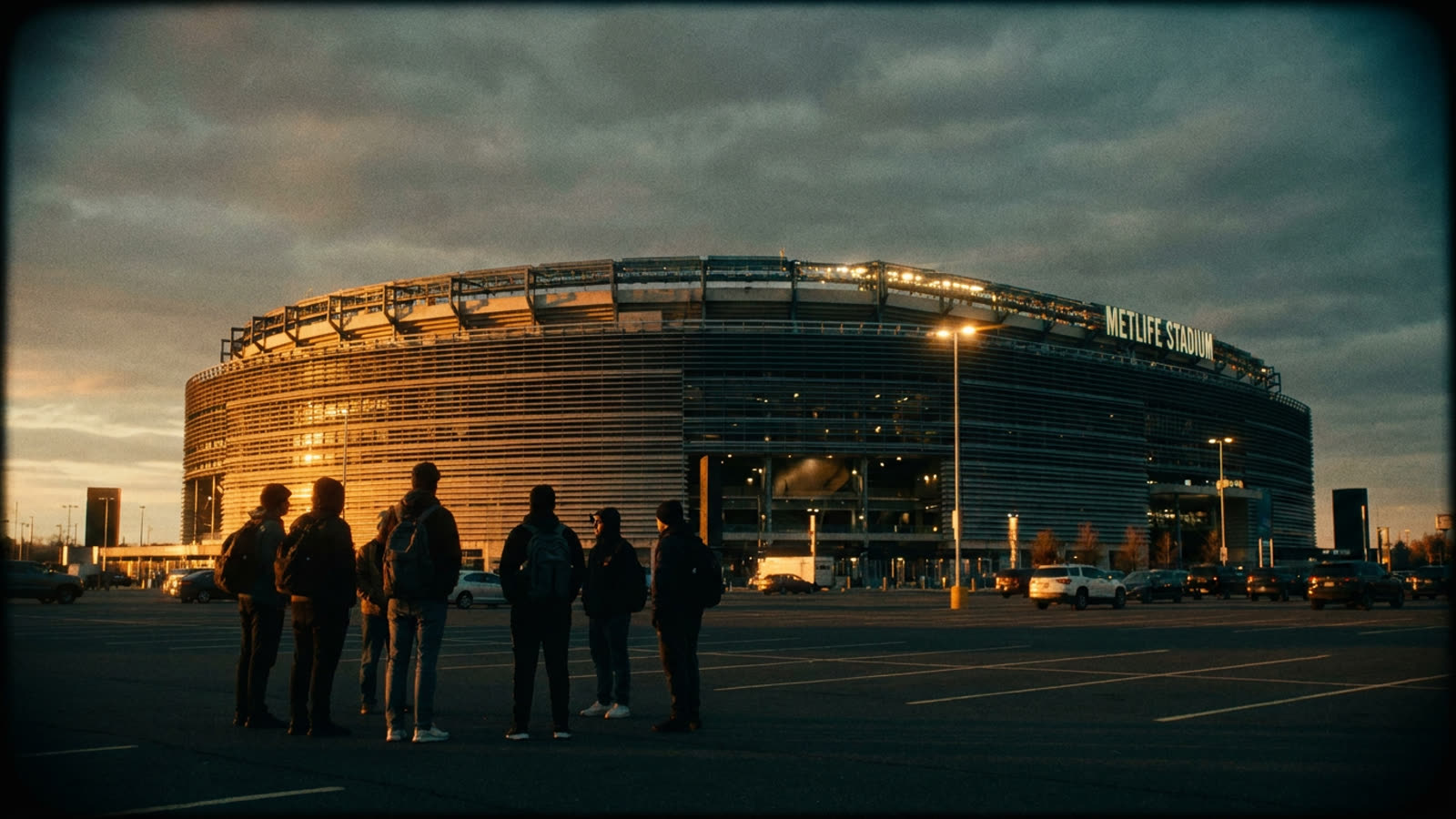
The waiting is over. After a decade of planning, three years of qualification drama, and endless debate about whether 48 teams is too many, the 2026 FIFA World Cup kicked off today with its opening match in Mexico City. The question now shifts from whether this tournament should exist in its current form to whether it can actually work.
The answer will unfold over the next seven weeks across sixteen cities in three countries, a logistical undertaking without precedent in football history. For all the hand-wringing about diluted quality and travel nightmares, the simple fact remains: the world's most-watched sporting event is underway, and roughly four billion people will tune in before it ends.
The scale problem becomes a feature
Critics of the expanded format have spent years warning that more teams means more mismatches, more forgettable group-stage encounters, more filler before the tournament finds its rhythm. They are probably right. The 2026 World Cup will almost certainly produce some dire football in its early rounds — Saudi Arabia versus New Zealand is not appointment viewing for neutral fans.
But FIFA's gamble is that scale itself generates momentum. With 104 matches across the tournament (up from 64 in Qatar), there is simply more football to consume, more storylines to track, more opportunities for the kind of shock results that define World Cup lore. Greece 2004 and Denmark 1992 were not supposed to happen either.
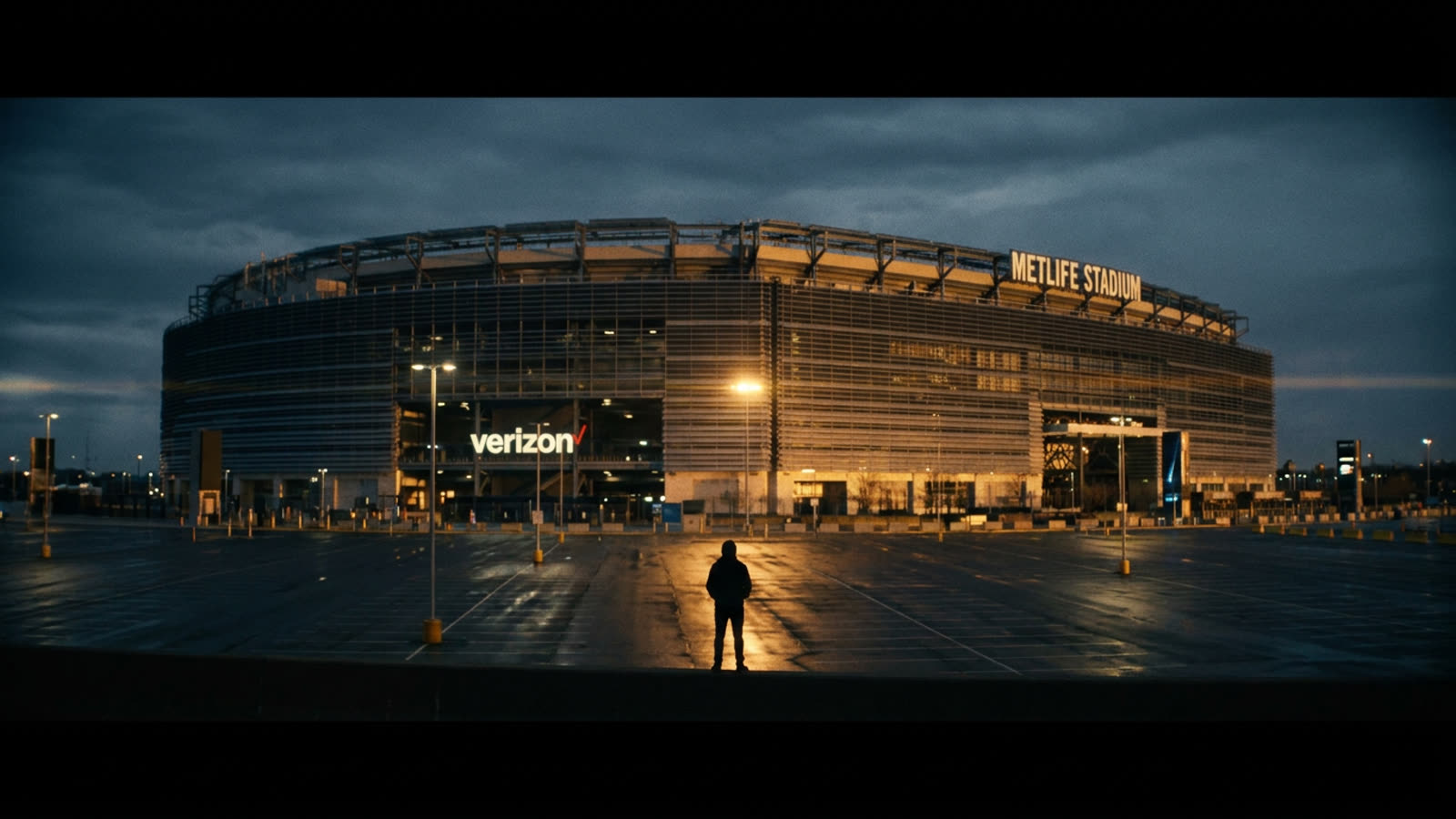
The tri-nation format, dismissed by purists as a logistical compromise, may prove to be the tournament's secret weapon. Time zones that span from Mexico City to Toronto mean prime-time kickoffs across Europe, Asia, and the Americas simultaneously — a scheduling gift that Qatar's awkward winter timing could never deliver.
What to watch in week one
The group stage will sort itself quickly. Spain and France enter as the consensus favorites, with Argentina's aging golden generation making one last run and England carrying the usual burden of expectation. The United States, as co-hosts, face the peculiar pressure of needing to perform on home soil while managing expectations for a program that has never reached a World Cup semifinal.
The real drama lies in the margins. Can Japan build on their Qatar momentum? Will an African nation finally break through to the final four? Is there a genuine dark horse lurking in the expanded field, or will the additional sixteen teams simply pad the early rounds before the usual suspects take over?
Our take
The 2026 World Cup arrives freighted with skepticism, some of it earned. The expansion was always about money and politics as much as football development. But tournaments have a way of writing their own narratives once the ball starts rolling. The best World Cups are remembered for moments, not formats — Maradona's hand, Zidane's headbutt, Götze's volley. If this tournament produces its own indelible images, no one will remember that they once complained about the bracket size. The matches have arrived. Everything else is noise.